

Best Coffee Beans for Drip: 8 Top Picks for 2026
Table of Contents
- How We Selected the Best Coffee Beans for Drip
- Quick Comparison: Best Drip Coffee Beans at a Glance
- Understanding Roast Levels, Arabica vs. Robusta, and Flavor Profiles
-
The 8 Best Coffee Beans for Drip Coffee Reviewed
- 1. USM Coffee: Roasted to Order for Maximum Freshness
- 2. Stumptown Holler Mountain: Certified Organic Everyday Drinker
- 3. Counter Culture Big Trouble: Sweet, Approachable, Consistent
- 4. Intelligentsia Black Cat Classic: Sweetness That Translates to Drip
- 5. Lavazza Super Crema: Italian-Style Blend for Smooth Body
- 6. Peet's Major Dickason's Blend: Full-Bodied Dark Roast Option
- 7. Death Wish Coffee Dark Roast: High-Caffeine, Organic Pick
- 8. Kicking Horse Kick Ass: Bold, Organic, Fair Trade Dark Roast
- Whole Bean vs. Pre-Ground: Which Is Better for Drip Brewing
- Coffee Grind Size for Drip Coffee: Getting It Right Every Time
- Best Water to Coffee Ratio for Drip Machines
- How to Store Coffee Beans for Freshness After Opening
Last Updated: August 3, 2026
Choosing the best coffee beans for drip brewing requires understanding more than roast level and origin. USM Coffee has spent considerable time sourcing and roasting beans specifically for drip machines, accounting for variables that determine what ends up in your cup: grind consistency, water quality, bean freshness, and how well a bean's density and acidity translate through a drip filter.
Quick Picks:
- Best Overall / Freshest Beans: USM Coffee - roasted to order, sourced from trusted farms worldwide
- Best Certified Organic Everyday Drinker: Stumptown Holler Mountain
- Best Sweet, Approachable Medium Roast: Counter Culture Big Trouble
- Best Direct Trade Blend: Intelligentsia Black Cat Classic
- Best Italian-Style Smooth Body: Lavazza Super Crema
- Best Full-Bodied Dark Roast: Peet's Major Dickason's Blend
- Best High-Caffeine Organic Pick: Death Wish Coffee Dark Roast
- Best Bold Fair Trade Dark Roast: Kicking Horse Kick Ass
How We Selected the Best Coffee Beans for Drip
Freshness, roast level, origin transparency, and drip-specific performance drove every selection. Drip brewing is less forgiving than espresso: the filter strips oils that would mask extraction flaws, so a bean's inherent flavor profile has nowhere to hide.
The selection criteria:
- Roast date transparency: Beans should ship within days of roasting
- Grind compatibility: Bean density and roast level should suit medium-coarse drip grind sizes
- Flavor clarity: Tasting notes should survive the paper filter without going flat or bitter
- Sourcing standards: Organic, Fair Trade, or Direct Trade certifications where available
- Drip machine performance: Tested across standard drip machines
According to Specialty Coffee Association brewing standards, the recommended brew ratio for drip coffee is approximately 1:15 to 1:17 coffee to water by weight, and bean quality is the single largest variable affecting whether that ratio produces a balanced cup.
Quick Comparison: Best Drip Coffee Beans at a Glance
| Coffee | Roast Level | Key Flavor Notes | Certifications | Best For |
|---|---|---|---|---|
| USM Coffee | Multiple options | Varies by origin | Sourced from trusted farms | Freshness-first drip brewing |
| Stumptown Holler Mountain | Medium | Caramel, stewed berries, lemon | Certified Organic | Everyday balanced drinker |
| Counter Culture Big Trouble | Medium | Caramel, nuts, chocolate | Sustainably sourced | Sweet, consistent daily cup |
| Intelligentsia Black Cat | Medium-Dark | Syrupy sweet, balanced | Direct Trade | Rich, versatile brewing |
| Lavazza Super Crema | Medium | Hazelnut, brown sugar | None listed | Smooth Italian-style body |
| Peet's Major Dickason's | Dark | Rich, complex, full-bodied | None listed | Bold dark roast lovers |
| Death Wish Dark Roast | Dark | Cherry, chocolate | USDA Organic, Fair Trade | Max caffeine, bold flavor |
| Kicking Horse Kick Ass | Dark | Chocolate, licorice, earthy | Certified Organic, Fair Trade | Ethical dark roast pick |
Understanding Roast Levels, Arabica vs. Robusta, and Flavor Profiles
Roast level is the single most misunderstood variable when choosing drip coffee beans. Most people treat it as a simple intensity dial: light equals mild, dark equals strong. This mental model leads to consistently disappointing cups.
Why Medium Roast Is the Default Choice for Drip Machines
Medium roast is the best starting point for drip brewing because it preserves the bean's natural acidity and sweetness while developing enough body to hold up through a paper filter. Light roasts often taste thin or sour in standard drip machines because most home brewers don't heat water to the 200-205°F range that light roasts need for proper extraction. Dark roasts can turn bitter quickly if the grind is too fine or the brew time runs long.
The sweet spot is a medium roast with a roast date within the past two to four weeks. Degassing peaks in the first 48-72 hours and tapers off over the following weeks. Beans that have fully degassed but haven't oxidized yet, roughly one to three weeks post-roast, produce the cleanest extraction in a drip machine.
Arabica vs. Robusta: What the Difference Means in Your Cup
Arabica is the species used in virtually all specialty coffee. It has lower caffeine, higher natural sugars, and a flavor profile ranging from bright citrus acidity to deep chocolate and caramel sweetness depending on origin and roast. Robusta contains roughly twice the caffeine, produces a harsher, more bitter cup, and contributes heavier mouthfeel.
For drip coffee, Arabica-dominant blends perform better in most cases. Pure Robusta in a drip machine tends to taste rubbery and flat unless heavily roasted and blended carefully. Single origin Arabica beans show the most flavor variation by region: Ethiopian naturals bring fruit-forward sweetness, Colombian beans deliver classic caramel and mild citrus, and Sumatran beans produce a heavy, earthy body with low acidity.
The 8 Best Coffee Beans for Drip Coffee Reviewed
Here are the eight best coffee beans for drip, evaluated on freshness, flavor performance, and drip-specific brewing characteristics.
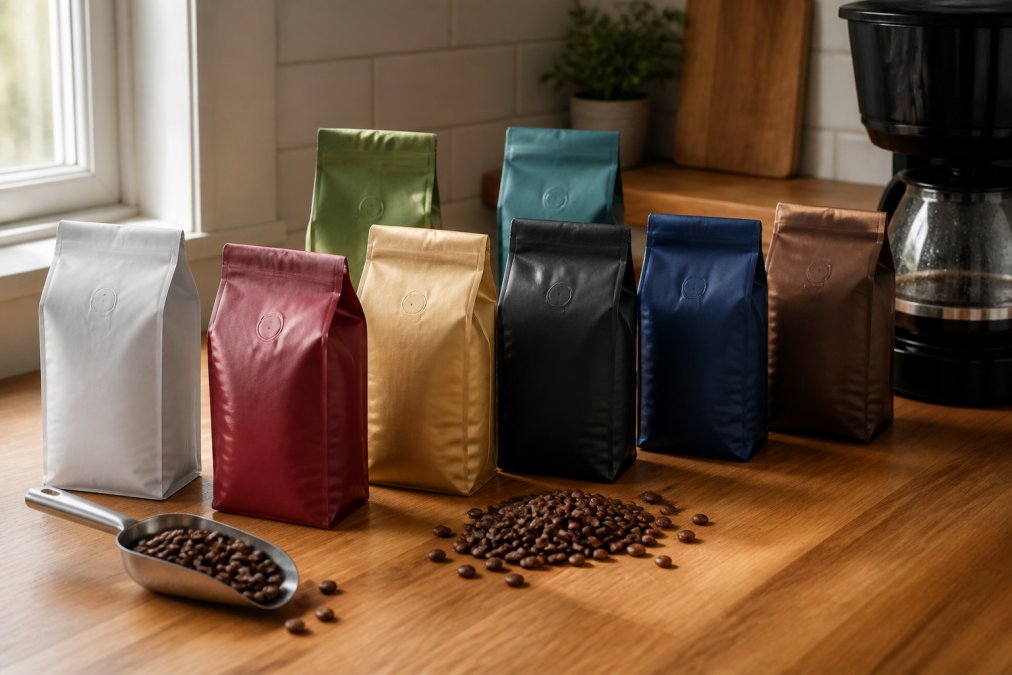
1. USM Coffee: Roasted to Order for Maximum Freshness
USM Coffee is the top pick because it roasts every batch after the order is placed. Most retail coffee sits in a warehouse or on a store shelf for weeks or months before reaching your grinder. USM Coffee's roasted-to-order fulfillment means the beans arriving at your door are at peak degassing stage.
The sourcing model matters too. USM Coffee sources from trusted farms worldwide, reflecting intentional selection rather than commodity purchasing. For drip brewing, this freshness advantage is most noticeable in the aroma and brightness of the first few sips.
Pros:
- Roasted to order, maximum freshness at delivery
- Carefully sourced beans from trusted farms worldwide
- Range from bold dark roasts to smooth blends
What to know: Allow three to seven days post-roast for the best drip results. Brewing within 24 hours of roasting produces a gassy, under-extracted cup.
Visit usmcoffee.com for current pricing and available origins.
2. Stumptown Holler Mountain: Certified Organic Everyday Drinker
Stumptown's Holler Mountain is a reliable medium roast with organic certification. The flavor profile, caramel, stewed berries, and lemon brightness, holds up well through a paper filter without going flat. Organic farming practices generally produce beans with cleaner, more distinct flavor characteristics.
Pros: Consistent flavor, certified organic, works for both drip and iced coffee Cons: Less distinctive than single-origin options
3. Counter Culture Big Trouble: Sweet, Approachable, Consistent
Counter Culture's Big Trouble is the most approachable bean on this list, with caramel, nuts, and chocolate notes that translate cleanly through drip brewing. At $16.29 for 12oz, it's widely available through multiple retailers.
Pros: Reliable flavor, versatile across brew methods, widely available Cons: Plays it safe on flavor complexity
4. Intelligentsia Black Cat Classic: Sweetness That Translates to Drip
Most espresso blends fail as drip coffee. The Black Cat Classic is the exception. Intelligentsia's Direct Trade sourcing model means the bean quality is high enough that the syrupy sweetness and balance survive the drip brewing process. At $17.50 for 12oz, it's priced competitively for Direct Trade coffee.
Pros: Excellent balance, performs across brew methods, Direct Trade sourcing Cons: Marketed as espresso first, creating unnecessary hesitation for drip-only users
5. Lavazza Super Crema: Italian-Style Blend for Smooth Body
The Lavazza Super Crema is the outlier on this list. The 60% Arabica / 40% Robusta blend produces a heavier mouthfeel and smoother body than any pure Arabica option here. The hazelnut and brown sugar notes are subtle but persistent. At roughly $22-$30 for a 2.2 lb bag, the value per ounce is significantly better than most specialty options.
Pros: Smooth body, excellent value per ounce, consistent Italian-style flavor Cons: Robusta content puts off Arabica purists; less origin transparency
6. Peet's Major Dickason's Blend: Full-Bodied Dark Roast Option
Dark roast in a drip machine requires skill. Grind too fine, brew too long, or use water that's too hot, and a dark roast turns bitter. Peet's Major Dickason's Blend is the benchmark for getting this right. The blend draws from premier Arabica growing regions, and the dark roast development produces a full-bodied cup with genuine complexity.
Pros: Full-bodied, genuinely complex dark roast, consistent quality, widely available Cons: Requires precise technique to avoid bitterness
7. Death Wish Coffee Dark Roast: High-Caffeine, Organic Pick
The USDA Organic and Fair Trade certifications are genuine. At $19.99 for 1 lb, Death Wish delivers a dark roast with cherry and chocolate notes alongside a noticeably higher caffeine level due to the use of Robusta alongside Arabica.
Pros: High caffeine, USDA Organic and Fair Trade certified, bold flavor Cons: Too intense for sensitive palates
8. Kicking Horse Kick Ass: Bold, Organic, Fair Trade Dark Roast
Kicking Horse's Kick Ass offers a chocolate, licorice, and earthy finish distinct from other dark roasts. The Certified Organic and Fair Trade credentials are genuine, and the flavor profile suits drip brewing particularly well when you want something bold without bitterness. Starting at $7.99 for 10oz, it's priced accessibly for a certified organic, ethically sourced dark roast.
Pros: Bold and rich flavor, organic and Fair Trade certified, distinctive tasting notes Cons: Licorice and earthy notes won't appeal to everyone
Whole Bean vs. Pre-Ground: Which Is Better for Drip Brewing
Whole bean coffee is better for drip brewing in every measurable way. The moment coffee is ground, the surface area exposed to oxygen increases dramatically, and oxidation begins degrading volatile aromatics within minutes. Pre-ground coffee that has been sitting in a bag for even a week has already lost a significant portion of the flavor compounds that make specialty coffee worth buying.
Whole bean coffee ground immediately before brewing produces a noticeably brighter, more aromatic cup with a cleaner aftertaste. If you don't own a burr grinder, buying pre-ground from a quality roaster and brewing it quickly is still better than buying whole bean and grinding it in a blade grinder, which produces inconsistent particle size.
Coffee Grind Size for Drip Coffee: Getting It Right Every Time
The correct coffee grind size for drip coffee is medium to medium-coarse, roughly the texture of coarse sand. This grind size is calibrated for the contact time in a standard drip machine, typically between four and six minutes.
Grind size is relative to your specific machine's flow rate and filter type. A practical calibration approach:
- Start with a medium grind and brew a standard pot
- If the coffee tastes sour or thin, grind finer
- If it tastes bitter or harsh, grind coarser
- Adjust in small increments, one step at a time
Best Water to Coffee Ratio for Drip Machines
The best water to coffee ratio for drip brewing is 1:15 to 1:17 by weight, meaning 1 gram of coffee for every 15-17 grams of water. For a standard 12-cup drip machine, that translates to roughly 60-70 grams of coffee for a full pot. A kitchen scale eliminates the imprecision of the scoop method and is the single highest-return investment for improving drip coffee quality.
Water Quality and Temperature: The Variables Most Guides Skip
Water quality has a larger impact on drip coffee flavor than most people realize. Coffee is approximately 98% water, which means the mineral content, pH, and chlorine level of your water directly affect extraction and flavor.
The Specialty Coffee Association water quality standards recommend water with a total dissolved solids level between 75-250 ppm and no detectable chlorine. Tap water in many US cities contains chlorine at levels that actively suppress the aromatic compounds in specialty coffee. A simple carbon filter pitcher eliminates chlorine and noticeably improves cup quality.
Hard water with high mineral content can cause over-extraction, producing a harsh, chalky cup. Distilled water produces under-extraction because minerals are necessary catalysts for proper coffee chemistry. Filtered tap water sits in the ideal middle ground for most US households.
Water temperature matters too. The SCA recommends 195-205°F for drip brewing. Most basic drip machines heat water to around 180-185°F, which is below the optimal range and produces under-extracted, flat coffee. The bloom function, available on higher-end machines, pre-wets the grounds with a small amount of hot water before the full brew cycle begins, triggering degassing and allowing more even extraction.
How to Store Coffee Beans for Freshness After Opening
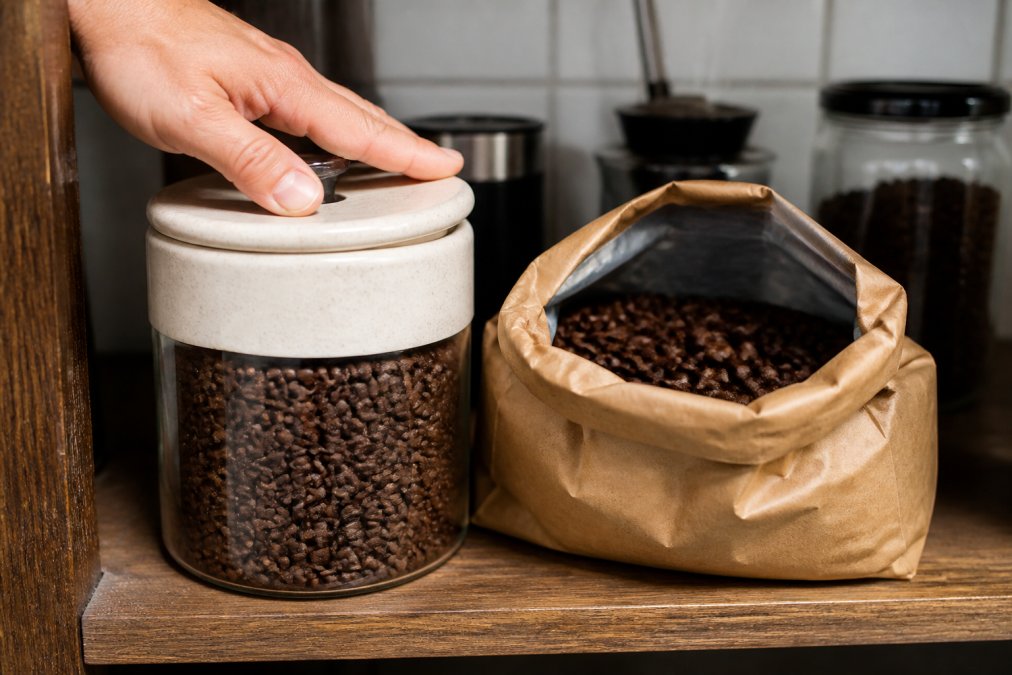
Storing coffee beans correctly after opening is the most overlooked variable in home brewing. The four enemies of coffee freshness are oxygen, moisture, heat, and light. The best storage method is an airtight, opaque container kept at room temperature away from direct heat sources. Ceramic or stainless steel canisters with CO2 valve lids are ideal because they allow degassing without letting oxygen in.
Bean Freshness, Roast Date, and Shelf Life Explained
Bean freshness is the measure of how much of a roasted bean's volatile aromatic compounds remain intact and available for extraction. These compounds begin degrading immediately after roasting and accelerate rapidly once the bean is ground.
Practical shelf life guidelines for whole bean coffee:
- 0-3 days post-roast: Too much CO2; extraction will be uneven and gassy
- 4-21 days post-roast: Peak window for most drip brewing applications
- 22-45 days post-roast: Acceptable quality, some loss of brightness and aroma
- 45+ days post-roast: Noticeable flavor degradation; flat, papery cup
The roast date on the bag is the most important piece of information for a coffee buyer, more important than origin, price, or certification. A premium single-origin coffee that's eight weeks past its roast date will produce an inferior cup compared to a mid-range blend that's ten days off the roaster. This is the core argument for ordering from roasters like USM Coffee that roast to order.
According to USDA National Organic Program standards, coffee labeled as USDA Organic must meet strict farming and handling standards, but organic certification says nothing about freshness or roast date. Treat organic and Fair Trade certifications as sourcing quality signals, not freshness guarantees.
| Storage Method | Shelf Life (Whole Bean) | Recommended? | Key Risk |
|---|---|---|---|
| Airtight opaque canister, room temp | Up to 4 weeks post-roast | Yes | None if used within window |
| Original bag with clip, room temp | 1-2 weeks post-opening | Acceptable | Oxygen exposure over time |
| Clear glass jar, countertop | 1 week post-opening | No | Light and oxygen degradation |
| Freezer, opened bag | Avoid | No | Moisture from freeze-thaw cycles |
| Freezer, sealed unopened bag | 3-6 months | For bulk only | Must use entire bag once thawed |
Frequently Asked Questions
Which roast level is best for drip coffee?
Medium roast is the most reliable choice for drip coffee because it preserves a balance of acidity, sweetness, and body without the bitterness that dark roasts can produce in a drip machine. The longer contact time in a drip brewer tends to amplify harsh notes in very dark roasts, while medium roast beans deliver chocolate, caramel, and citrus tasting notes cleanly. Light roasts can work well too, especially single-origin beans, but they require precise water temperature and grind size to avoid under-extraction.
What coffee grind size works best for drip coffee machines?
A medium grind, roughly the texture of coarse sand, is the standard for most drip machines. Too fine and the water moves too slowly, over-extracting bitter compounds. Too coarse and the brew runs through quickly, leaving the cup thin and sour. If your drip coffee tastes bitter, try a slightly coarser grind. If it tastes weak or sour, go finer. Burr grinders produce a more consistent grind size than blade grinders, which directly improves extraction evenness and overall flavor.
What is the ideal water-to-coffee ratio for drip brewing?
The Specialty Coffee Association recommends a brew ratio of roughly 1 to 2 tablespoons of ground coffee per 6 ounces of water, or about 55 grams of coffee per liter. Most home drip machines are calibrated for this range. Water quality matters too: filtered water free of heavy chlorine tastes noticeably cleaner than straight tap water. Water temperature between 195°F and 205°F is the target range for proper extraction, which most quality drip machines reach automatically.
Should I buy whole bean or pre-ground coffee for my drip machine?
Whole bean coffee stays fresh significantly longer than pre-ground because grinding exposes more surface area to oxygen, accelerating oxidation and flavor loss. If you own a burr grinder, whole bean is the better choice for drip coffee. Pre-ground is convenient and perfectly acceptable if you use it within one to two weeks of opening the bag. For the best results, grind only what you need immediately before brewing and store the rest in an airtight container away from heat and light.
Are single-origin beans better than blends for drip coffee?
Neither is objectively better; they serve different preferences. Single-origin beans highlight the distinct flavor profile of one growing region, offering pronounced notes like bright citrus acidity or floral sweetness. Blends are formulated for consistency and balance, combining beans from multiple origins to smooth out seasonal variation. For everyday drip brewing, many coffee drinkers prefer blends because the flavor stays predictable bag to bag. Single-origin beans reward those who want to taste the character of a specific farm or region.
How do I keep my drip coffee from tasting bitter?
Bitterness in drip coffee usually comes from over-extraction, which has three common causes: grind too fine, water too hot, or brew time too long. Start by checking your grind size and moving it coarser. If your machine has a temperature setting, confirm it sits between 195°F and 205°F. Using stale beans past their shelf life also produces bitter, flat cups, so check the roast date on the bag. Fresh beans, a medium grind, and properly filtered water resolve most bitterness issues without any equipment upgrades.
Finding the best coffee beans for drip brewing comes down to freshness, roast level, and sourcing transparency, three variables that most grocery store options can't deliver consistently. USM Coffee sources from trusted farms worldwide and roasts every order fresh, which means the beans arrive at peak flavor rather than weeks past it. Visit usmcoffee.com to explore current origins and get started with beans that are actually worth brewing.