

Best Ethically Sourced Coffee Brands
Table of Contents
- What Makes Coffee Ethically Sourced
- Fair Trade Coffee Certification Requirements
- Benefits of Direct Trade Coffee
- Top Ethically Sourced Coffee Brands: Feature Comparison
- 1. USM Coffee: Fresh Roasted to Order
- 2. Larry's Coffee: Certified Organic and Shade-Grown
- 3. Equal Exchange: Worker Cooperative Model
- 4. Higher Ground Roasters: Carbon Offset Commitment
Last Updated: August 29, 2026
What Makes Coffee Ethically Sourced
Ethical coffee isn't just a marketing term, it's a commitment to fair treatment of farmers, environmental stewardship, and supply chain transparency. When you buy ethically sourced coffee brands, you're purchasing beans where the people who grew them received fair compensation, worked under safe conditions, and farmed in ways that protect the land.
The distinction matters because conventional commodity coffee often leaves farmers earning less than the cost of production. Ethical sourcing flips this model: farmers receive living wages, long-term contracts, and direct relationships with roasters who value their work. Beyond economics, ethical coffee production prioritizes shade-grown methods that preserve biodiversity, reduce pesticide use, and build soil health rather than depleting it.
Supply Chain Transparency Metrics
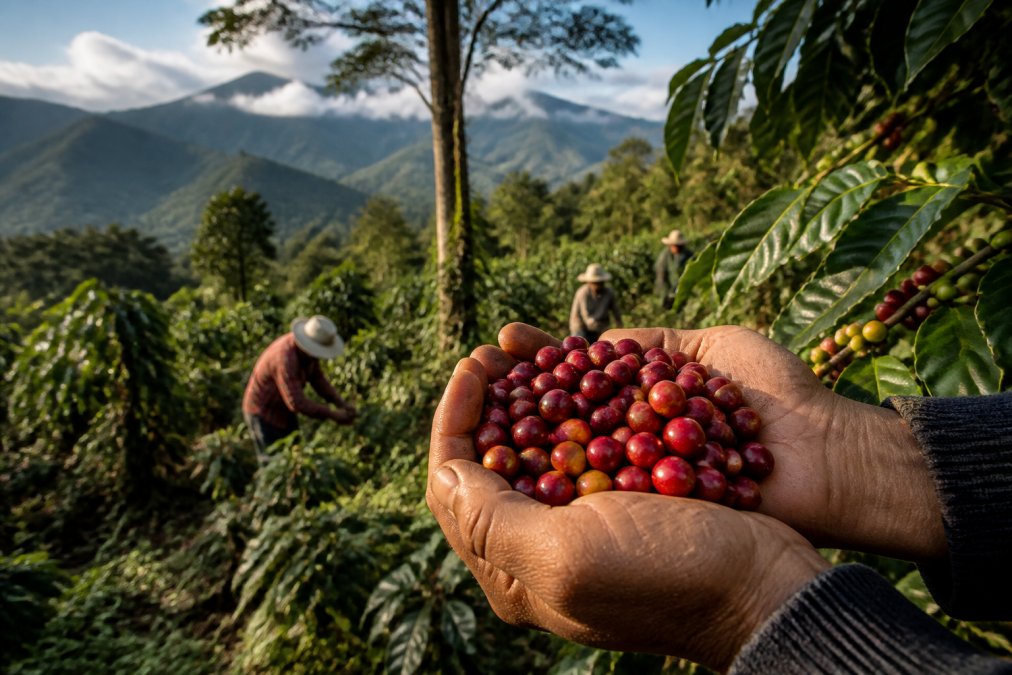
True transparency means you can trace your coffee from the specific farm, sometimes even the specific farmer, back through the supply chain to your cup. Ethical sourcing demands detailed documentation: harvest dates, processing methods, altitude, varietal information, and certification details.
Several metrics define supply chain transparency. Direct trade relationships eliminate middlemen, allowing roasters to work directly with cooperatives or individual farmers. Fair trade certification requires independent audits and documented payment records. Organic certification verifies pesticide-free farming practices. Bird-friendly certification (also called shade-grown) confirms that coffee grows under native tree canopies, protecting migratory bird populations and maintaining forest ecosystems.
The strongest transparency comes from single-origin coffees where roasters publish the farm name, farmer cooperative details, and specific harvest information. Some ethically sourced coffee brands now include QR codes on packaging that link to detailed origin stories, harvest photos, and farmer profiles. This level of detail separates genuine ethical commitment from greenwashing.
The Greenwashing Trap
Not every coffee labeled "natural," "sustainable," or "eco-friendly" meets genuine ethical standards. Greenwashing happens when companies use vague environmental language without third-party certification or verifiable practices. A bag might claim "sustainable farming" without explaining what that means or providing proof.
Watch for red flags: claims without certifications, vague origin information, or absence of farmer names and cooperative details. Legitimate ethically sourced coffee brands publish certification details prominently, Fair Trade certification numbers, Organic USDA seals, or B Corp status. If a company can't answer specific questions about where beans come from or how farmers are compensated, that's a warning sign.
The most trustworthy brands undergo third-party audits, publish sustainability reports, and maintain transparent pricing structures that show how much farmers actually receive. USM Coffee demonstrates this commitment by sourcing from trusted farms worldwide and maintaining detailed relationships with their suppliers.
Fair Trade Coffee Certification Requirements
Fair Trade certification establishes minimum standards for farmer compensation, working conditions, and environmental practices. To earn Fair Trade status, coffee producers must meet rigorous criteria verified through independent audits.
Fair Trade cooperatives guarantee farmers receive a minimum price floor, a safety net ensuring they earn a living wage even when commodity prices collapse (fairtrade.net). Beyond base pricing, Fair Trade requires an additional social premium that goes toward community development projects chosen by farmers themselves: school improvements, healthcare access, or infrastructure upgrades.
Fair Trade certification also mandates safe working conditions, prohibits child labor, and requires environmental stewardship practices. Certified farms must implement soil conservation, water management, and biodiversity protection measures. The certification process involves annual inspections and detailed record-keeping, making Fair Trade one of the most verifiable ethical sourcing standards available.
Equal Exchange pioneered the cooperative model for coffee, working directly with over 40 small farmer organizations globally since 1986. Their approach demonstrates how Fair Trade principles translate into sustained farmer relationships and community development. Cooperatives allow smallholder farmers to pool resources, negotiate better prices collectively, and invest in long-term agricultural improvements.
Benefits of Direct Trade Coffee
Direct trade takes ethical sourcing a step further by eliminating intermediaries entirely. Roasters work directly with farmers or small cooperatives, building long-term relationships based on trust and mutual benefit rather than transactional commodity deals.
This model delivers concrete advantages. Farmers receive higher prices because no middlemen take cuts, sometimes 2-3 times more than Fair Trade minimums (peer-reviewed research). Roasters gain direct access to specific microlots with unique flavor profiles, allowing them to create distinctive blends and single-origin offerings impossible in commodity markets. Transparency becomes inherent because communication flows directly between roaster and farmer.
Direct trade also enables customized agricultural partnerships. Roasters can work with farmers to experiment with processing methods, harvest timing, and varietal selection to achieve specific flavor goals. Farmers benefit from this expertise and from guaranteed purchase agreements that encourage long-term investment in quality improvement.
Higher Ground Roasters exemplifies direct trade commitment through carbon offset initiatives and partnerships with environmental nonprofits. Their 100% Certified Organic, Fair Trade, and Shade Grown coffee represents the intersection of direct relationships and rigorous environmental standards, proving that ethical sourcing and exceptional flavor aren't competing priorities.
Top Ethically Sourced Coffee Brands: Feature Comparison
| Brand | Key Certifications | Sourcing Model | Best For | Standout Feature |
|---|---|---|---|---|
| USM Coffee | Trusted farm partnerships | Direct relationships | Fresh-roasted preference | Roasted to order, fast delivery |
| Larry's Coffee | Organic, Fair Trade, Shade-Grown, B Corp | Cooperative partnerships | Eco-conscious buyers | Solar-powered roasting facility |
| Equal Exchange | Fair Trade, Organic | Worker cooperative | Farmer empowerment focus | 40+ farmer organization relationships |
| Higher Ground Roasters | Organic, Fair Trade, Shade-Grown | Direct trade | Carbon-conscious consumers | Wind power offsets, conservation partnerships |
| Café Mam | Fair Trade, Organic | Mayan farmer cooperatives | Indigenous community support | Direct Mayan cooperative relationships |
| Conscious Coffees | B Corp, Fair Trade, Organic | Family farm cooperatives | Transparency seekers | B Corp "Best for the World" recognition |
| Red Bay Coffee | B Corp | Direct sourcing | Specialty roast enthusiasts | Innovative decaffeination process |
| Purity Coffee | USDA Organic | Sustainable farms | Health-conscious drinkers | Lab-tested for mold and mycotoxins |
| Pura Vida Coffee | Fair Trade, Shade-Grown, Organic | Cooperative partnerships | Social impact prioritizers | Supports at-risk children nonprofit |
| Allegro Coffee | Organic, Fair Trade | Cooperative partnerships | Convenient retail access | Available in Whole Foods nationwide |
1. USM Coffee: Fresh Roasted to Order
USM Coffee stands out by roasting every batch to order, ensuring maximum flavor and aroma in every cup. This approach eliminates the staleness problem that plagues even premium store-bought beans. Freshness matters for coffee quality, and roasting to order helps ensure fresh beans.
USM Coffee sources beans from trusted farms worldwide, maintaining direct relationships with suppliers. The roasting-to-order model means you receive beans at peak flavor.
Beyond coffee, USM Coffee offers coffee-inspired apparel and refreshing teas, creating a complete coffee culture experience. The ordering process is intentionally simple, designed for busy professionals and coffee enthusiasts who want premium quality without complexity. Fast, reliable delivery straight to your door means you're never without fresh beans.
For those concerned about freshness versus other ethically sourced coffee brands, this matters significantly. A bag of beans sitting on a shelf for weeks can degrade flavor and aroma. USM Coffee's roasted-to-order model aims to provide a superior cup experience.
2. Larry's Coffee: Certified Organic and Shade-Grown
Larry's Coffee represents nearly three decades of commitment to sustainable, ethical coffee production. Every bag carries multiple certifications, Organic, Fair Trade, Kosher, and Shade-Grown (bird-friendly), demonstrating comprehensive ethical standards rather than selective compliance.
The shade-grown approach deserves emphasis because it addresses biodiversity directly. Coffee grown under native tree canopies supports migratory bird populations, maintains forest ecosystems, and improves soil health compared to sun-grown monocultures (audubon.org). This method takes longer and produces lower yields per acre.
What distinguishes Larry's is the roasting facility itself: solar water-heated floors and rainwater-driven restrooms demonstrate that ethical commitment extends beyond sourcing to operational sustainability. The company offers fully recyclable, BPA-free K-cups, addressing end-of-life sustainability.
As a Certified B Corporation, Larry's Coffee undergoes rigorous third-party audits confirming social and environmental impact. This certification carries real weight because B Corps must meet strict standards and submit to annual recertification.
3. Equal Exchange: Worker Cooperative Model
Equal Exchange pioneered something fundamental: the worker cooperative structure for coffee importing. Since 1986, this model has proven that ethical sourcing and business success aren't opposing forces.
The cooperative structure means workers own the company, share in profits, and have decision-making power. This creates alignment between company values and daily operations.
Equal Exchange sources from over 40 small farmer organizations globally, maintaining relationships that span decades rather than seasons. This stability allows farmers to invest in long-term improvements: better processing equipment, soil conservation projects, or crop diversification. The long-term commitment also means Equal Exchange invests in farmer education and cooperative development, not just purchasing beans.
The cooperative model translates to transparency as standard practice. Equal Exchange publishes detailed information about farmer organizations, payment structures, and impact metrics. You're not trusting marketing claims, you're reviewing documented relationships and verifiable outcomes.
For coffee drinkers prioritizing farmer empowerment over all other factors, Equal Exchange delivers the most direct connection between your purchase and farmer prosperity. The cooperative structure ensures that commitment is structural, not just marketing messaging.
4. Higher Ground Roasters: Carbon Offset Commitment
Higher Ground Roasters takes environmental responsibility beyond sourcing into operational impact. Every bag of their 100% Certified Organic, Fair Trade, and Shade Grown coffee represents a commitment to carbon neutrality through wind power credits offsetting daily energy usage.
The shade-grown requirement here matters because it addresses two environmental concerns simultaneously: protecting biodiversity through native tree canopies while building soil health through reduced erosion and improved water retention. These practices create climate resilience in coffee-growing regions increasingly threatened by drought and temperature volatility.
What separates Higher Ground is partnership with environmental nonprofits focused on conservation. These aren't token donations, they're strategic partnerships that extend impact beyond the farm to ecosystem-level protection. This approach recognizes that ethical coffee sourcing connects to broader environmental stewardship.
The carbon offset strategy demonstrates awareness that roasting operations consume energy. Rather than ignoring this impact, Higher Ground quantifies it and purchases wind power credits to match daily usage. This transparency about operational footprint distinguishes genuine environmental commitment from selective sustainability claims.
For environmentally conscious consumers, Higher Ground represents the intersection of shade-grown coffee (biodiversity protection), Fair Trade certification (farmer welfare), and operational carbon neutrality (business-level environmental responsibility).
Choosing ethically sourced coffee brands means aligning your daily ritual with values that matter. Whether you prioritize farmer empowerment, environmental stewardship, supply chain transparency, or a combination of these factors, the brands above offer verifiable commitments backed by certifications, transparent practices, and documented impact.
USM Coffee delivers this ethical commitment through fresh-roasted-to-order beans sourced from trusted farms worldwide, ensuring maximum flavor while supporting sustainable farming practices. Start with a small order to experience the difference fresh roasting makes, then build a subscription that fits your consumption without waste.
Frequently Asked Questions
Q: What certifications should I look for to ensure coffee is ethically sourced?
A: Look for Fair Trade Certified, USDA Organic, Rainforest Alliance, and shade-grown certifications. Fair Trade ensures farmers receive fair prices and work under safe conditions. Organic certification means no synthetic pesticides or fertilizers. Shade-grown protects biodiversity and bird habitats. B Corp certification indicates the company meets high social and environmental standards. Third-party certifications provide independent verification of ethical sourcing claims.
Q: How does direct trade differ from Fair Trade certification?
A: Direct trade eliminates middlemen by connecting roasters directly with farmers, often resulting in higher prices paid to producers. Fair Trade certification uses a cooperative model with standardized minimum prices and labor standards set by third-party organizations. Direct trade offers more transparency and relationship building but lacks standardized oversight. Fair Trade provides consistent protections across supply chains. Both prioritize farmer welfare, but direct trade emphasizes individual relationships while Fair Trade focuses on cooperative structures and certification verification.
Q: Is organic coffee always ethically sourced?
A: Not necessarily. Organic certification ensures coffee is grown without synthetic pesticides or fertilizers, but it doesn't guarantee fair wages, safe working conditions, or direct farmer relationships. An organic coffee could still come from large plantations with poor labor practices. For truly ethical coffee, look for organic certification combined with Fair Trade, direct trade, or B Corp status. These additional certifications address social and economic dimensions beyond environmental farming practices.
Q: What environmental benefits does ethically sourced coffee provide?
A: Ethically sourced coffee supports shade-grown farming, which preserves biodiversity and bird habitats. It reduces chemical pesticide use through organic practices, protecting soil health and water quality. Direct trade and cooperative models encourage regenerative farming that improves carbon sequestration. Many ethical brands offset carbon footprints through renewable energy or conservation partnerships. Supporting smallholder farmers through fair prices promotes climate resilience and sustainable land management practices that protect ecosystems.
Q: How can I tell if a coffee brand is greenwashing versus genuinely sustainable?
A: Check for specific third-party certifications from recognized bodies rather than unverified company claims. Look for transparency reports detailing sourcing origins, farmer names, and supply chain practices. Genuine brands provide traceability information and sustainability metrics. Avoid vague language like 'eco-friendly' without supporting certifications. Visit the company's website for detailed sourcing information and farmer relationships. Greenwashing relies on marketing language without verifiable evidence; legitimate ethical brands provide documentation and third-party verification.