

Best Low Acid Coffee for Sensitive Stomachs
Table of Contents
- What Is Low Acid Coffee and Why It Matters for Your Stomach
- Dark Roast vs Light Roast Acidity: Which Is Gentler on Your Stomach
- Cold Brew vs Hot Brew Acidity: A Practical Comparison
- How to Reduce Acidity in Coffee at Home
-
Top Low Acid Coffee Brands for Sensitive Stomachs
- Puroast Coffee Dark French Roast: Maximum Acid Reduction
- Lifeboost Coffee Embolden Dark Roast: Premium Quality and Purity
- Volcanica Coffee Low Acid Blend: Naturally Low Acidity
- Tieman's Fusion Coffee Dark Roast: Functional Ingredients for Digestive Comfort
- Tyler's Coffee Organic: Acid-Free for Severe Sensitivity
- Lucy Jo's Coffee Mellow Belly: Organic and Affordable
- HealthWise Low Acid K-Cups: Convenience for Sensitive Stomachs
- Trader Joe's Low Acid French Roast: Budget-Friendly Option
- Quick Comparison Table
- Managing GERD and Gastritis While Enjoying Coffee
- Conclusion
Last Updated: August 8, 2026
What Is Low Acid Coffee and Why It Matters for Your Stomach
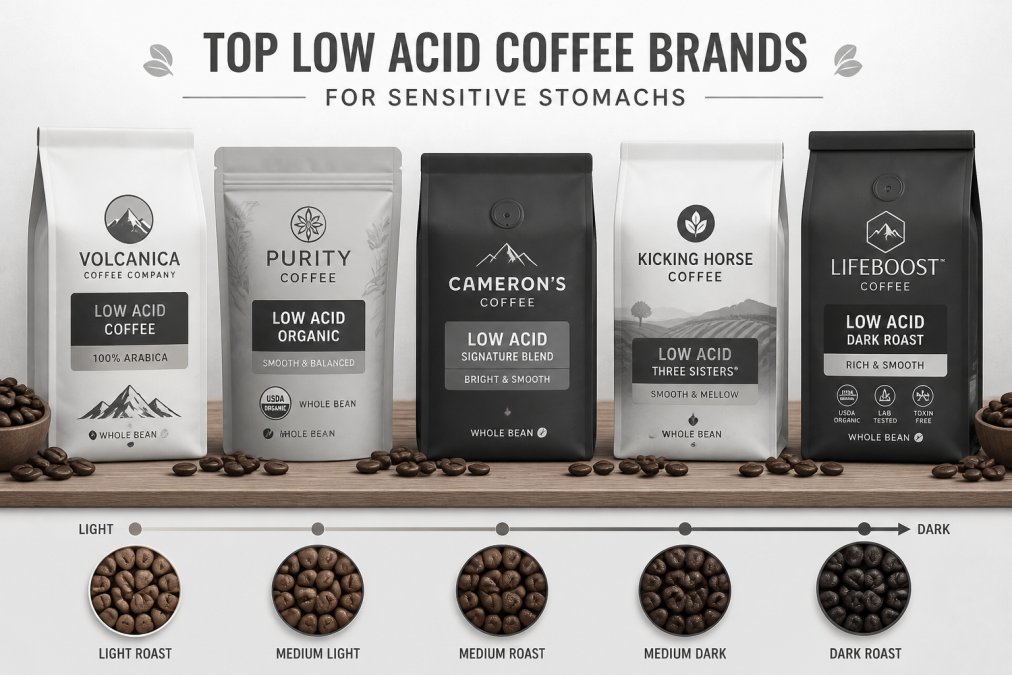
Low acid coffee is specially processed or sourced to reduce acidity levels, making it gentler on the digestive system. Regular coffee contains chlorogenic acid and other compounds that trigger acid reflux, heartburn, and gastritis in sensitive stomachs. Most regular coffees fall between pH 4.85 and 5.10, while low acid coffee typically ranges from pH 5.2 to 6.5, a meaningful difference for those with GERD or gastritis.
At USM Coffee, we understand this struggle. Our carefully sourced beans and roasting methods preserve flavor while minimizing compounds that irritate sensitive stomachs. Lower acidity doesn't mean lower quality; it's about choosing the right beans and processing techniques from the start.
Several factors contribute to coffee acidity. Beans grown at lower altitudes naturally contain less acid. Darker roasts break down more chlorogenic acid during extended heat exposure, resulting in smoother, less acidic coffee than light roasts. Cold brewing is another effective method because steeping in cold water for extended periods extracts flavor while leaving behind acidic compounds.
Dark Roast vs Light Roast Acidity: Which Is Gentler on Your Stomach
Dark roast coffee is significantly gentler on sensitive stomachs than light roast. Extended roasting breaks down chlorogenic acid and other compounds that trigger acid reflux and heartburn. Light roasts spend less time in the roaster, preserving more acidic compounds and resulting in a sharper cup.
When beans are roasted longer, heat causes chemical transformations that reduce acidity. A dark French roast will consistently deliver lower acidity than a light city roast from the same origin. However, "dark roast" doesn't automatically mean low acid, the bean's origin still matters. A dark roast from high-altitude Ethiopia might still be more acidic than a dark roast from low-altitude Brazil. The combination of bean selection and roasting level creates the most stomach-friendly coffee.
Dark roasts tend toward bold, smoky, and chocolatey notes, while light roasts showcase brighter, more acidic fruit and floral characteristics. If you're sensitive to acidity, you're trading some brightness for digestive comfort, a worthwhile tradeoff for most people dealing with acid reflux.
Cold Brew vs Hot Brew Acidity: A Practical Comparison
Cold brew produces significantly lower acidity than hot brewed coffee, typically 65-70% less acidic. This happens because cold water extraction is gentler on beans and leaves behind more acidic compounds in the grounds rather than pulling them into your cup.
Hot water aggressively extracts all soluble compounds, including acids, oils, and flavor molecules. Cold water works much more slowly and selectively, pulling out flavor while leaving behind harsher, acidic elements. A typical cold brew steeps for 12-24 hours, while hot brewing takes just 4-6 minutes. For people with GERD or gastritis, cold brew offers a practical solution, make a batch once a week and have gentle, low-acid coffee ready throughout the week.
Temperature matters too. Even with the same beans and brewing method, hotter water creates more acidity in the final cup. Letting your hot coffee cool slightly before drinking reduces stomach irritation.
| Brewing Method | Acidity Level | Brew Time | Best For | Flavor Profile |
|---|---|---|---|---|
| Cold Brew | Very Low (pH 5.8-6.5) | 12-24 hours | Sensitive stomachs, planning ahead | Smooth, sweet, mellow |
| Hot Brew (Dark Roast) | Low (pH 5.2-5.5) | 4-6 minutes | Daily convenience, dark roast lovers | Bold, chocolatey, smoky |
| Hot Brew (Light Roast) | High (pH 4.85-5.0) | 4-6 minutes | Acid-tolerant coffee enthusiasts | Bright, fruity, acidic |
| Espresso | Medium (pH 5.0-5.3) | 25-30 seconds | Specialty drinks, shorter shots | Concentrated, rich |
How to Reduce Acidity in Coffee at Home
The simplest way to reduce acidity is to switch to a dark roast from a low-altitude origin and use cold brewing methods.
Choose the right beans. Start with coffees labeled as low-acid or sourced from lower-altitude regions. Brazilian, Sumatran, and Central American coffees naturally contain less acid than high-altitude East African origins.
Adjust your brewing temperature. Lower water temperature from the standard 195-205°F to 190-195°F reduces acid extraction while maintaining flavor.
Extend your brew time. Longer steeping with lower temperatures pulls flavor without over-extracting acids. French press brewing naturally produces lower-acid coffee when you use cooler water and steep for 4-5 minutes.
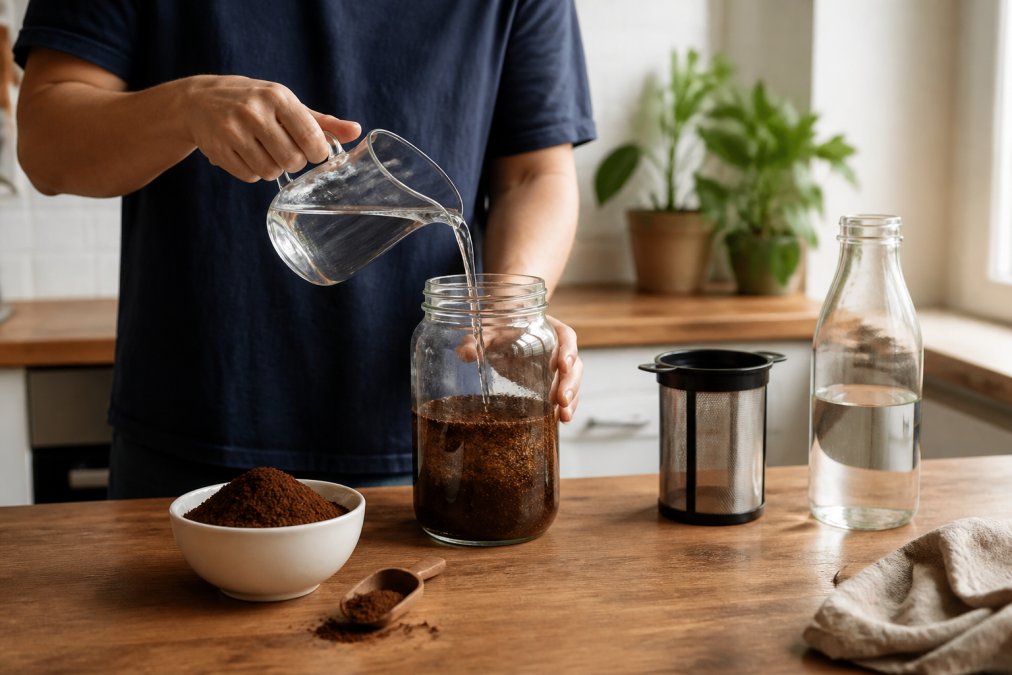
Try cold brewing. Combine coarse ground coffee with cold water in a jar, steep for 12-24 hours, then strain. One batch lasts a week.
Add alkaline water. Using filtered or alkaline water (pH 7-8) instead of tap water can slightly reduce final acidity.
Use a paper filter. Paper filters trap oils and some acidic compounds, while metal filters allow more to pass through.
Top Low Acid Coffee Brands for Sensitive Stomachs
Puroast Coffee Dark French Roast: Maximum Acid Reduction
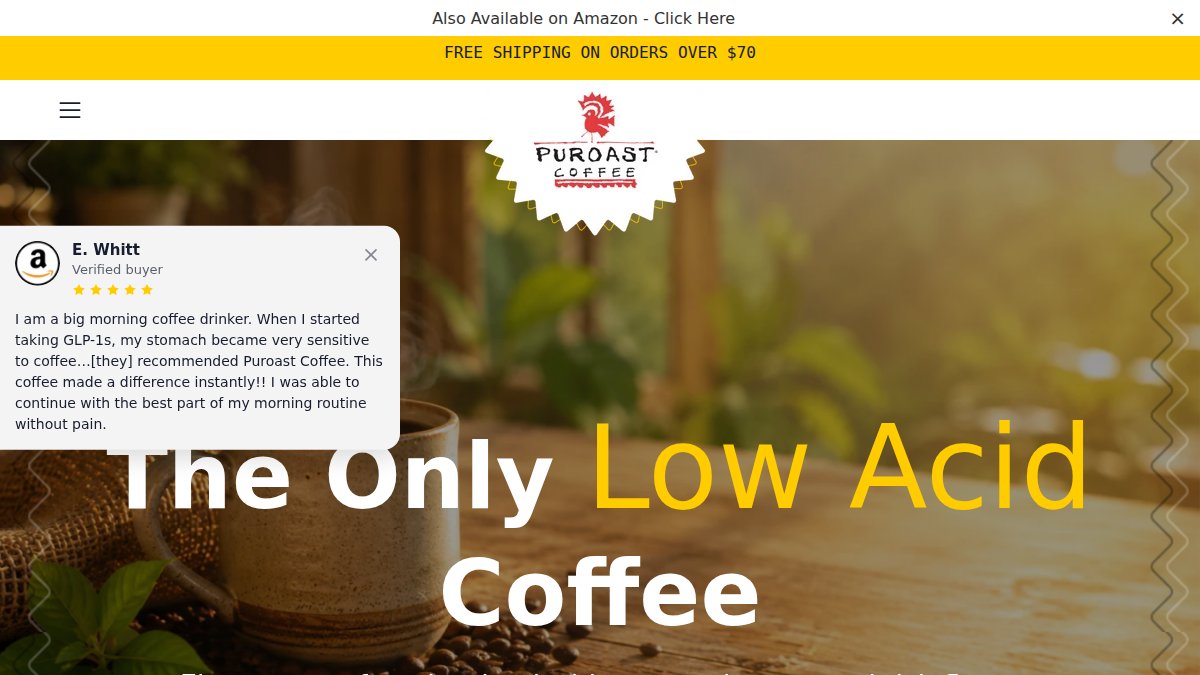
Puroast Coffee has built its reputation on reducing acidity without sacrificing flavor. Their Dark French Roast delivers a bold, smooth cup with 70% less acid than other roasted coffees. The pH sits above 5.5, making it genuinely gentle on sensitive stomachs. Puroast sources beans and applies roasting techniques specifically designed to break down chlorogenic acid. Available in ground, whole bean, and single-serve pods, it offers convenience for people with acid reflux.
Pros: Significantly reduced acidity (70% less), high antioxidant content, multiple formats, smooth flavor without bitterness
Cons: Pricing may vary, may require online ordering
Lifeboost Coffee Embolden Dark Roast: Premium Quality and Purity
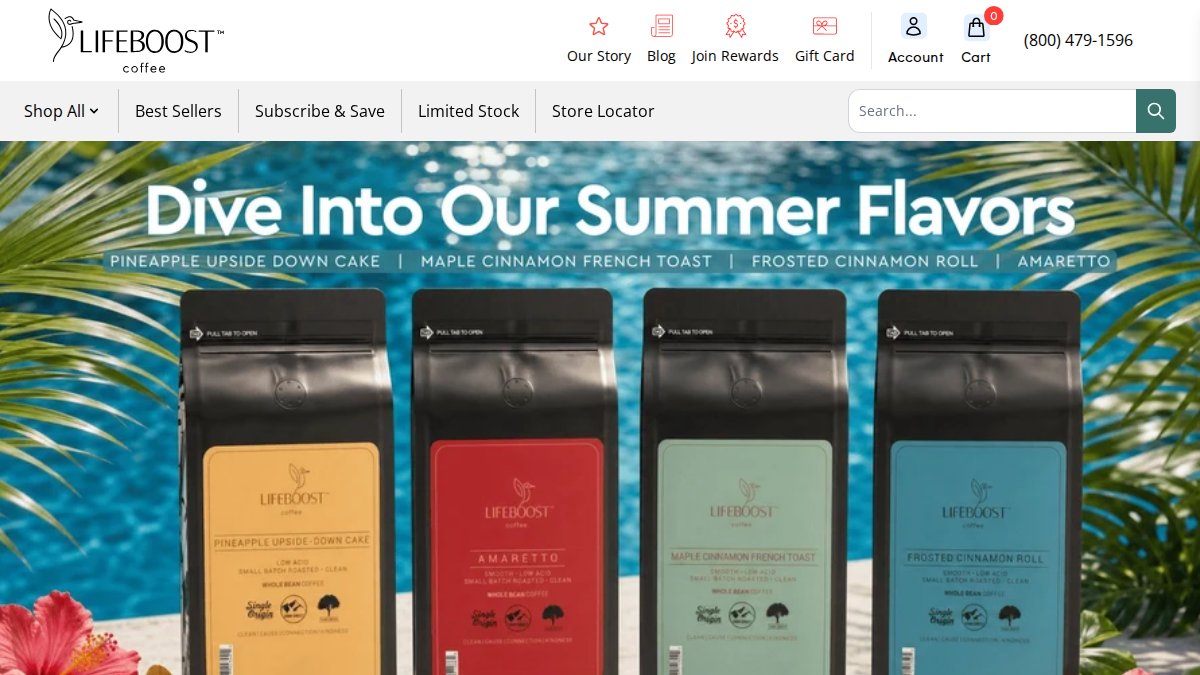
Lifeboost focuses on purity and testing alongside roasting technique. Their Embolden Dark Roast is third-party tested for mycotoxins, pesticides, and heavy metals. Single-origin, shade-grown Arabica with pH between 5.5 and 6.5, it's genuinely low-acid and free from contaminants that might irritate sensitive stomachs further. USDA Organic certification and third-party testing add real value for severe digestive sensitivity.
Pros: Very low acidity (pH 5.5-6.5), third-party tested, USDA Organic certified, shade-grown beans, multiple formats
Cons: Pricing may vary, limited flavor variety
Volcanica Coffee Low Acid Blend: Naturally Low Acidity
Volcanica takes advantage of a simple fact: beans grown at lower altitudes naturally contain less acid. Their Low Acid Blend combines Brazilian, Sumatran, and other low-altitude Arabica coffees with pH between 5.2 and 5.6. The medium roast retains complexity while remaining gentle on your stomach, with chocolate, nuts, and subtle tangerine notes. Both regular and decaf versions are available.
Pros: Naturally lower acidity, smooth flavor, variety of options, Kosher certified
Cons: Some products occasionally unavailable, less aggressive acidity reduction than competitors
Tieman's Fusion Coffee Dark Roast: Functional Ingredients for Digestive Comfort
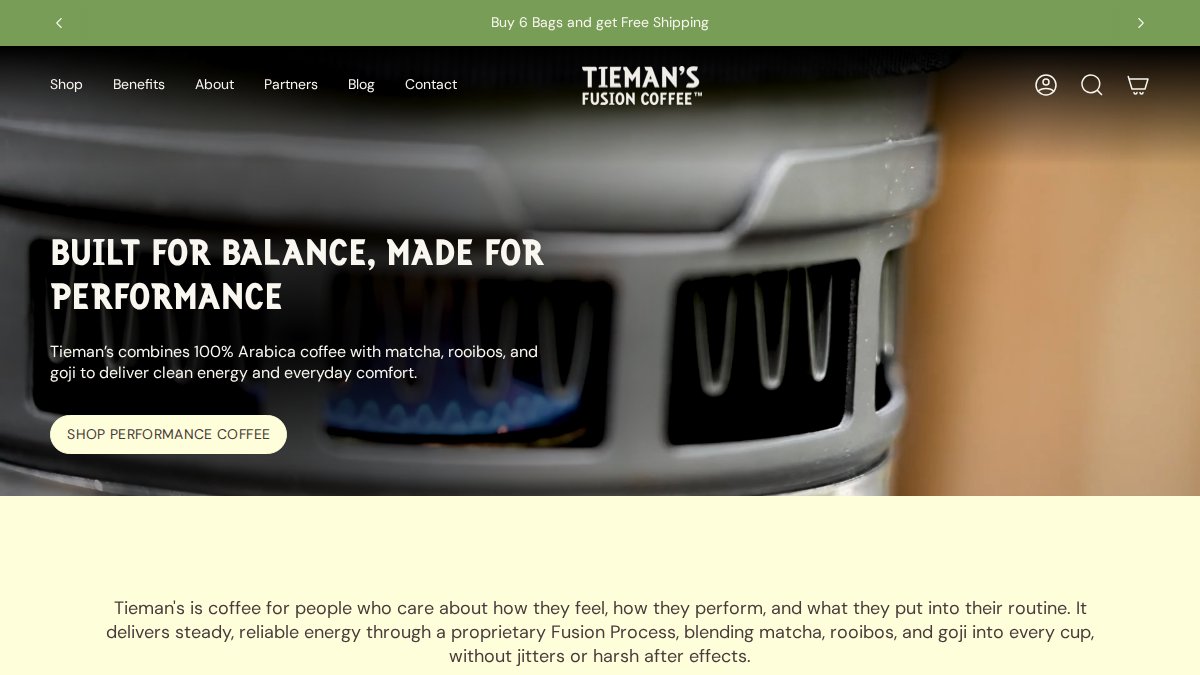
Tieman's Fusion blends coffee with Matcha green tea, Rooibos red tea, and Goji berry. The Dark Roast has pH 5.97, making it low-acid, while added ingredients provide extra antioxidants and smoother mouthfeel. The 100% Arabica base ensures quality.
Pros: Low acidity with functional ingredients, sustained energy, affordable pricing, smooth flavor, ground and whole bean options
Cons: Herbal ingredients alter traditional coffee taste, not for purists
Tyler's Coffee Organic: Acid-Free for Severe Sensitivity
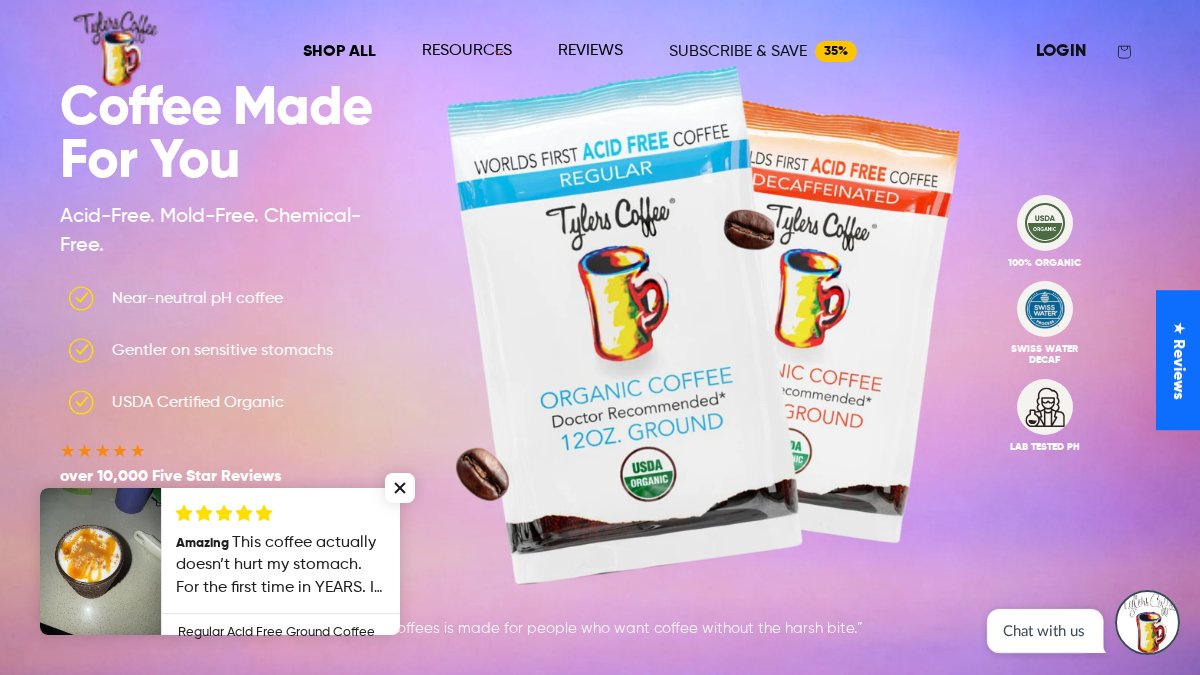
Tyler's Coffee uses a proprietary Z-Roasting process to eliminate acidity entirely. For people with severe GERD, ulcers, or extreme acid sensitivity, this is the option to consider. USDA Organic certification ensures purity without pesticides or contaminants. Available in ground, whole bean, and single-serve formats.
Pros: Completely acid-free, USDA Organic certified, doctor recommended, multiple formats
Cons: Pricing may vary, limited flavor variety
Lucy Jo's Coffee Mellow Belly: Organic and Affordable
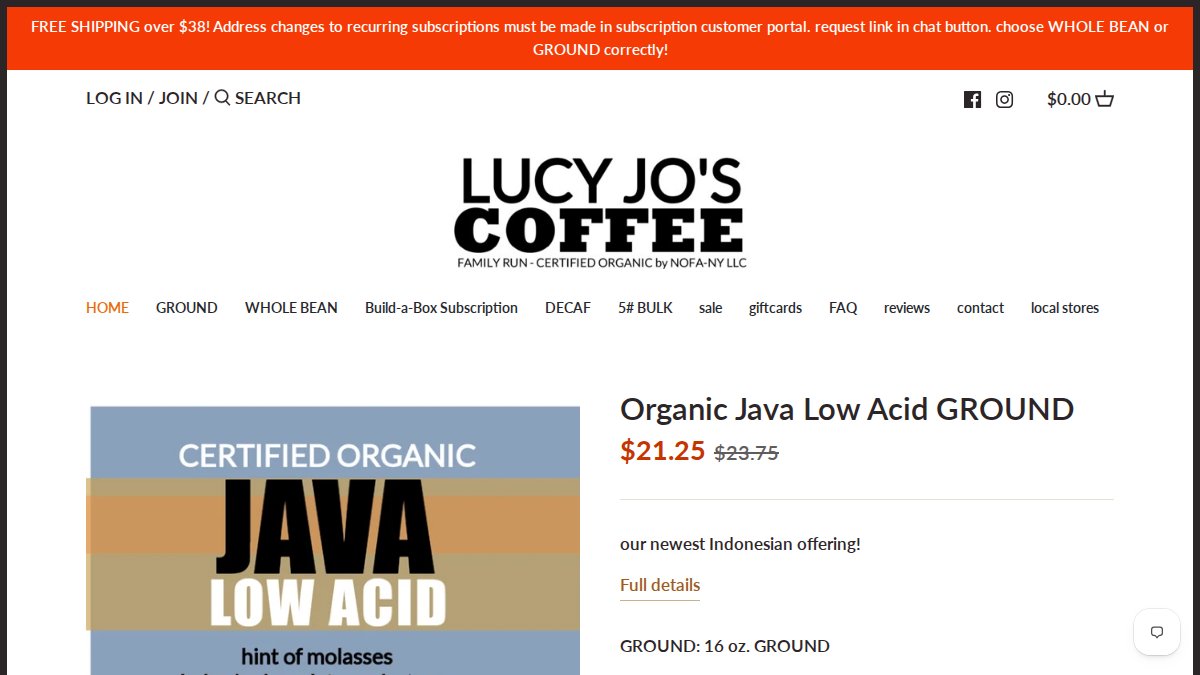
Lucy Jo's Coffee Mellow Belly is an organic low-acid blend. Free shipping is available on orders over $38. It is available in different roast levels.
Pros: Organic certification, smooth flavor, affordable pricing with volume discounts, multiple roast options, free shipping on larger orders
Cons: Price increases have occurred, less aggressive acidity reduction than specialty brands
HealthWise Low Acid K-Cups: Convenience for Sensitive Stomachs
HealthWise Low Acid K-Cups are designed for people wanting low-acid coffee without brewing hassle. The TechnoRoasting process reduces acidity while 100% Colombian Arabica beans provide consistent quality. Flavor variety includes Chocolate Coconut, Hazelnut, French Vanilla, and Colombian Supremo, keeping daily coffee interesting.
Pros: Single-serve convenience, TechnoRoasting reduces acidity, multiple flavors, specially formulated for sensitive stomachs, consistent quality
Cons: K-Cup format only, higher per-cup cost, environmental impact of single-use pods
Trader Joe's Low Acid French Roast: Budget-Friendly Option
Trader Joe's Low Acid French Roast is an affordable option while delivering genuine acidity reduction. pH sits at 5.3, achieved through chemical-free natural steaming. The French Roast profile delivers bold, smoky flavor with chocolate notes.
Pros: Lowest price for genuine low-acid coffee, bold French roast flavor, whole beans for freshness, chemical-free steaming, accessible in stores
Cons: Limited to Trader Joe's locations, inconsistent availability, less aggressive acidity reduction than specialty brands
Quick Comparison Table
| Brand | Starting Price | Acidity Level | Best For | Key Feature |
|---|---|---|---|---|
| Puroast Dark French Roast | Pricing may vary | 70% reduced | Sensitive stomachs seeking convenience | Multiple format options |
| Lifeboost Embolden Dark | Pricing may vary | pH 5.5-6.5 | Health-conscious, contaminant-free | Third-party tested |
| Volcanica Low Acid Blend | Pricing may vary | pH 5.2-5.6 | Budget-friendly low-acid seekers | Natural acidity reduction |
| Tieman's Fusion Dark Roast | Pricing may vary | pH 5.97 | Functional coffee drinkers | Added antioxidants and energy |
| Tyler's Organic | Pricing may vary | Acid-free | Severe acid reflux/GERD sufferers | Completely acid-free |
| Lucy Jo's Mellow Belly | Pricing may vary | Low-acid | Organic, budget-conscious buyers | Affordable organic option |
| HealthWise K-Cups | Pricing may vary | Reduced acidity | Keurig users wanting convenience | Flavor variety |
| Trader Joe's French Roast | Pricing may vary | pH 5.3 | Budget-first buyers | Lowest price, accessible |
Managing GERD and Gastritis While Enjoying Coffee
If you have GERD or gastritis, coffee doesn't have to be off-limits with intentional choices. Low-acid coffee selection combined with proper brewing technique lets you enjoy coffee without triggering symptoms.
Timing matters. Drinking coffee on an empty stomach increases irritation because there's no food to buffer acid. Eat something before your coffee, even toast or yogurt reduces reflux symptoms significantly.
Portion size affects symptoms. An 8 oz cup is less likely to trigger reflux than 16 oz. Consider smaller portions, especially when new to low-acid coffee.
Avoid adding triggers. Milk and cream can increase reflux in some people. Alcohol-based coffee drinks should be avoided. Sugar increases stomach acid production.
Stay hydrated. Coffee is a diuretic. Dehydration worsens acid reflux. Drink extra water throughout the day when consuming coffee.
Consider the time of day. Finish coffee at least 3-4 hours before bed. Lying down allows stomach acid to reach your esophagus. Morning or early afternoon coffee is gentler.
Monitor your personal triggers. Everyone's stomach is different. Some tolerate dark roasts well but struggle with medium roasts. Others find cold brew essential. Keep notes on which coffees and brewing methods work best for your body.
Conclusion
The best low acid coffee for sensitive stomachs depends on your priorities, budget, and severity of acid sensitivity. For maximum acidity reduction at premium pricing, Tyler's Organic offers acid-free coffee for severe GERD. For the best balance of quality, acidity reduction, and accessibility, Puroast Coffee Dark French Roast delivers proven results. For budget-conscious shoppers, Trader Joe's Low Acid French Roast proves you don't need premium prices for genuine acidity reduction.
At USM Coffee, we believe fresh-roasted beans from trusted farms, combined with thoughtful roasting techniques, create coffee that's both flavorful and gentle on your stomach. Our carefully sourced dark roasts and custom blends are roasted to order for maximum freshness and optimal acidity reduction. Start with one of the options in this guide, monitor how your stomach responds, and adjust as needed. Low-acid coffee doesn't mean sacrificing flavor, it means enjoying coffee in a way that works with your body rather than against it.
Frequently Asked Questions
Which coffee is best for a sensitive stomach?
The best low acid coffee depends on your severity and preferences. For mild sensitivity, Puroast Coffee Dark French Roast (70% less acid) or Volcanica's low acid blend work well. For severe acid reflux or GERD, Tyler's Coffee Organic is completely acid-free using their Z-Roasting process. Lifeboost Coffee offers third-party tested organic beans with pH between 5.5-6.5, making it ideal if you prioritize purity. Dark roasts generally produce less stomach irritation than light roasts due to reduced chlorogenic acid content.
How can I make my coffee less acidic at home?
Several brewing adjustments reduce acidity: brew cold brew concentrate instead of hot coffee, which naturally lowers acid extraction by 65-70%; use dark roast beans instead of light roasts; add a pinch of baking soda to neutralize acidity; brew at lower temperatures (around 195-205°F instead of 210°F); use filtered water with a higher pH; or add milk or cream, which buffers stomach acid. Extraction time matters too, shorter brew times in hot coffee mean less chlorogenic acid dissolves into your cup, making espresso gentler than French press.
Does dark roast coffee have less acid than light roast?
Yes, dark roast coffee has significantly less acid than light roast. The roasting process breaks down chlorogenic acid, the compound primarily responsible for coffee's acidity. Darker roasts spend more time in the roaster, reducing chlorogenic acid content by up to 30% compared to light roasts. This is why dark roasts taste smoother and less bitter, they're gentler on your stomach lining. For acid reflux or GERD sufferers, switching from light to dark roast alone can provide noticeable relief without changing brands.
What's the difference between cold brew and hot brew when it comes to acidity?
Cold brew is substantially less acidic than hot brew. Cold water extraction takes 12-24 hours and pulls fewer acids from the beans, cold brew typically has 65-70% less acidity than hot-brewed coffee. Hot brewing uses high temperatures that extract chlorogenic acid and other acids more efficiently, creating higher acidity levels. If you have acid reflux or gastritis, cold brew offers a gentler option without sacrificing caffeine content. You can make cold brew concentrate at home and dilute it with water or milk for a stomach-friendly daily cup.
Can I drink regular coffee if I have GERD or acid reflux?
Regular coffee often triggers GERD and acid reflux symptoms because of its high acidity and caffeine content, which relaxes the lower esophageal sphincter. However, switching to low acid coffee, brewing methods that reduce acidity, or limiting intake to one cup daily can help many people enjoy coffee while managing symptoms. Dark roasts, cold brew, and decaffeinated options are gentler choices. If you have severe GERD, consult your doctor before consuming coffee regularly. Adding milk or a pinch of baking soda further neutralizes stomach irritation for some individuals.