

Blue Bottle Coffee Alternatives: 5 Premium Options
Table of Contents
- Why Look for Blue Bottle Coffee Alternatives
- How to Choose Coffee Beans That Match Your Taste
- Best Specialty Coffee Subscription Services Compared
- Roast Profiles and Flavor Notes Explained
- Subscription Flexibility vs. One-Time Purchases
- Ethical Sourcing and Sustainability Practices
- Subscription Cancellation and Flexibility
- Frequently Asked Questions
Last Updated: September 2, 2026
Why Look for Blue Bottle Coffee Alternatives
The specialty coffee market has exploded in recent years, and while Blue Bottle built its reputation early, it's no longer your only option for premium, fresh-roasted beans. A blue bottle coffee alternative might deliver better value, fresher roasts, or more alignment with your sourcing values.
The real question isn't whether alternatives exist, they do, plenty of them. It's which ones match your actual priorities. Some people care most about flavor complexity. Others prioritize ethical sourcing or subscription flexibility. A few want beans roasted the day before they ship. Understanding these differences separates a good choice from wasting money on coffee that sits in your pantry.
At USM Coffee, we've observed a consistent pattern: people outgrow their initial choice once they understand what's possible. They discover that freshness matters more than brand recognition, that direct trade sourcing creates tangible cup quality differences, and that subscription flexibility prevents the coffee pile-up that kills home brewing habits.
This guide walks you through the best specialty coffee options available today, how to match them to your taste preferences, and what separates a premium blue bottle coffee alternative from the rest.
How to Choose Coffee Beans That Match Your Taste
Choosing the right coffee starts with understanding what you actually prefer, not what you think you should prefer.
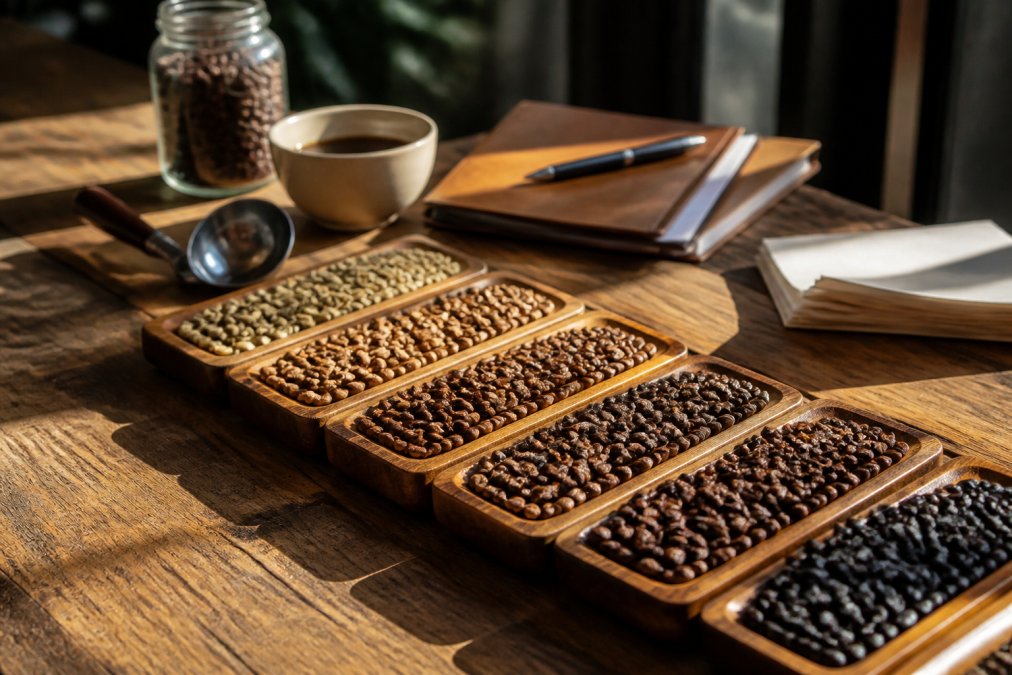
Tasting notes describe real flavor compounds that emerge during roasting and extraction, not marketing fluff. Light roasts showcase origin characteristics, terroir, altitude, and processing method, while darker roasts emphasize chocolate, caramel, and baking chocolate notes.
Start by identifying your baseline preference. Do you gravitate toward bright, acidic coffees with pronounced fruit or floral notes? Light to medium roasts from high-altitude single-origin farms serve you best. Do you prefer smooth, body-forward cups with minimal acidity? Medium to dark roasts, often blends, work better. The acidity here is liveliness and complexity, not sourness.
Grind size matters as much as bean selection. Medium grind works for drip machines, coarse for French press, fine for espresso. Grind too fine and you extract bitterness; too coarse and your coffee tastes weak. This is where many people fail: they buy excellent beans, then grind them wrong and blame the coffee.
Consider your brewing method before ordering. Pour-over enthusiasts can handle lighter roasts with higher acidity because they control extraction precisely. Drip machines are more forgiving with medium roasts that balance acidity and body.
Best Specialty Coffee Subscription Services Compared
A solid best specialty coffee subscription handles decision-making while maintaining flexibility.
| Service | Sourcing Model | Customization | Shipping Frequency | Roast Freshness |
|---|---|---|---|---|
| USM Coffee | Trusted global farms | High flexibility | Your choice | Roasted to order |
| Atlas Coffee Club | Single-origin rotation | Grind & roast options | Every 2-4 weeks | Roasted to order |
| Intelligentsia Coffee | Direct trade | Subscription customizable | Flexible | High-quality roasts |
| Stumptown Coffee Roasters | Direct trade pioneer | Blend & single-origin | Flexible | Fresh roasting focus |
USM Coffee: Fresh-Roasted to Order
USM Coffee roasts every batch to order, meaning your beans ship at peak freshness. This is the difference between coffee that tastes vibrant and coffee that tastes flat after two weeks on a shelf.
You choose your roast preference, select delivery frequency, and beans arrive roasted within days of shipment. The brand sources from trusted farms worldwide, so you're not locked into a single origin or flavor profile. The standout feature is flexibility: you adjust frequency, pause, or cancel without friction.
The apparel line appeals to people who live the coffee lifestyle rather than just consuming the product.
Atlas Coffee Club: Global Single-Origin Exploration
Atlas Coffee Club curates a single-origin coffee from a different country each month, roasts it fresh, and ships it with tasting notes and country history. It's positioned as a world tour through coffee, appealing to adventurous drinkers who want to expand their palate without researching origins themselves.
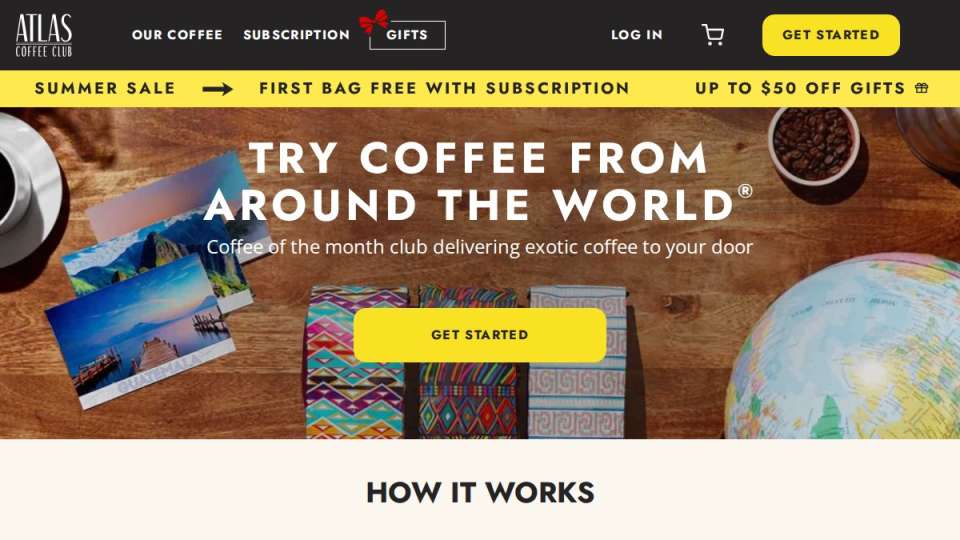
You choose grind type, roast preference, and delivery frequency. The packaging includes a postcard with tasting notes and country information. The trade-off: you don't control which coffee arrives. For people who want discovery without decision fatigue, that's perfect. For people who want consistency or specific flavor profiles, it's frustrating.
Intelligentsia Coffee: Direct Trade Commitment
Intelligentsia pioneered the direct trade movement, building long-term relationships with coffee growers rather than buying through commodity brokers. This sourcing philosophy ensures traceability and fair farmer compensation.
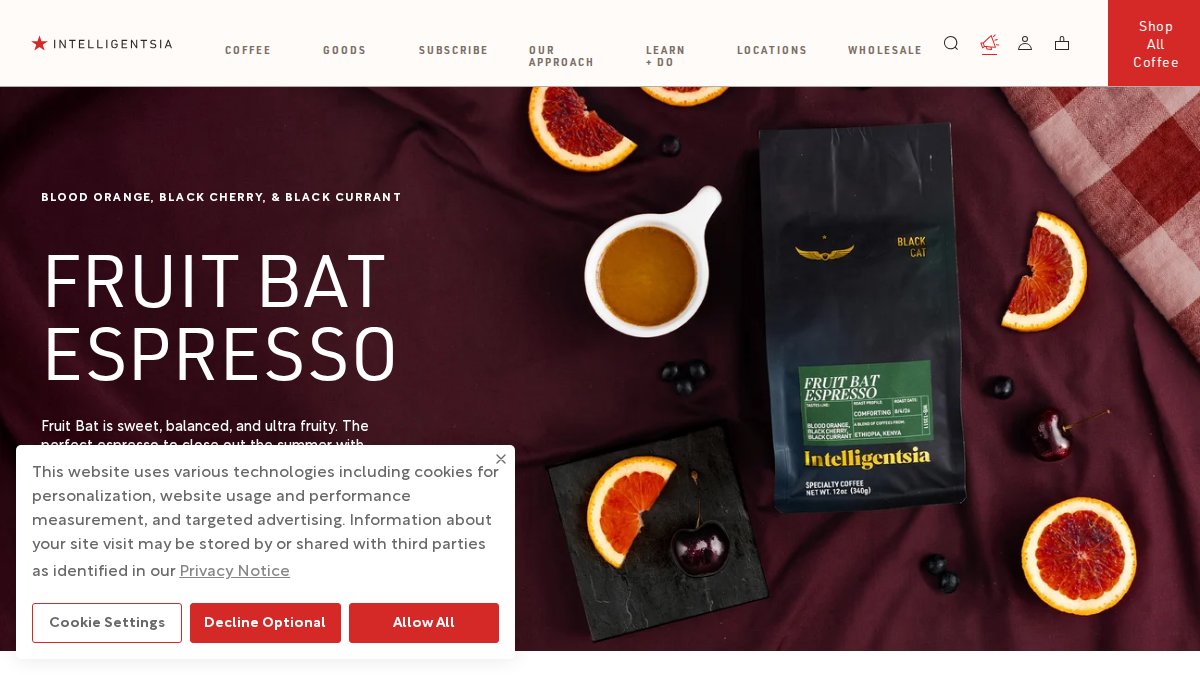
The lineup emphasizes espresso blends alongside single-origins, with flavor profiles often described as sweet and fruity. The subscription service offers significant customization: you select specific coffees rather than receiving a curated rotation, and free shipping removes surprise costs. The espresso blend focus appeals to people who want consistency in their cup.
Stumptown Coffee Roasters: Ethical Sourcing Pioneer
Stumptown created the direct trade model and maintains documented relationships with specific coffee farmers, publishing information about direct trade premiums. For people who care deeply about where their money goes, this matters.
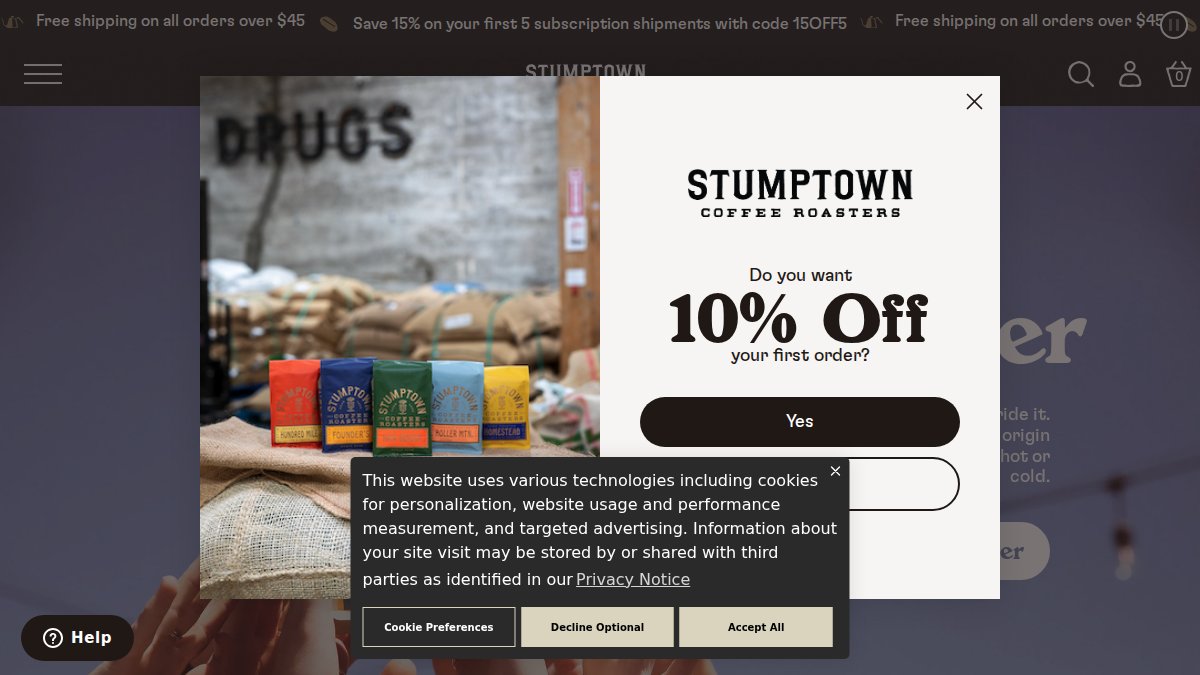
Their signature blends, Hair Bender and Holler Mountain, have cult followings. These carefully balanced blends are designed for consistency and drinkability. Single-origin options rotate seasonally, offering both reliability and discovery. The coffee club subscription offers flexibility, discounts, and member perks.
Stumptown's distribution extends beyond online, so you can sample before subscribing.
Roast Profiles and Flavor Notes Explained
Understanding roast profiles transforms how you evaluate coffee. Light, medium, and dark roasts represent fundamentally different flavor expressions of the same bean.
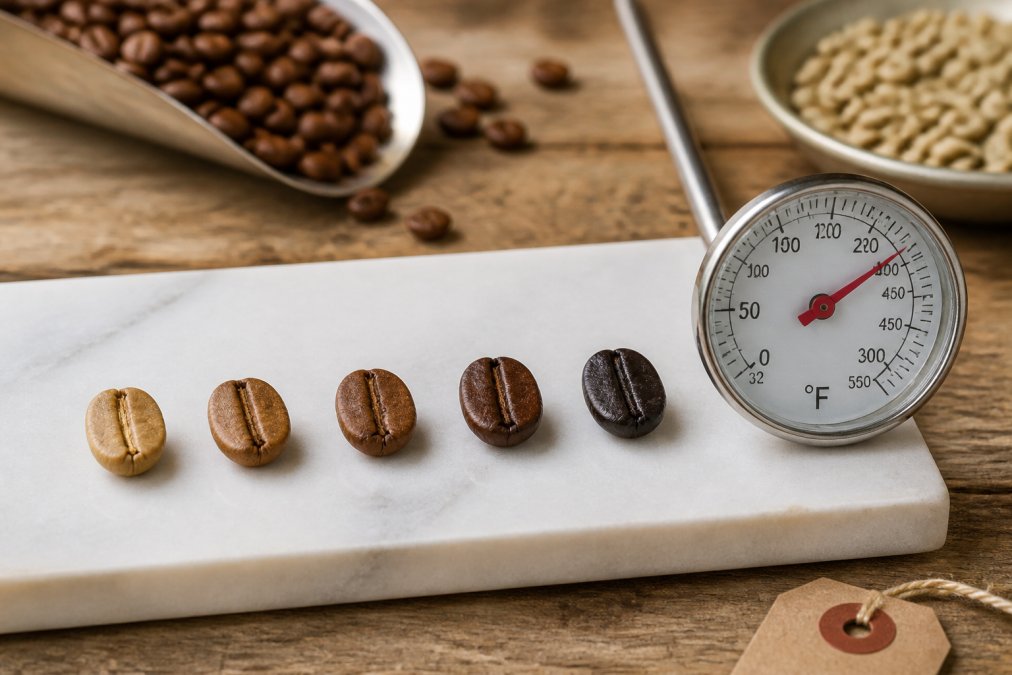
Light roasts preserve origin characteristics. Acidity remains prominent, and you taste terroir, altitude, climate, and soil. Floral notes, citrus, and bright fruit flavors emerge. Light roasts have higher caffeine content and work well with pour-overs where you control extraction precisely (peer-reviewed research).
Medium roasts balance origin character with roasting flavors. Acidity softens slightly. Brown sugar, chocolate, and caramel notes appear alongside fruit and floral elements. Body increases without becoming heavy. Medium roasts work well in drip machines and French presses because they're forgiving.
Dark roasts emphasize roasting flavors over origin. Baking chocolate, dark caramel, and sometimes smoky notes dominate. Acidity drops significantly. Body becomes full and heavy. Dark roasts are often blends and excel in espresso because the heavy body cuts through milk.
The roast date matters more than most people realize. Coffee continues to off-gas CO2 for 24-48 hours after roasting (peer-reviewed research). Beans roasted yesterday taste different from beans roasted two weeks ago. The sweet spot is usually 5-14 days post-roast (peer-reviewed research). When a roaster ships beans roasted to order, you're getting peak flavor.
Cupping scores indicate quality but don't predict whether you'll like the coffee. Scores above 80 indicate high quality, but an 85-point coffee you hate is worse than a 78-point coffee you love.
Subscription Flexibility vs. One-Time Purchases
The subscription versus one-time purchase decision depends on your consumption rate and commitment level. Most people overestimate how much coffee they'll drink.
Subscriptions make sense if you brew daily and finish a bag every two weeks. They ensure you never run out and usually include discounts. The risk: you accumulate unopened bags if life gets busy or your taste changes. This is why subscription cancellation policies matter. A service that makes cancellation frictionless removes the pressure that kills subscriptions.
One-time purchases work if you're experimenting with new roasters. Buy one bag, taste it, decide if you want more. No commitment. The downside is you pay full price.
The hybrid approach, some subscriptions plus occasional one-time purchases, appeals to people who want reliability plus flexibility. Subscribe to one consistent coffee you love, then experiment with single bags from other roasters.
Shipping frequency matters more than price. Monthly subscriptions might seem cheaper per ounce, but if you only drink two cups daily, monthly shipments create stockpile. Biweekly or every-three-weeks options prevent waste. Services that let you adjust frequency month-to-month without penalty address this directly.
Ethical Sourcing and Sustainability Practices
Coffee farming happens in vulnerable ecosystems. Climate change, water scarcity, and price volatility threaten coffee-producing regions. Your sourcing choice shapes whether your coffee habit helps or harms those communities.
Direct trade relationships bypass commodity brokers and connect roasters directly with farmers. The roaster pays above-market prices and maintains long-term relationships. Farmers gain price stability and can invest in sustainable practices. Transparency is built in.
Fair trade certification is a third-party standard. Fair trade cooperatives aggregate small farmers and ensure minimum prices. It's more accessible than direct trade for smaller roasters but offers less direct relationship.
Organic certification indicates beans grown without synthetic pesticides or fertilizers. Organic coffee typically costs more because yields are lower and farming requires more labor.
Single-origin beans create transparency. You know the country, often the region or specific farm. Blends combine beans from multiple origins, which complicates transparency but allows roasters to create consistent flavor profiles.
When you choose a roaster, their sourcing practices reflect their values. USM Coffee sources from trusted farms worldwide with emphasis on quality and freshness. Atlas Coffee Club highlights country-of-origin education. Intelligentsia's direct trade commitment is their defining characteristic. Stumptown's transparent direct trade documentation sets the industry standard.
Your choice matters. A single bag of specialty coffee costs what a week's worth of commodity coffee costs. That premium goes somewhere, either to marketing, profit margins, or the people who grew the beans.
Subscription Cancellation and Flexibility
This is where most subscription services fail, and where USM Coffee's approach stands out. When life happens and you're drowning in unopened bags, the cancellation process should be simple.
Look for these flexibility features: ability to pause without canceling, adjust frequency without penalty, skip shipments, and cancel with a single click. Some services require email to customer support or buried cancellation links that feel intentionally difficult. That friction exists because companies know people abandon subscriptions when annoyed rather than truly wanting to cancel.
The best services assume you might need flexibility and build it in. If a roaster trusts their coffee quality, they shouldn't need to trap you in a subscription. You'll come back if the coffee is good.
One-time purchases eliminate cancellation entirely but sacrifice convenience and usually cost more per ounce. Flexible subscriptions with zero friction give you both benefits.
Choosing a blue bottle coffee alternative comes down to matching your priorities to the right roaster. If you want maximum freshness and subscription flexibility, USM Coffee roasts to order and lets you control everything. If you want discovery without decision fatigue, Atlas Coffee Club curates monthly selections. If ethical sourcing is non-negotiable, Intelligentsia and Stumptown have built their reputations on direct trade relationships.
The specialty coffee market has matured enough that "better than Blue Bottle" isn't a high bar anymore. The real question is which roaster aligns with your values, budget, and brewing habits. Start with one bag from your top choice, brew it properly, and taste the difference that freshness and quality sourcing create.
Frequently Asked Questions
Q: What makes a blue bottle coffee alternative actually better than the original?
A: The best alternatives compete on freshness, sourcing transparency, and roast date. Many specialty roasters, including USM Coffee, roast to order rather than batch-roasting weeks ahead. This preserves aromatic compounds and flavor complexity. Look for services that list roast dates, highlight direct trade or fair trade practices, and offer single-origin or carefully curated blends with documented tasting notes.
Q: How do I choose coffee beans if I don't know my flavor preferences yet?
A: Start by identifying your brewing method, drip coffee, French press, or espresso, since extraction affects flavor. Then try a subscription with variety, like Atlas Coffee Club, which sends different single-origin coffees monthly with tasting notes and origin stories. Pay attention to acidity (bright, citrus-forward), body (light, medium, full), and mouthfeel (smooth, crisp, syrupy) as you sample. This builds your palate without committing to one roaster.
Q: What's the difference between subscription and one-time coffee purchases?
A: Subscriptions offer convenience, freshness guarantees, and often discounts on per-ounce pricing. You receive beans roasted recently and shipped on your schedule. One-time purchases give you control over selection and timing but may cost more per ounce. Many roasters, including Stumptown and Intelligentsia, offer flexible subscriptions with pause and skip options, reducing the risk of overstock.
Q: Why do some roasters emphasize direct trade and sustainability?
A: Direct trade means roasters buy directly from farmers at transparent prices, ensuring fair compensation and quality control. This supports sustainable farming practices and traceability, you can often learn which farm or cooperative grew your beans. Roasters like Stumptown pioneered this model. It typically costs more but guarantees ethical sourcing, better bean quality, and documented supply chain transparency.