

Buy Ethically Sourced Coffee Beans Online: A 2026 Guide
Table of Contents
- What Makes Coffee Ethically Sourced
- Fair Trade Coffee Certifications Explained
- Direct Trade vs Fair Trade Coffee: Which Matters More
- How to Identify Sustainable Coffee Labels and Certifications
- Ethical Coffee Subscription Boxes: Finding Your Match
- Evaluating Supply Chain Transparency and Farmer Impact
- How to Buy Ethically Sourced Coffee: A Practical Checklist
- Conclusion
Last Updated: August 6, 2026
What Makes Coffee Ethically Sourced
Ethically sourced coffee beans prioritize farmer welfare, environmental stewardship, and supply chain transparency. When you buy ethically sourced coffee beans online, you're purchasing beans grown under conditions that respect both people and land.
Ethical sourcing rests on three pillars: fair compensation for farmers, sustainable farming practices, and verifiable traceability from farm to cup. Conventional coffee farming often relies on monoculture practices that deplete soil, pesticide-heavy cultivation that harms ecosystems, and pricing structures that leave farmers earning less than production costs.
At USM Coffee, we source our beans from trusted farms worldwide, ensuring that every batch reflects genuine ethical commitment.
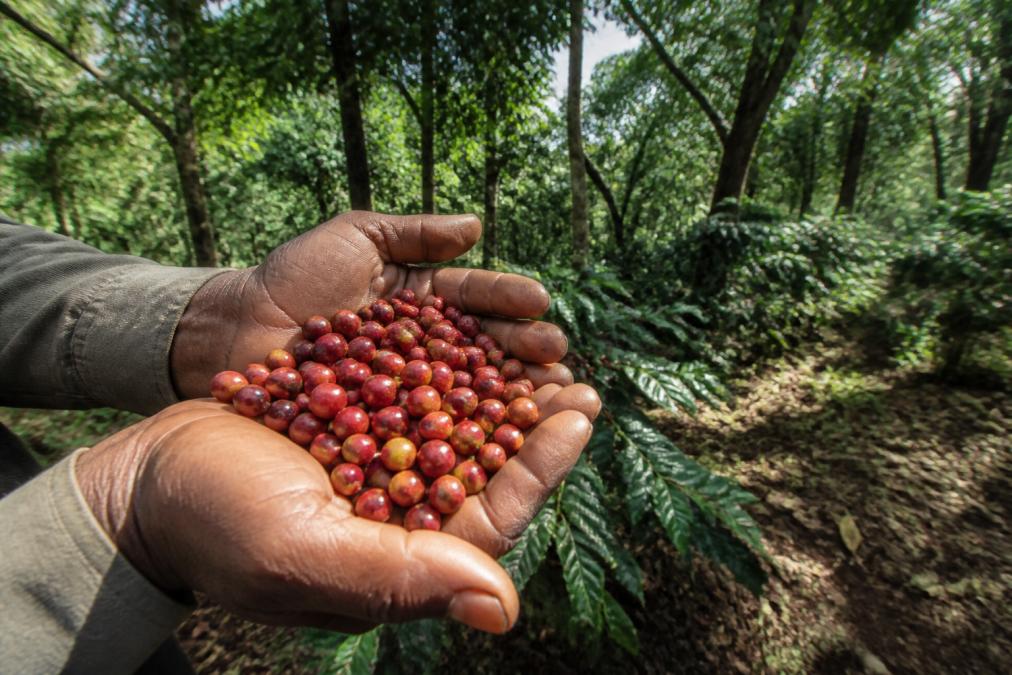
Ethically sourced coffee tastes different. Shade-grown arabica beans develop more complex flavor profiles because they mature slowly under forest canopy. Farmers investing in soil health and sustainable methods produce higher-quality beans.
Fair Trade Coffee Certifications Explained
Fair Trade Certified coffee guarantees minimum prices and working conditions for farmers. The Fair Trade label signals that farmers received at least the Fair Trade Minimum Price (currently around $1.40 per pound for conventional beans), workers had safe conditions, and environmental standards were maintained.
Fair Trade certification emerged in the 1980s to address commodity coffee prices that often fell below production costs. The system establishes a price floor, ensuring farmers earn sustainable income regardless of market fluctuations and incentivizing long-term investment in quality and sustainability.
Fair Trade USA's certification standards outline rigorous requirements covering labor practices, environmental protection, and community development. Certified cooperatives must demonstrate democratic governance, safe working conditions, and prohibition of child labor.
However, Fair Trade certification involves trade-offs. The certification process includes fees that smaller farms struggle to afford, potentially excluding the most vulnerable producers. Some critics argue the minimum price doesn't always reflect the true cost of sustainable farming or account for regional living expense differences.
Direct Trade vs Fair Trade Coffee: Which Matters More
Direct trade and fair trade represent fundamentally different approaches to ethical sourcing. Fair Trade operates through established certification systems and minimum price guarantees. Direct trade involves roasters building personal relationships with specific farms and negotiating prices based on bean quality and farmer needs, often significantly above Fair Trade minimums.
Direct trade practitioners argue this model creates stronger incentives for quality improvement. When roasters pay premiums tied to cup score and environmental practices, farmers earn more by investing in better cultivation. Fair Trade's standardized approach, critics contend, treats all certified farms identically regardless of actual practices or quality.
Fair Trade defenders counter that direct trade relationships exclude the majority of coffee farmers lacking access to direct buyer networks. Fair Trade's certification infrastructure democratizes ethical sourcing, ensuring even remote cooperatives access premium markets.
For consumers buying ethically sourced coffee beans online: direct trade coffees typically cost more but deliver exceptional flavor alongside documented farmer impact. Fair Trade coffees offer reliable ethical standards at more accessible price points.
How to Identify Sustainable Coffee Labels and Certifications
Understanding coffee certifications requires knowing what each label guarantees. The most recognized certifications, Fair Trade, Organic, Rainforest Alliance, and Bird Friendly, each measure different aspects of sustainability and ethics.
USDA Organic certification verifies beans were grown without synthetic pesticides, herbicides, or fertilizers, protecting soil health and preventing chemical runoff. Organic farming requires more labor and produces lower yields than conventional methods, which is why organic coffee costs more.
Smithsonian Bird Friendly certification ensures shade-grown cultivation that preserves forest habitat for migratory birds. These farms maintain diverse tree canopy, supporting ecosystem health while producing beans with distinctive flavor profiles.
Rainforest Alliance certification evaluates environmental, social, and economic sustainability across farm operations, covering soil and water conservation, wildlife protection, worker rights, and community development.
Carbon Neutral certifications verify that roasters have measured and offset emissions from production, roasting, and shipping through renewable energy adoption or carbon credits.
When you buy ethically sourced coffee beans online, prioritize certifications aligning with your specific values. If environmental impact matters most, Bird Friendly and Organic certifications matter more than Fair Trade pricing. If farmer welfare is your priority, Fair Trade certification combined with direct trade verification provides stronger guarantees.
Rainforest Alliance certification criteria details their comprehensive sustainability standards.
Ethical Coffee Subscription Boxes: Finding Your Match
Coffee subscription services have become the primary channel for consumers buying ethically sourced coffee beans online, offering convenience alongside curated selections from ethical roasters. The subscription model works particularly well for ethical coffee because it enables roasters to build sustainable relationships with farmers through predictable volume commitments.
Quality subscription services curate single-origin coffees from different regions monthly, educating subscribers about origin characteristics and farming practices. However, subscription services present a genuine risk: overcommitment leading to waste. Assess your actual consumption honestly before subscribing.
The best ethical subscription services offer flexible customization: adjustable frequency, ability to skip months, easy cancellation, and choice of roast profiles.
USM Coffee offers fresh roasted beans delivered on your schedule, with sourcing transparency and flexible ordering that prevents the subscription waste many consumers experience.
Evaluating Supply Chain Transparency and Farmer Impact
The most meaningful distinction between ethical coffee roasters lies in supply chain transparency: how much information they share about where beans originate, who grows them, and how farmers benefit.
Roasters serious about ethical sourcing publish specific information: farm names, cooperatives, GPS coordinates, farmer quotes, and payment details. This documentation allows verification of claims.
Roasters prioritizing transparency typically share:
- Specific farm or cooperative names
- Origin region and elevation details
- Processing method and fermentation approach
- Farmer payment amounts or pricing formulas
- Sustainability practices implemented
- Impact metrics: trees planted, water conserved, soil health improvements
Specialty Coffee Association standards for traceability define best practices for supply chain documentation and farmer relationship verification.
When evaluating roasters online, request detailed sourcing information before purchasing. Responsive roasters provide comprehensive answers; evasive responses suggest lower commitment to transparency.
The economic reality: transparency costs money. Roasters maintaining direct farmer relationships and publishing detailed sourcing information necessarily charge more than competitors offering minimal documentation.
How to Buy Ethically Sourced Coffee: A Practical Checklist
Purchasing ethically sourced coffee beans online requires evaluating multiple factors simultaneously. This checklist helps you assess roasters and make purchasing decisions aligned with your ethical priorities.
Before Purchasing:
- Identify your primary ethical priority: farmer welfare, environmental impact, or both
- Determine your budget range (ethical coffee costs more)
- Assess your consumption rate (avoid subscription volumes you won't finish)
- Research the roaster's sourcing transparency and farmer relationships
- Read customer reviews specifically about freshness and flavor quality
Evaluating Certifications:
- Look for multiple certifications (Fair Trade + Organic + Bird Friendly indicates serious commitment)
- Verify certifications on official certification body websites
- Understand what each certification actually guarantees
- Check certification currency (expired certifications indicate inactive status)
Assessing Supply Chain Information:
- Find specific farm or cooperative names and locations
- Look for farmer quotes or stories in product descriptions
- Check if roaster publishes payment information or pricing formulas
- Verify that sourcing claims are consistent across product descriptions
- Request additional information if details are vague or missing
Making Your Purchase:
- Choose whole bean over pre-ground (retains flavor longer)
- Select roast date within 2 weeks of purchase (fresher equals better flavor)
- Start with smaller quantities if trying a new roaster
- Confirm delivery timeframe matches your consumption rate
- Review return or satisfaction guarantees before committing to subscriptions

Conclusion
Buying ethically sourced coffee beans online means navigating competing certifications, supply chain claims, and pricing that reflects genuine impact. Ethical sourcing reverses the coffee industry's historical extraction: farmers earn sustainable income, environmental practices improve soil and biodiversity, and you receive superior flavor.
USM Coffee delivers fresh roasted beans from trusted farms worldwide, roasted to order to ensure maximum flavor and aroma in every cup. Our simple ordering process and fast, reliable delivery remove friction from ethical purchasing, making it genuinely convenient to support better farming practices without sacrificing quality or taste.
Frequently Asked Questions
What does it mean for coffee to be ethically sourced?
Ethically sourced coffee means the beans are produced with fair wages for farmers, sustainable environmental practices, and transparent supply chains. It prioritizes the welfare of small-scale farmers and their communities while protecting biodiversity and soil health. Certifications like Fair Trade, Direct Trade, and organic verify these practices. The goal is ensuring farmers earn living wages, not just meeting minimum prices, and that production methods preserve ecosystems for future generations.
What is the difference between fair trade and direct trade coffee?
Fair Trade Certified coffee uses third-party verification and sets minimum prices for farmers through established cooperatives. Direct Trade coffee eliminates middlemen by connecting roasters directly with farmers, often paying higher prices but without formal certification. Fair Trade offers standardized protections and broader market access for small cooperatives. Direct Trade typically means higher farmer payments but requires more buyer involvement in sourcing and verification. Both prioritize farmer welfare, but Fair Trade provides certification transparency while Direct Trade emphasizes personal relationships and premium pricing.
Are there specific certifications to look for when buying ethically sourced coffee beans?
Yes. Look for Fair Trade Certified, USDA Organic, Rainforest Alliance, and Smithsonian Bird Friendly certifications. Fair Trade guarantees minimum prices and community investment. USDA Organic ensures pesticide-free farming and soil health. Rainforest Alliance protects biodiversity and worker rights. Bird Friendly certification indicates shade-grown coffee that preserves bird habitats. Some roasters combine multiple certifications for stronger ethical standards. Check the bag's label for these seals and verify certifications on the issuing organization's website to ensure legitimacy.
How do I know if an ethical coffee subscription box is worth the cost?
Evaluate subscription boxes by checking their sourcing transparency, certifications, and farmer relationships. Quality boxes provide detailed information about coffee origins, processing methods, and the farms they source from. Compare the per-bag cost to single purchases and calculate whether subscription discounts offset shipping fees. Read customer reviews about consistency and ease of cancellation. Verify that the roaster pays farmers above fair trade minimums or uses direct trade relationships. Request their sourcing policies and impact reports before committing to a subscription.