

Trade Coffee Alternatives for Small Roasters
Table of Contents
- How Coffee Subscriptions Work for Small Roasters
- Best Coffee Subscription for Small Roasters
- How to Choose a Coffee Subscription Service
- Coffee Subscription Pricing Models Explained
- Comparison of Top Alternatives
- Common Mistakes in Subscription Management
- Conclusion
Last Updated: August 15, 2026
How Coffee Subscriptions Work for Small Roasters
A coffee subscription model connects independent roasters directly to consumers through recurring delivery programs, eliminating retail shelf space requirements and large upfront inventory commitments. Subscriptions provide predictable revenue and customer loyalty that traditional wholesale channels rarely offer. Customers choose delivery intervals, weekly, biweekly, or monthly, and roasters fulfill orders through their own fulfillment or third-party platforms.
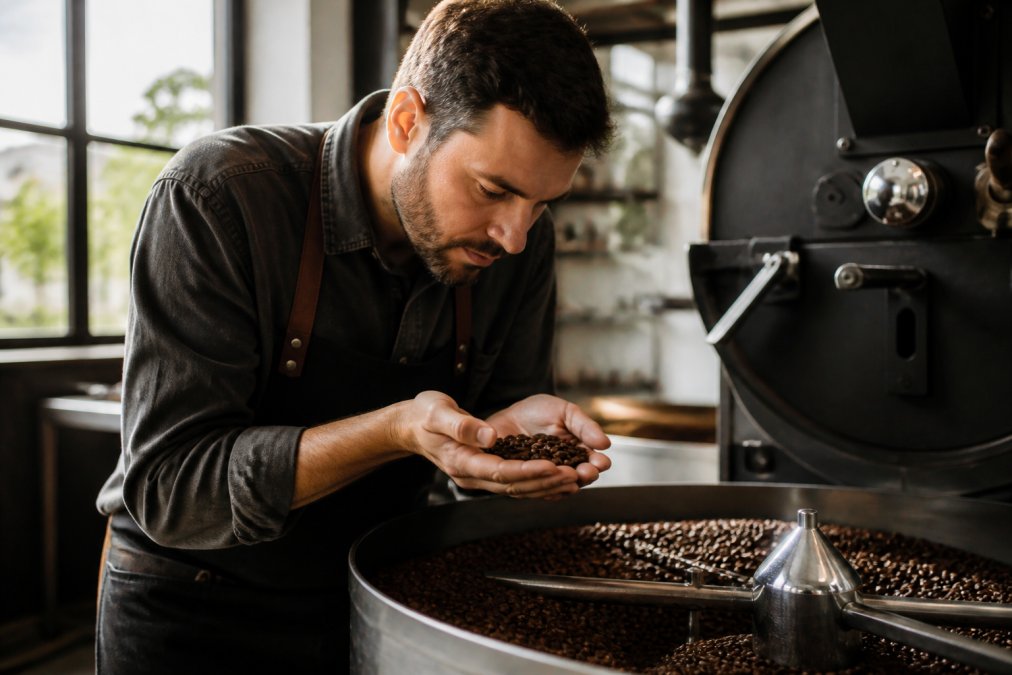
Small roasters gain access to customer data, feedback, and repeat purchasing patterns that inform roasting decisions. They can test seasonal blends and build community without competing for shelf space against established players. However, multiple pathways exist with distinct trade-offs: direct-to-consumer subscriptions offer full control over pricing and branding; aggregator platforms like MistoBox handle customer acquisition but take commission; dropship and wholesale partnerships let roasters focus on roasting while outsourcing fulfillment.
Best Coffee Subscription for Small Roasters
The best solution depends on whether you prioritize control, growth, or operational simplicity. Direct-to-consumer subscriptions maximize brand ownership but demand investment in technology and fulfillment. Aggregator platforms reduce that burden but dilute brand identity. Dropship models eliminate fulfillment but sacrifice margin and direct customer contact.
Direct-to-Consumer vs. Aggregator Models
Direct-to-consumer subscriptions position your roastery as the primary brand. You own the customer relationship, data, and pricing power. The trade-off is operational complexity: you manage customer acquisition, payment processing, subscription logic, and fulfillment.
Aggregator platforms like MistoBox operate as curated marketplaces, sourcing from 60+ independent roasters and matching consumers based on preference quizzes. This model offers immediate access to customers without building your own marketing engine. Commission structures typically range from 20-30% of the bag price.
According to Specialty Coffee Association research on direct trade, direct relationships between roasters and consumers produce higher perceived quality and willingness to pay premium prices. However, this advantage only materializes if consumers know your roastery exists.
Roaster Control and Brand Visibility
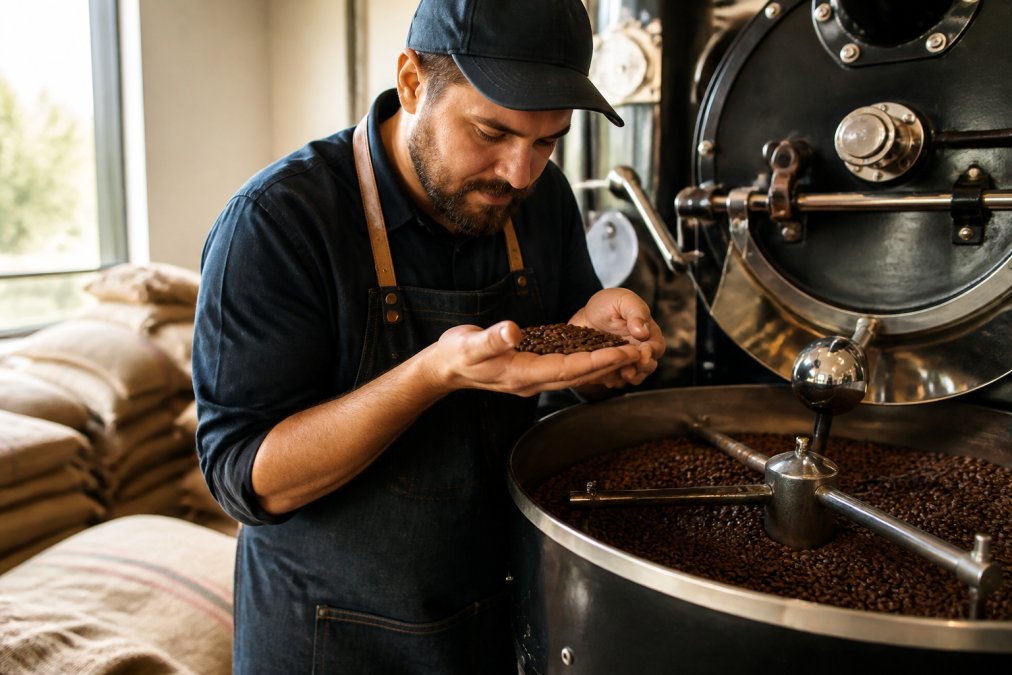
Direct-to-consumer gives you complete control over positioning, pricing, and presentation. Aggregator platforms standardize presentation using templates, compressing your roastery's unique voice into a standardized format.
A small roaster with strong local presence or engaged social media following may thrive on a direct model. A roaster in a smaller market with limited brand awareness might benefit from MistoBox's customer acquisition engine, even with the commission hit.
How to Choose a Coffee Subscription Service
Selecting the right model requires assessing three dimensions: operational capacity, brand strength, and target customer profile.
Operational capacity determines whether you can manage fulfillment, customer service, and technology. Brand strength reflects how well customers know your roastery. Target customer profile shapes which model fits: coffee enthusiasts seeking discovery gravitate toward MistoBox and Atlas Coffee Club, while customers loyal to specific roasters prefer direct subscriptions.
Freshness and Roast-to-Order Guarantees
Freshness separates specialty coffee subscriptions from commodity models. A roast date within 7-10 days of arrival signals commitment to quality. Roast-to-order models guarantee maximum freshness but require operational precision.
MistoBox ships directly from participating roasters, ensuring roast-to-order freshness. Atlas Coffee Club sources from their network and ships within days of roasting. Dropship platforms like Roastify and Temecula Coffee Roasters also operate on roast-to-order models.
Sustainability and Ethical Sourcing
Consumers choosing specialty coffee subscriptions increasingly care about sourcing transparency. Direct-to-consumer subscriptions let you tell this story directly. Aggregator platforms present a challenge: your roastery's sourcing story gets diluted within their broader messaging. If sourcing transparency is your competitive advantage, a direct-to-consumer model makes more sense.
Coffee Subscription Pricing Models Explained
Three dominant pricing structures shape the landscape: per-bag pricing, dropship margin models, and wholesale purchasing.
Per-Bag vs. Dropship vs. Wholesale Pricing
Per-bag pricing is what consumers pay directly. MistoBox bags can range from approximately $10.16 to $22.95 per 12oz bag, plus shipping. Atlas Coffee Club bags can range from $9 for a half bag (6 oz) to $28 for a double bag (24 oz), plus a shipping fee of around $4.95 per bag.
Dropship models work differently. You set a wholesale cost that the platform uses to calculate retail price. You only pay for product when orders ship, eliminating inventory risk. The trade-off is lower margin: you're selling at wholesale prices, not retail.
Wholesale purchasing applies when buying green beans from suppliers like Showroom Coffee or Sustainable Harvest. You purchase in bulk, typically 36-pound boxes minimum, and handle all roasting and fulfillment yourself.
A direct-to-consumer subscription at $18 per bag might net you $8-10 after fulfillment costs. A dropship arrangement at $12 wholesale might net you $6-8 per bag. A wholesale green bean purchase at $4 per pound might net you $10-12 per roasted bag if efficient.
Hidden Costs and Margin Impact
Direct-to-consumer subscriptions hide costs in fulfillment infrastructure. Packaging costs $1-2 per bag. Shipping runs $4-6 for a single bag. Payment processing takes 2-3%. Subscription management software costs $50-200 monthly. These costs compress margins significantly.
Aggregator platforms hide costs in commission, typically 20-30% of bag price. Dropship platforms hide costs in wholesale pricing. Green bean suppliers are transparent about per-pound pricing, but your hidden cost is roasting labor, equipment maintenance, and fulfillment infrastructure.
Comparison of Top Alternatives
| Platform | Model | Best For | Freshness Guarantee |
|---|---|---|---|
| USM Coffee | Direct-to-Consumer | Roasters with established brand | Roast-to-order |
| MistoBox | Aggregator Marketplace | Discovery-focused consumers | Roast-to-order from roaster |
| Atlas Coffee Club | Curated Subscription | Single-origin enthusiasts | 7-10 days post-roast |
| Roastify | Dropship | Brands seeking low risk | Roast-to-order |
| Temecula Coffee Roasters | Dropship | Private label brands | Demand-driven roasting |
| Showroom Coffee | Green Bean Supplier | Roasters managing own fulfillment | N/A (wholesale only) |
| Sustainable Harvest | Green Bean Supplier | Ethically-sourced focus | N/A (wholesale only) |
USM Coffee: Direct-to-Consumer Excellence
USM Coffee operates a direct-to-consumer model, roasting every batch to order to ensure maximum flavor and character. The roastery sources beans from trusted farms worldwide and manages its own fulfillment, giving it complete control over the customer experience. Pricing depends on quantity, dates, and delivery. Please visit our website for current prices.
The operational investment is substantial. Managing customer service, subscription changes, and fulfillment infrastructure demands significant time and capital. For roasters without existing customer relationships or brand recognition, acquisition costs can be prohibitive.
MistoBox: Curated Marketplace Model
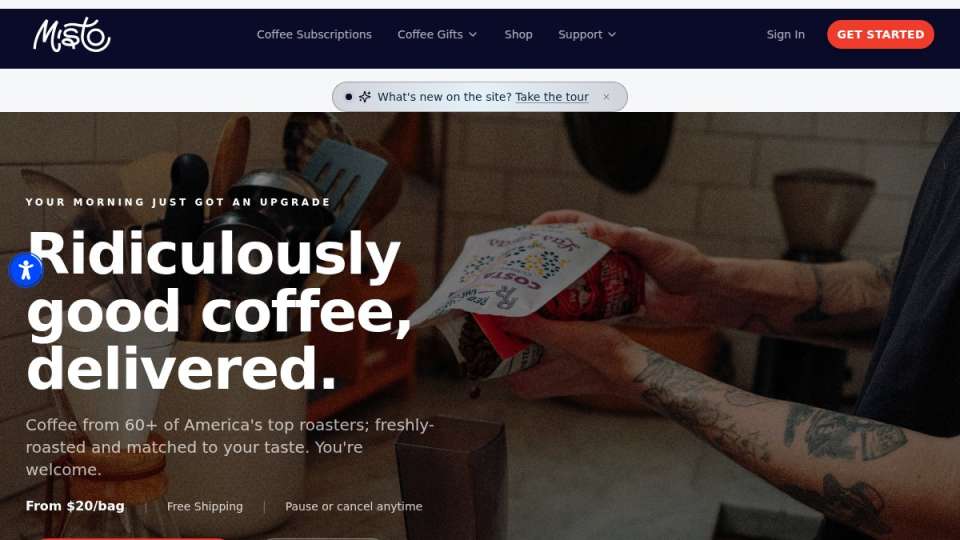
MistoBox connects consumers with over 60 independent roasters through a curated marketplace. The platform uses a personalized matching quiz to recommend coffees based on taste preferences. Roasts ship directly from participating roasters, ensuring freshness. For small roasters, MistoBox offers immediate access to a customer base without building marketing infrastructure. The trade-off is brand dilution and commission structures typically ranging from 20-30%, compressing margins.
Atlas Coffee Club: Single-Origin Focus
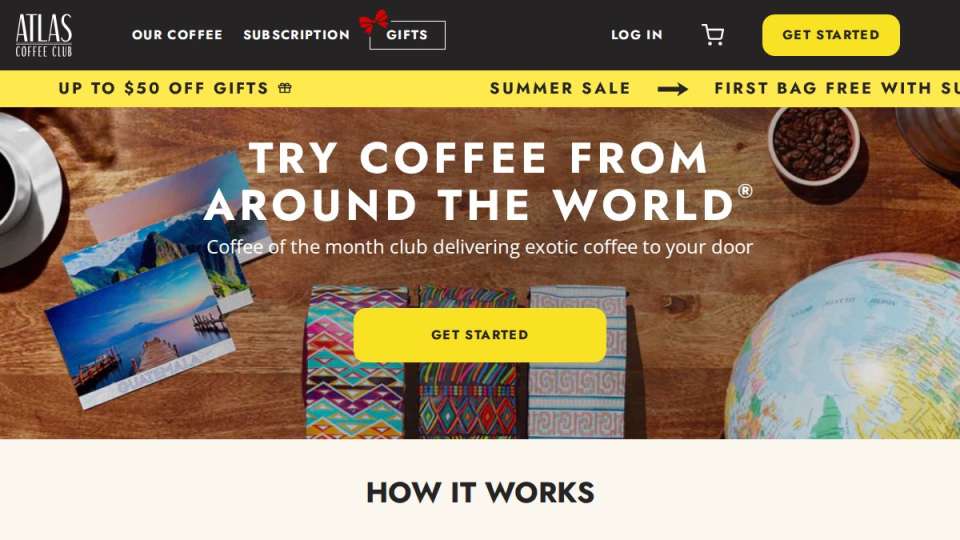
Atlas Coffee Club curates single-origin coffees from around the world, delivering a different origin monthly with detailed flavor notes and sourcing information. All coffees exceed the Specialty Coffee Association's 80-point standard. For small roasters, this model works for producing distinctive single-origins, though your roastery's brand doesn't appear in the subscription.
Roastify: Dropship Platform for Branded Subscriptions
Roastify enables businesses to launch branded coffee subscriptions without managing inventory or fulfillment. The platform offers 100% customizable packaging with full-color printing, no startup fees, and no minimum orders. Integration with Shopify, Printify, and Fourthwall makes setup straightforward. You only pay for coffee when orders ship, eliminating inventory risk. Roastify also offers instant coffee packs and single-serve coffee pods through its Pro Membership.
Temecula Coffee Roasters: Demand-Driven Dropship Model
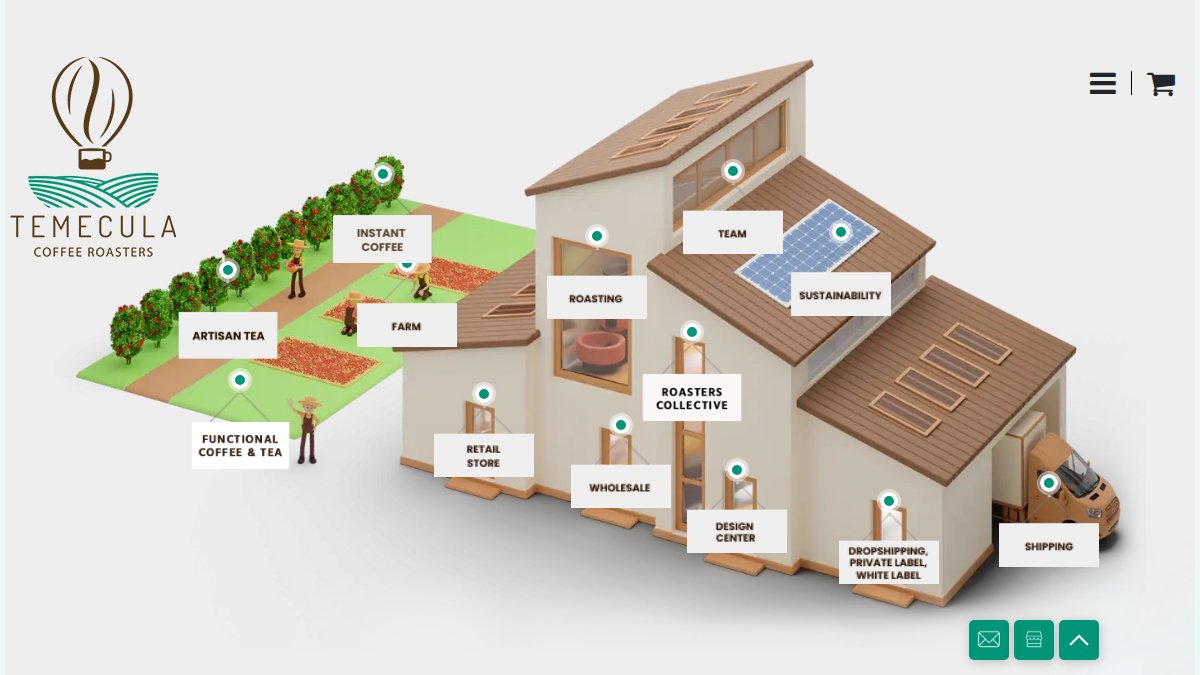
Temecula Coffee Roasters provides small-batch, handcrafted coffees through private label and white label services. The roastery emphasizes transparent pricing with no hidden shipping costs or monthly fees. Roasting follows customer demand, ensuring freshness. They offer over 46 specialty-grade coffee offerings, including single-origin, blended, flavored, and green coffee, available in various sizes and grinds. Temecula Coffee Roasters also offers a monthly subscription service that delivers a micro-lot coffee from a different country each month.
Showroom Coffee: Direct Green Bean Sourcing
Showroom Coffee, operated by Crop to Cup Coffee Importers, sells specialty green coffee beans directly to roasters. Offerings range from 2-pound samples to full bags. For small roasters managing their own fulfillment, Showroom Coffee provides direct access to quality green beans without middlemen. Free shipping applies to orders of 40+ pounds. Showroom Coffee also sells roasting equipment and lab supplies.
Sustainable Harvest: Ethical Green Bean Sourcing
Sustainable Harvest specializes in ethically sourced Relationship Coffees with 85+ cup scores. The platform emphasizes transparency and direct relationships with growers. Coffees are packaged in 36-pound boxes with new offerings added every two to three weeks. For roasters prioritizing ethical sourcing as a competitive advantage, Sustainable Harvest provides a supply chain aligned with that value. Sustainable Harvest also offers sourcing services like forward booking, a Most Valuable Producer (MVP) Program, and product development assistance.
Common Mistakes in Subscription Management
Small roasters launching subscriptions frequently stumble on predictable problems.
Underestimating fulfillment complexity is the most common error. Direct-to-consumer subscriptions appear simple until you're managing 200 subscriber accounts, handling address changes, processing refunds, and responding to customer service emails. Budget 10-15 hours weekly for 200 subscribers.
Overcommitting to freshness guarantees creates operational strain. If you promise roast-to-order within 48 hours, you're committing to roasting on a specific schedule regardless of demand fluctuations.
Neglecting inventory management leads to cash flow problems. Subscription revenue looks predictable until customers cancel or orders skip. Implement a system for tracking subscriber churn and adjusting purchasing accordingly.
Pricing below true cost is surprisingly common. Calculate all costs before launching, then price accordingly.
Ignoring customer retention data means you're flying blind. Track which customers churn after one order and which stay for 12+ months. According to Coffee Association research on subscription retention, roasters with clear communication about roast dates, flavor profiles, and sourcing information see 25-30% higher retention rates than those with generic product descriptions.
Conclusion
Choosing a coffee subscription model requires honest assessment of your operational capacity, brand strength, and growth ambitions. Direct-to-consumer subscriptions maximize control and margin but demand significant operational investment. Aggregator platforms reduce complexity but dilute brand identity. Dropship models eliminate fulfillment burden but compress margins. Green bean suppliers offer maximum margin potential but require you to manage roasting and fulfillment.
Start by calculating your true per-unit costs across all models. Then choose the one that aligns with your capacity and ambitions. The subscription landscape offers multiple paths to success; the key is selecting the one you can execute consistently.
Frequently Asked Questions
What makes a coffee subscription service better for small roasters than Trade Coffee?
The best coffee subscription for small roasters prioritizes direct roaster relationships, transparent sourcing, and fair margins. Unlike aggregator models, platforms that emphasize roaster partnerships, such as those offering dropship fulfillment or direct-to-consumer support, allow small roasters to maintain brand control and receive a larger share of revenue. Look for services that highlight roaster transparency, roast-to-order freshness, and direct farmer relationships rather than centralizing all sourcing through one company.
How do coffee subscription pricing models affect roaster profitability?
Coffee subscription pricing models vary significantly. Commission-based marketplaces (typically 20-40% margin cut) work well for roasters seeking customer access without fulfillment overhead. Dropship models charge per order with no upfront costs, giving you control over pricing. Wholesale pricing for green beans offers the lowest per-unit cost but requires you to handle roasting and shipping. Direct-to-consumer subscriptions maximize margins but demand your own customer acquisition and fulfillment infrastructure. Compare your expected order volume against each model's fee structure to determine profitability.
What's the difference between roaster-direct subscriptions and marketplace aggregators?
Roaster-direct subscriptions (like MistoBox) connect consumers to independent roasters who roast and ship directly, preserving freshness and roaster brand identity. Marketplace aggregators source from multiple roasters but control the customer relationship and branding. Direct models give roasters full control over their product narrative, tasting notes, and customer communication, but require individual customer acquisition. Aggregators handle marketing and customer matching but limit your direct brand exposure and typically take a commission. Choose based on whether you prioritize direct customer relationships or broader market reach.
How do I know if a coffee subscription service actually supports ethical sourcing?
Verify ethical sourcing through specific claims: look for direct trade certifications, named farm partnerships, and transparency about farmer pay. Platforms like Sustainable Harvest publish detailed sourcing information and relationship-driven practices. Ask whether the service publishes tasting notes that identify origin, altitude, and processing methods, this transparency signals genuine sourcing relationships. Check for third-party certifications such as Fair Trade or Rainforest Alliance. Be wary of vague language like 'ethically sourced' without specific farm names or payment disclosures. Contact roasters directly to confirm their sourcing practices and farmer relationships.