

Trade Coffee Alternatives for Variety
Table of Contents
- Why Coffee Drinkers Look Beyond Trade Coffee
- Best Coffee Subscription for Variety: Your Top Alternatives
- Coffee Subscription Frequency: Finding Your Delivery Rhythm
- Coffee Subscription vs Buying Direct: Which Approach Wins
- Comparison: Roast Profiles, Sourcing, and Flexibility
- Managing Subscription Fatigue and Variety Overload
- Conclusion
Last Updated: August 24, 2026
Why Coffee Drinkers Look Beyond Trade Coffee
Coffee enthusiasts who've built their routines around a single subscription often hit a wall. The familiar beans start to feel predictable. The roast profiles blur together. What once felt like discovery becomes routine, and routine breeds complacency.
This is where the search for a coffee subscription variety alternative begins. It's not that Trade Coffee fails, it's that variety-seeking drinkers need something different. They want to explore single-origin coffees from different regions, test unfamiliar roast profiles, or discover roasters they've never encountered. They want control over what arrives, not just consistent quality.
The good news: several specialized services exist specifically to solve this problem. Some focus on blind tastings to train your palate. Others let you build a personal queue from hundreds of roasters. A few emphasize sustainable sourcing and farmer connections. Each takes a different approach to the core challenge: how to deliver genuine variety without overwhelming the subscriber.
Understanding what each service does, and where it excels, helps you choose the right fit for how you actually drink coffee. This guide breaks down the best alternatives, what makes them different, and which one matches your priorities.
Best Coffee Subscription for Variety: Your Top Alternatives
When variety is your priority, these five services each take a distinct approach to keeping your coffee rotation fresh and interesting.
Driftaway Coffee: Single-Origin Explorer
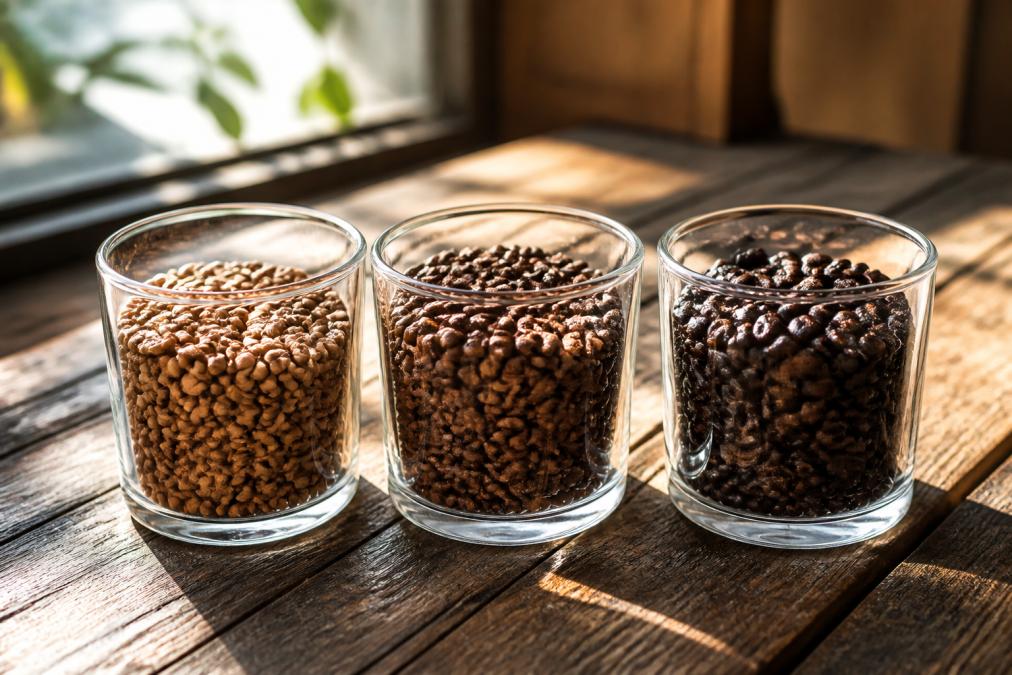
Driftaway Coffee specializes in single-origin coffees paired with education. The service starts with a taste profiling step, the "Coffee Explorer Box" sends five international coffees with undisclosed origins, helping you identify your actual preferences rather than relying on guesses.
What sets this apart is the transparency around sourcing. Driftaway emphasizes farmer connections and above fair-trade wages, so you know where your money goes (fairtrade.net). The company also offers virtual coffee tastings, turning a subscription into an active learning experience rather than passive delivery.
The subscription flexibility is substantial. You can adjust delivery frequency, choose specific origins, or request particular roast profiles. If you want to explore Ethiopian naturals one month and Colombian washed beans the next, the system accommodates that without friction.
Pricing starts around $12 per 7-ounce bag for month-to-month subscribers, though customization and origin selection can push costs higher. The plastic-free packaging and carbon-neutral operations appeal to environmentally conscious drinkers. This works best for coffee enthusiasts who view their subscription as an educational journey, not just a convenience play.
Angel's Cup: Blind Tasting for Palate Training
Angel's Cup takes the opposite approach to discovery. Instead of telling you what you're drinking, it deliberately hides the information.
The blind tasting format sends small, unlabeled samples from a rotating network of over 200 roasters. You taste, take notes, and log your impressions in the mobile app. Then you compare your notes to what the roastmaster actually tasted. Over time, this trains your palate to identify flavor characteristics independently of marketing language or brand reputation.
The variety here is massive, Angel's Cup sources from 500+ different coffees annually. If you want exposure to roasters and origins you've never heard of, this service guarantees it. The app gamifies the experience, letting you track your progress and see how your palate develops.
The trade-off is sample size. These are tasting portions, not full bags for daily drinking. If you need coffee to fuel your morning routine, Angel's Cup works best as a supplementary subscription, not your primary source. Monthly costs range from $50 to $200 depending on which tier you choose, making it a commitment for serious enthusiasts.
Crema.co: Build Your Brew Queue
Crema.co functions as a coffee marketplace with subscription infrastructure. The core feature is the "Brew Queue", a playlist of coffees you curate, which then delivers on your chosen schedule.
The selection is extensive. You browse coffees from top specialty roasters, filter by roast level, geography, certification, or tasting notes, and add what appeals to you. When your queue is ready, Crema ships directly from the roasters, guaranteeing freshness through roasted-to-order fulfillment.
The control is the main draw. Unlike curated subscriptions that make choices for you, Crema puts the decision-making in your hands. Want to try three single-origins and one blend this month? Done. Next month, all experimental natural-process coffees? You build it.
Free shipping on all orders removes a friction point. Pricing varies by bean and roaster, starting around $15 monthly for individual bags. The downside is that pre-ground options are limited depending on the roaster, so whole bean preference is assumed. This service suits drinkers who know what they want and value control over curation.
Bean Box: Curated Roaster Discovery
Bean Box takes a middle path between curation and choice. The service features coffees from over 600 roasters, primarily small-batch producers, with curated sampler boxes and subscription options.
The variety comes through roaster diversity, not just bean selection. You're exposed to different roasting philosophies, regional focuses, and flavor priorities. Bean Box also offers customizable grind options and flexible delivery frequency, so you can adjust for your brewing method and consumption pace.
The subscription model includes tasting flights and sampler boxes, which work well for drinkers who want to explore without committing to full bags of unfamiliar coffees. The company ships quickly from Seattle, prioritizing freshness.
Pricing starts around $18 monthly, making it accessible for beginners and experienced drinkers alike. The breadth of roasters is a strength for variety-seekers, though some users find the curation less personalized than competitors. This works well for people building their coffee knowledge and wanting exposure to many different roasting approaches.
USM Coffee: Fresh-Roasted Direct
USM Coffee approaches the variety challenge through careful sourcing and roast-to-order fulfillment. The service sources beans from trusted farms worldwide, then roasts every batch to order to ensure maximum flavor and aroma.
The key advantage is freshness combined with intentional variety. By roasting to order rather than stocking pre-roasted inventory, USM Coffee delivers beans at their peak. The sourcing philosophy means you get access to single-origins and blends selected for quality and distinctiveness, not commodity availability.
Beyond coffee, USM Coffee also offers teas and coffee-inspired apparel, creating a lifestyle angle that appeals to drinkers who view coffee as part of a broader daily ritual. The simple ordering process and fast, reliable delivery remove friction from the subscription experience.
For variety-focused drinkers, USM Coffee's combination of careful sourcing, roast-to-order freshness, and straightforward delivery makes it a strong choice for consistent quality with genuine flavor character in every cup.
Coffee Subscription Frequency: Finding Your Delivery Rhythm
How often you receive coffee matters more than most drinkers realize. Too frequent, and you accumulate inventory faster than you consume it. Too infrequent, and you're left with stale beans between shipments.
Most specialty coffee subscriptions arrive monthly by default, but flexibility is increasingly standard. Driftaway Coffee, Crema.co, and Bean Box all let you adjust delivery frequency without penalty. Some services offer biweekly or quarterly options.
The math is straightforward: calculate your weekly consumption, then choose a delivery schedule that keeps your inventory fresh but not excessive. A household drinking two cups daily consumes roughly 7-10 ounces per week (peer-reviewed research). A monthly shipment of 12 ounces arrives fresh and depletes within two weeks, leaving a two-week gap. Biweekly delivery eliminates that stale-bean problem.
Subscription fatigue happens when frequency outpaces consumption. Drinkers end up with a closet full of unopened bags and guilt about the commitment. The services that excel at variety management, particularly Crema.co with its queue system, let you pause or adjust without friction, which matters for sustainable long-term engagement.
Coffee Subscription vs Buying Direct: Which Approach Wins
The comparison between subscription services and buying direct from roasters deserves clarity, because the answer depends on what you prioritize.
Subscriptions offer convenience and discovery. You don't have to research roasters or make purchasing decisions each month. The service handles curation or provides enough structure that choosing becomes easier. For drinkers overwhelmed by options, this is valuable. For variety-seekers specifically, subscriptions solve the "what should I try next" problem.
Buying direct from roasters offers control and often lower per-unit cost. If you find a roaster you love, ordering directly from their website typically costs less than subscription markups. You also avoid shipping fees on smaller orders if you're willing to buy in bulk. The trade-off is that discovery becomes your responsibility.
Many drinkers do both. They maintain a subscription for variety exploration and discovery, while also buying directly from one or two favorite roasters for consistent, cost-effective supply. This hybrid approach balances convenience with control.
For the specific goal of variety, subscriptions win. Direct purchasing from a single roaster, by definition, limits variety. You're locked into one company's sourcing philosophy and roast profiles. Subscriptions, especially those with broad roaster networks like Bean Box or marketplace models like Crema.co, give you access to multiple perspectives on coffee.
Comparison: Roast Profiles, Sourcing, and Flexibility
| Service | Roast Variety | Sourcing Focus | Customization | Best For |
|---|---|---|---|---|
| Driftaway Coffee | Single-origin emphasis | Farmer connections, fair trade | High, choose origins and profiles | Education-focused variety seekers |
| Angel's Cup | Broad (200+ roasters) | Quality-driven, blind format | Medium, sample selection only | Palate training and discovery |
| Crema.co | Extensive (600+ roasters) | Roaster-selected, transparency varies | Very high, build your queue | Control-oriented drinkers |
| Bean Box | Broad sampler focus | Small-batch roasters, curated | Medium, grind and frequency | Beginners and roaster explorers |
| USM Coffee | Carefully sourced variety | Trusted farms, quality-driven | High, roast-to-order freshness | Freshness and flavor priority |
The table reveals clear trade-offs. Driftaway emphasizes sourcing ethics and education. Angel's Cup prioritizes palate development through blind tasting. Crema.co maximizes choice and control. Bean Box balances curation with variety. USM Coffee combines freshness with intentional sourcing.
Roast profile variety matters for discovering your preferences. Light roasts emphasize origin characteristics and acidity. Medium roasts balance origin and roast flavors (ncausa.org). Dark roasts develop body and bittersweet notes. Services offering all three roast levels, Driftaway, Crema.co, and Bean Box do this well, let you explore how roasting changes the same bean.
Sourcing transparency has become a differentiator. Driftaway's emphasis on farmer wages and direct relationships appeals to ethically minded drinkers. Crema.co's marketplace model lets roasters speak for themselves. USM Coffee's focus on trusted farms and roast-to-order freshness prioritizes flavor over marketing narratives.
Flexibility in customization determines whether a subscription feels like a fit or a constraint. Crema.co's queue system offers maximum control. Driftaway's frequency and origin adjustments come close. Angel's Cup's blind format removes choice intentionally, which works for some drinkers but frustrates others.
Managing Subscription Fatigue and Variety Overload
The paradox of variety subscriptions: too many options create decision paralysis and inventory buildup, defeating the purpose.
A common mistake is subscribing to multiple services simultaneously. A household receiving shipments from Driftaway, Angel's Cup, and Bean Box at the same time accumulates 30+ ounces monthly. Unless you're a serious coffee enthusiast with high consumption, this creates waste and guilt.
Start with one service aligned to your primary goal. If you want education, choose Driftaway or Angel's Cup. If you want maximum control, choose Crema.co. If you want curated discovery, choose Bean Box. After three months, you'll know whether the service fits your actual consumption pace and preferences.
Pause features are essential. Services that make pausing easy, Driftaway, Crema.co, and Bean Box all do this, reduce the friction of taking breaks. If you're facing subscription fatigue, pause for a month rather than canceling. This prevents the "I'm stuck with too much coffee" feeling that kills long-term engagement.
Batch your purchases strategically. Instead of monthly deliveries, consider biweekly or quarterly shipments that align with your consumption. A household drinking two cups daily depletes 12 ounces in about two weeks. Align your delivery schedule to that rhythm rather than forcing a monthly cycle.
The best variety subscriptions are the ones you actually use and don't resent. This means honest accounting of how much coffee you drink, how much freezer space you have, and how much decision-making energy you want to spend on coffee selection each month.
Choosing a coffee subscription for variety requires matching your priorities, freshness, education, control, or curation, to a service designed around that strength. Driftaway Coffee excels at single-origin exploration and sourcing transparency. Angel's Cup trains your palate through blind tasting. Crema.co puts complete control in your hands. Bean Box curates roaster discovery. USM Coffee combines careful sourcing with roast-to-order freshness and straightforward delivery, making it an excellent choice for drinkers who want both variety and the confidence that every bag arrives at peak flavor. Start with one service, commit for three months, and adjust based on whether it fits your consumption pace and preferences. The right subscription becomes invisible, it simply shows up when you need it, with coffee you're excited to brew.
Frequently Asked Questions
Is there a better coffee subscription than Trade Coffee for variety?
Several alternatives excel at variety in different ways. Crema.co offers the broadest selection with access to hundreds of roasters and the ability to build your own 'Brew Queue.' Angel's Cup focuses on blind tasting to expand your palate across 500+ coffees yearly. Driftaway emphasizes single-origin exploration with transparent sourcing. The best choice depends on whether you prioritize roaster diversity, tasting education, sourcing transparency, or complete control over selections. Each serves different variety preferences.
What's the difference between a coffee subscription and buying direct from roasters?
Subscriptions deliver curated or personalized selections automatically, handling discovery and delivery logistics. Buying direct from individual roasters gives you complete control but requires manual research and ordering from multiple sources. Subscriptions save time and often provide variety exposure you might not find alone. Direct purchasing works best if you've already identified favorite roasters. Many coffee enthusiasts combine both approaches: subscribe for exploration, buy direct from roasters they've discovered.
How do I know which coffee subscription frequency works for my needs?
Start by calculating your weekly coffee consumption. A typical household using 0.5 to 1 pound weekly might order every 2-4 weeks; heavy drinkers may prefer weekly or bi-weekly delivery. Most services allow flexible scheduling. Consider storage space and bean freshness: whole beans stay optimal for 2-3 weeks after roasting. If you enjoy variety, more frequent shipments expose you to different roasters and flavor profiles. If budget is primary, less frequent orders reduce shipping costs. Test different rhythms before committing long-term.
Are coffee subscriptions actually worth the cost for variety compared to store-bought beans?
Specialty coffee subscriptions typically cost more per ounce than grocery store coffee but deliver fresher, higher-quality beans roasted within days of shipping. For variety seekers, subscriptions expose you to single-origin coffees, diverse roast profiles, and tasting notes you won't find in retail stores. The education and discovery justify the premium for enthusiasts. Casual drinkers may find local roasters or buying direct more economical. Calculate your actual per-cup cost and compare against your current spending to decide if the variety and freshness justify the premium.
What should I look for when choosing a coffee subscription for maximum variety?
Prioritize roaster diversity (how many partners the service works with), customization options (can you control roast level, single-origin vs. blends, grind size?), and transparency about sourcing and flavor profiles. Check if the service offers tasting notes or cupping descriptions to help you learn. Verify delivery frequency flexibility so you can adjust shipments without waste. Consider whether they highlight direct trade or fair trade practices if ethical sourcing matters to you. Finally, confirm cancellation policies are straightforward, variety subscriptions work best when you can pause or adjust without penalty.