

Coffee Subscription vs Local Roaster: Which Fits You
Table of Contents
- Coffee Subscription vs Local Roaster: The Core Differences
- Coffee Freshness Standards and How They Compare
- Coffee Subscription Cost Comparison: What You Actually Pay
- Flavor Variety and Customization: Subscriptions vs Local Options
- Convenience and Delivery: Automation vs Hands-On Selection
- Supporting Independent Roasters vs Scaling National Services
- How to Choose: Matching Your Brewing Habits and Budget
- Conclusion
Last Updated: August 30, 2026
Coffee Subscription vs Local Roaster: The Core Differences
The choice between a coffee subscription vs local roaster isn't simply about convenience or price. It's about what happens between the roasting date and the moment water hits your grounds. At USM Coffee, we source our beans from trusted farms worldwide, roasting every batch to order to ensure maximum flavor, aroma, and character in every cup.
A coffee subscription delivers beans roasted to order and shipped directly to your door on a predictable schedule. A local roaster gives you the ability to walk in, talk to the person who roasted your beans, and leave with coffee that's often roasted within days, sometimes hours, of purchase. Both have genuine advantages. Neither is universally better.
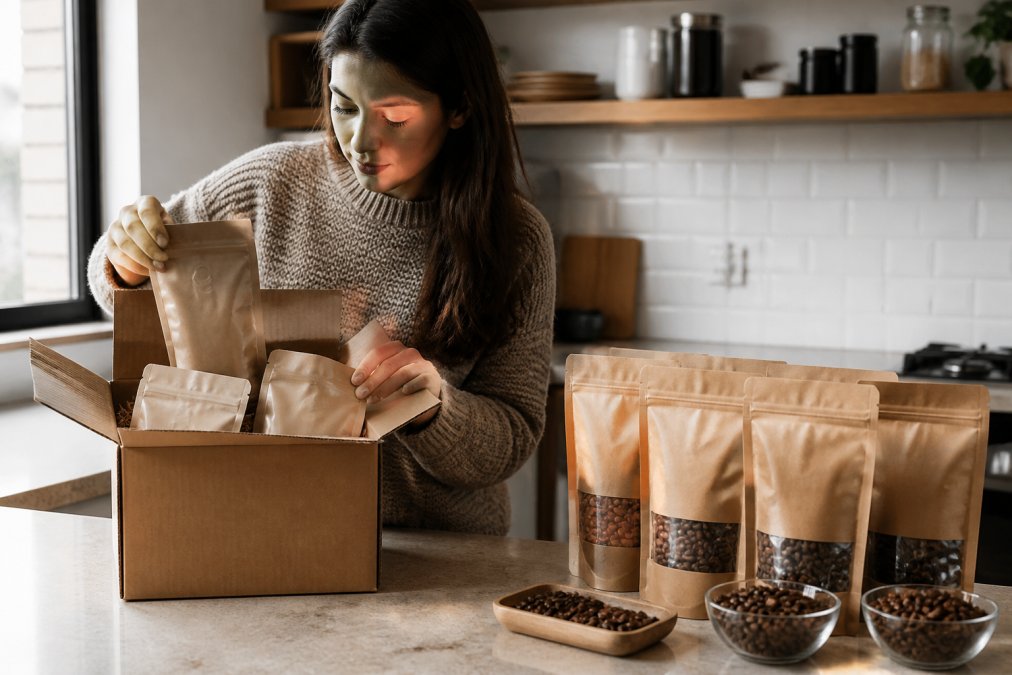
The real tension emerges when you examine what each model prioritizes. Subscription services optimize for consistency, variety, and the ability to reach customers anywhere. Local roasters optimize for freshness, community connection, and the immediacy of knowing exactly where your beans came from. Understanding these trade-offs is the first step toward choosing the right fit for your brewing habits and budget.
Most people assume one approach is objectively superior. In reality, the better choice depends entirely on what you value most: the guarantee of fresh-roasted beans delivered automatically, or the tactile experience of selecting coffee in person from someone who knows their craft.
Coffee Freshness Standards and How They Compare
Freshness in specialty coffee isn't a vague concept, it's measurable by roast date. The moment beans leave the roaster, they begin losing volatile compounds that create aroma and complexity. Within two weeks, most of those compounds have degraded significantly (peer-reviewed research). By four weeks, the coffee tastes noticeably flat.
A quality coffee subscription roasts beans to order, meaning your shipment typically arrives 3-7 days after roasting. You're drinking coffee that's still in its optimal flavor window. Local roasters offer something different: you can often buy beans roasted the same day or within 48 hours. That's a genuine freshness advantage, but only if you actually visit frequently and consume the coffee quickly.
Here's where the comparison gets practical. If you order a subscription and let beans sit for two weeks before opening them, you've negated the freshness advantage. If you visit a local roaster once a month and buy enough for 30 days, that coffee is stale by the time you finish it. Freshness isn't just about roast date, it's about how quickly you use what you buy.
The supporting keyword coffee freshness standards matters here because different roasters apply different standards. Some use nitrogen flushing to extend shelf life. Others rely on proper storage in opaque, one-way valve bags. Independent roasters vary widely in their packaging practices.
Coffee Subscription Cost Comparison: What You Actually Pay
The coffee subscription cost comparison reveals a pattern most guides miss: the lowest advertised price rarely reflects what you actually spend. Subscription services charge for the beans themselves, shipping, and sometimes a membership fee. Local roasters charge per pound, and you pay for the convenience of immediate access.
Pricing depends on quantity, dates, and delivery. For current prices, please refer to USM Coffee's website.
But here's where the math gets granular. To calculate your true cost per cup, you need three variables: beans per month (in ounces), price per ounce, and brewing method. A typical pour-over uses 0.5 ounces of coffee per 8-ounce cup (sca.coffee). A French press uses 0.6 ounces (sca.coffee). Espresso uses 0.3-0.4 ounces per shot.
Subscription services can lead to friction costs if you don't adjust frequency, potentially accumulating unopened bags. Local roasters solve this differently: you buy only what you need, when you need it. There's no waste from overordering. You also avoid shipping costs entirely.
However, local roasters impose a time cost. Visiting a shop weekly requires travel and shopping time. Subscriptions eliminate this friction entirely.
Pricing depends heavily on bean quality, roast level, and origin. Single-origin beans often cost more than blends. Specialty micro-lots can cost more than standard offerings. Both subscriptions and local roasters charge premiums for these options.
Flavor Variety and Customization: Subscriptions vs Local Options
Specialty coffee subscriptions typically offer rotating selections from multiple roasters or a curated lineup of single-origin and blended options. You might receive a Brazilian natural-process bean one month and a Kenyan washed bean the next. This variety appeals to people who want to explore different flavor profiles without committing to large quantities of any single coffee.
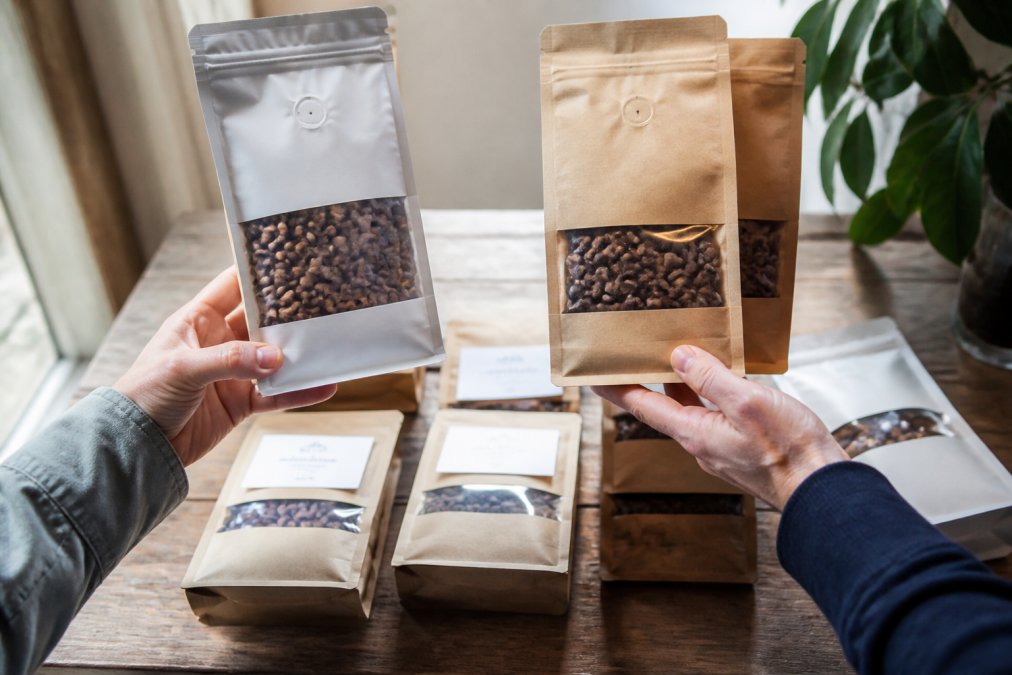
Local roasters typically offer a selection of coffees at any given time, with seasonal rotations. You can taste before committing. You can ask the roaster directly about tasting notes, brewing recommendations, and which beans suit your equipment. That direct feedback loop doesn't exist with subscriptions.
Customization works differently too. Most subscriptions let you choose roast level (light, medium, dark), grind size (whole bean, coarse, medium, fine), and sometimes frequency. Some allow you to skip months or adjust quantities. But you can't customize the selection itself, you get what the subscription curates.
Local roasters offer true customization. You choose exactly which coffee, what grind size, and what quantity. You can ask for a custom blend. You can request a specific roast profile if the roaster accommodates custom orders. This flexibility appeals to people with particular brewing methods or taste preferences.
The trade-off is clear: subscriptions provide breadth and discovery. Local roasters provide depth and control.
Convenience and Delivery: Automation vs Hands-On Selection
A coffee subscription automates the entire process. Beans arrive on a schedule you set, typically every two, three, or four weeks. You never run out unless you deliberately cancel. This appeals to remote professionals, busy parents, and anyone who values one less decision to make each month.
But automation has hidden friction points. Most subscriptions ship on a fixed day of the month, meaning delivery windows vary. This unpredictability creates a gap: you might run out before the next shipment arrives, or receive beans while you're traveling. Some subscribers solve this by maintaining a buffer stock, which defeats the automation advantage and increases storage demands.
Local roasters eliminate this uncertainty. You visit when you need coffee, buy what you need, and leave with beans roasted within days. For people who consume coffee inconsistently, some weeks three cups, other weeks ten, this flexibility is invaluable. You're never stuck with a subscription that no longer fits your habits.
Delivery logistics also vary by subscription model. Roasted-to-order services (which roast after you order) typically ship after purchase, meaning days total from order to arrival. Pre-roasted subscriptions ship faster, but beans are older when they arrive. Local roasters compress this to zero days, you walk out with coffee roasted that morning.
Equipment compatibility is rarely discussed but matters significantly. If you brew espresso, you need a consistent grind size and medium-dark roasts that hold up to high pressure. Most subscriptions offer grind-size customization, but not all roasters in a rotating lineup suit espresso equally. A local roaster who knows you brew espresso can recommend specific beans and roast profiles. If you brew pour-over or French press, you have more flexibility, and subscriptions work well. Espresso drinkers often find local roasters more reliable because they can build a relationship with someone who understands their equipment.
There's also a psychological dimension: subscription fatigue. Managing multiple recurring payments, coffee subscription, streaming services, meal kits, creates decision fatigue and payment anxiety. Some subscribers report canceling coffee subscriptions not because they disliked the coffee, but because the recurring charge felt like clutter in their digital life. Local roasters eliminate this friction. You pay once per visit, no recurring commitment, no monthly reminder that you're spending money on coffee.
For people who value ritual, local roasters offer something subscriptions can't replicate: the sensory experience of selecting coffee in person. You can smell beans before buying. You can ask the roaster questions in real time. You can discover new coffees by browsing the shop. This hands-on element appeals to coffee enthusiasts and people who view coffee shopping as part of their routine, not an errand to minimize.
Subscriptions win on pure convenience: set it and forget it. Local roasters win on flexibility, equipment compatibility, and the elimination of subscription fatigue. The choice depends on whether you value automation more than control.
Supporting Independent Roasters vs Scaling National Services
Choosing a local roaster is often framed as supporting independent business. There's truth to this, local roasters are typically small operations where your purchase directly benefits the people who roasted your coffee. You're investing in a specific community and specific craftspeople.
Subscription services, especially those backed by larger companies, operate at scale. They can offer lower per-unit costs and more consistent quality control. They can source from multiple roasters and offer variety that a single small roaster can't match. But your money goes to a larger organization, and the connection between your purchase and the person roasting is more distant.
This isn't a moral judgment, it's a structural difference. If supporting independent roasters is important to you, a local option aligns with that value. If you prioritize consistency, variety, and automation, a subscription service typically delivers better on those dimensions.
Some subscriptions now partner with independent roasters, offering a middle ground. You get the automation of subscription delivery with the support flowing to smaller businesses. This model is growing, and it appeals to people who want both convenience and community impact.
How to Choose: Matching Your Brewing Habits and Budget
Start with consumption. How much coffee do you actually drink per week? How much do you spend monthly on coffee now? A subscription makes sense if you drink consistently and want to automate reorders. It's wasteful if you drink sporadically or your consumption varies significantly.
Next, consider freshness priorities. If you brew daily and finish beans within two weeks, a subscription delivers optimal freshness. If you brew occasionally and beans sit for weeks, the freshness advantage disappears. Local roasters win if you visit frequently and use coffee quickly.
Evaluate variety preferences. Do you want to explore new coffees regularly, or do you prefer to find a few favorites and stick with them? Subscriptions excel at discovery. Local roasters excel at depth.
Factor in convenience tolerance. Are you willing to visit a coffee shop regularly? Do you prefer automated delivery? This is often the deciding factor. Some people find the ritual of local coffee shopping essential to their routine. Others find it an unnecessary errand.
Budget matters, but it's not always the primary factor. A subscription from USM Coffee offers roasted-to-order freshness and carefully sourced beans. Pricing depends on quantity, dates, and delivery. For current prices, please refer to USM Coffee's website. But if you buy sparingly or inconsistently, a local roaster's pay-as-you-go model might cost less.
The honest answer: try both. Buy a month of subscription coffee and visit a local roaster weekly for a month. See which fits your actual habits, not your imagined ones. Most people discover that one approach aligns better with how they actually live.
The real decision isn't whether coffee subscription vs local roaster is objectively better, it's which model respects how you actually consume coffee. If you're looking for fresh-roasted beans delivered automatically with the convenience of a simple ordering process, USM Coffee combines roasted-to-order freshness with carefully sourced beans from trusted farms worldwide. For those who value the hands-on experience of selecting coffee in person, a local roaster offers immediate gratification and community connection. The best choice is the one you'll actually stick with.
Frequently Asked Questions
Q: Is a coffee subscription worth the cost compared to buying local?
A: The answer depends on your priorities. Subscriptions offer convenience, consistent roast dates, and multi-roaster variety without leaving home. Local roasters give you direct access to fresh beans, personal relationships with roasters, and no shipping costs. If you value automation and exploring single-origin coffees from different roasters monthly, a subscription typically justifies its cost. If you prefer hands-on selection and supporting one neighborhood business, local roasting can be a good option.
Q: How does the freshness of subscription coffee compare to local roasters?
A: Both can deliver genuinely fresh coffee when roasted to order. Coffee freshness standards measure peak flavor within 2-4 weeks of the roast date. Reputable subscriptions ship within days of roasting, ensuring beans arrive fresh. Local roasters often roast multiple times weekly, meaning same-day or next-day purchase is possible. The difference is minimal if you check roast dates on both options. Subscription advantage: you control when beans are roasted. Local advantage: you can inspect and select on the spot.
Q: What is the 15-15-15 rule for coffee?
A: The 15-15-15 rule is a brewing guideline: use 15 grams of coffee, 15 seconds of blooming (initial water contact), and 15 ounces of water for a balanced cup in most brewing methods. This ratio works across subscription beans and local roaster selections, making it a practical benchmark for comparing flavor profiles and extraction quality regardless of your source.
Q: Can you get the same variety from a local roaster as a subscription service?
A: Local roasters typically offer a selection of single-origin and blend options at any given time. Subscriptions from multi-roaster platforms can expose you to many different roasters and flavor profiles annually. If variety is your priority, subscriptions can provide broader exploration. However, many local roasters partner with other roasters or offer seasonal guest beans, narrowing the gap. Quality depth matters more than raw quantity, one exceptional local roaster often outweighs a subscription with mediocre options.