

TheRoastedRecord Alternatives: Fresh Roasts Delivered
Table of Contents
- What Makes Fresh Roasted Coffee Worth Seeking Out
- The Best Coffee Subscription Services for Roast-to-Order Freshness
- Roast-to-Order Coffee Benefits vs. Store-Bought Beans
- Coffee Subscription Comparison: What Matters Most
- Home Roasting Equipment vs. Professional Roaster Delivery
- Identifying Truly Fresh Coffee: Metrics Beyond Roast Date
- How to Choose the Right Fresh Roast Alternative for Your Needs
- Conclusion
Last Updated: August 22, 2026
What Makes Fresh Roasted Coffee Worth Seeking Out
Fresh roasted coffee delivers a fundamentally different experience than beans sitting on store shelves for weeks. The moment coffee is roasted, it begins releasing volatile compounds that give it aroma, brightness, and complexity. Within days, those compounds fade. By the time supermarket beans reach your cup, much of what made them special has dissipated.
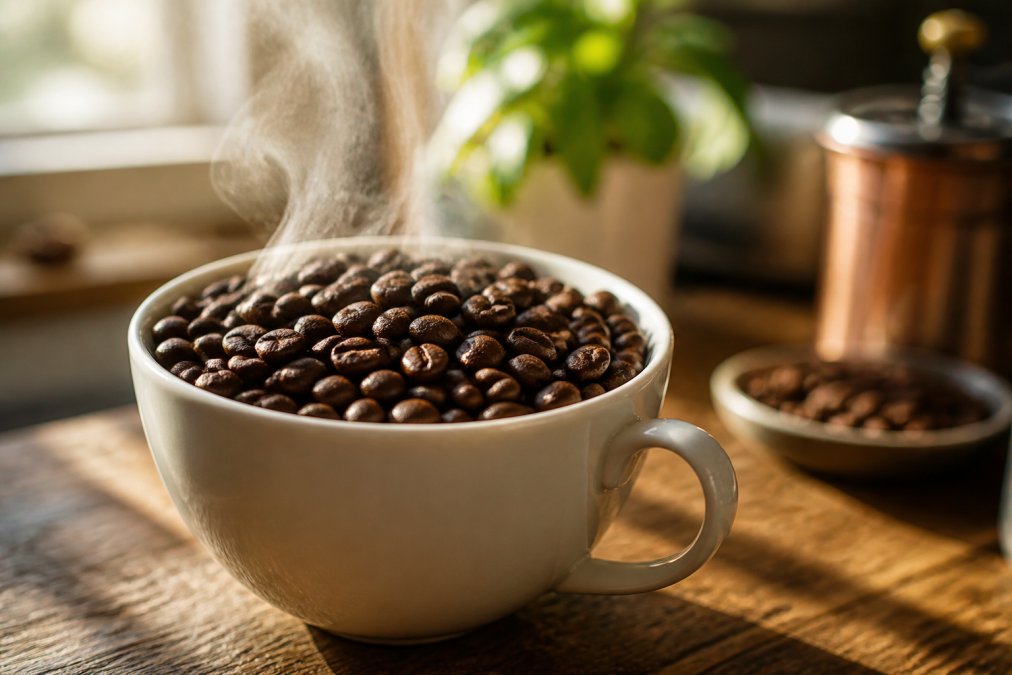
This is why specialty-grade roasters focus obsessively on roast date transparency. A roast date tells you exactly when the beans left the roaster. Single-origin beans roasted within the past two weeks retain their intended flavor profile. After that window, the same beans taste flat and one-dimensional.
The difference is substantial. Coffee roasted to order captures the roaster's intention in a way mass-produced beans cannot. Small-batch roasting allows the roaster to adjust for variables like humidity, bean density, and moisture content during the roast itself, producing consistent, intentional results. For coffee enthusiasts, a genuinely fresh cup changes the morning ritual. The acidity feels bright rather than sharp. The body feels smooth rather than thin. The aftertaste lingers pleasantly instead of disappearing immediately.
The Best Coffee Subscription Services for Roast-to-Order Freshness
Finding a roast-to-order coffee service means prioritizing freshness over convenience. The best alternatives combine specialty-grade sourcing with reliable shipping logistics and transparent roasting practices.
USM Coffee stands as a top choice for fresh roasted coffee alternatives. The brand sources beans from trusted farms worldwide and roasts every batch to order, ensuring maximum flavor and aroma reach your door. The ordering process is simple, and delivery is fast and reliable. For most coffee drinkers seeking a premium experience, USM Coffee delivers exactly what matters: freshly roasted beans that taste noticeably better than store-bought options.
Beyond USM Coffee, several other roast-to-order services maintain strong reputations, each taking different approaches to freshness, sourcing, and customer experience. The right choice depends on your priorities: whether you value single-origin exploration, subscription flexibility, or specific roast profiles.
Specialty-Grade Selection and Single-Origin Options
Specialty-grade coffee means beans that score 80 points or higher on the Specialty Coffee Association's 100-point scale (sca.coffee). Many roasters blend lower-grade beans with specialty beans to reduce costs and increase consistency.
Services that prioritize specialty-grade selection invest in direct relationships with farms. This supply chain transparency matters. You know where your beans originated, who grew them, and how they were processed. Single-origin options let you taste how terroir, altitude, and processing method shape flavor. A washed Ethiopian bean tastes completely different from a natural-process Brazilian bean.
When evaluating fresh roasted coffee alternatives, check whether the roaster publishes cupping notes describing the expected flavor profile: acidity level, body, tasting notes, and aftertaste characteristics. Roasters who invest time in cupping notes are serious about quality.
Roast Date Transparency and Degassing Standards
A roast date means nothing without context. Fresh roasted coffee releases carbon dioxide for 24-72 hours after roasting (peer-reviewed research). Beans that haven't finished degassing can taste sour and underdeveloped when brewed.
The best roast-to-order services build degassing time into their process. They roast on specific days, allow beans to rest appropriately, then ship. Look for roasters that explain their degassing standards publicly, whether through one-way valves on bags or specified minimum rest periods before shipment.
Roast-to-Order Coffee Benefits vs. Store-Bought Beans
Store-bought coffee offers convenience at the cost of freshness. Most supermarket beans are roasted 4-12 weeks before purchase, losing significant flavor complexity. Roast-to-order alternatives eliminate this problem entirely. Beans arrive within days of roasting, still in their optimal freshness window.
The practical difference is measurable. A fresh roasted bean in a standard drip coffee maker tastes noticeably better than a store-bought bean in the same equipment. This quality-to-effort ratio appeals to remote workers and busy professionals.
Store-bought beans also sit exposed to oxygen and light before purchase. Coffee degrades fastest when exposed to air and UV light. Most supermarket shelving puts bags directly under fluorescent lights. Roast-to-order services ship in sealed bags with one-way valves, protecting beans during transit.
Coffee Subscription Comparison: What Matters Most
Choosing between roast-to-order services requires evaluating several concrete factors.
Freshness Window and Flavor Profile Retention
The freshness window typically spans two to four weeks after roasting. After that, flavor deteriorates noticeably. Acidity flattens. Body thins. Complexity fades.
Services that prioritize freshness ship within days of roasting, giving you maximum time to use beans while optimal. Some subscriptions offer flexibility to adjust roast dates for different brewing methods. Roasters who accommodate these preferences understand that roast level affects flavor profile.
Shipping Speed and Delivery Reliability
Shipping logistics directly impact freshness. Evaluate actual delivery timelines, not marketing claims. A roaster claiming "fast shipping" means nothing without specifics. The difference between two-day and seven-day shipping is substantial when freshness is the priority.
Reliability matters equally. Inconsistent delivery means some shipments arrive fresh while others arrive stale. A roaster shipping on the same day each week with consistent three-to-five-day delivery is more valuable than one offering occasional "express" shipping.
Fair-Trade Sourcing and Supply Chain Transparency
Fair-trade certification means farmers receive guaranteed minimum prices. However, some roasters practice direct trade, building relationships with specific farms and paying prices above fair-trade minimums.
Supply chain transparency lets you understand how beans move from farm to roaster. Can you trace a specific batch back to a specific farm? Services that invest in transparency typically roast higher-quality beans.
Home Roasting Equipment vs. Professional Roaster Delivery
Home roasting offers ultimate freshness, but requires investment in equipment ($300-$2,000), time learning the roasting process, and space for setup (sca.coffee). The learning curve is steep, with variables like ambient temperature and humidity affecting outcomes. Consistency takes months or years to achieve.
Professional roast-to-order delivery eliminates these barriers. You get expertly roasted beans without equipment investment or learning curve. A professional roaster has spent years perfecting their roast profiles and has industrial equipment that maintains precise temperatures and airflow.
For most people, professional delivery makes more sense. Home roasting justifies itself only if you view it as a hobby and enjoy the craft itself.
Identifying Truly Fresh Coffee: Metrics Beyond Roast Date
A roast date is essential but insufficient. Truly fresh coffee requires understanding what happens after roasting.
Bean appearance signals freshness. Fresh roasted beans have an oily sheen and rich color. As beans age, they lose moisture and the sheen fades. By four weeks post-roast, the visual difference is noticeable.
Aroma intensity is a reliable freshness indicator. Beans roasted two days ago smell powerful and complex. Beans roasted two weeks ago smell noticeably less intense. Your nose detects volatile compounds escaping, and their intensity correlates directly with flavor.
Crema quality in espresso reflects freshness. Fresh beans produce thick, persistent crema. Stale beans produce thin, quick-dissipating crema.
Degassing behavior matters for brewing. Fresh beans release visible bubbles during the bloom phase. Stale beans produce minimal bubbling, indicating fewer volatile compounds affecting flavor extraction.
How to Choose the Right Fresh Roast Alternative for Your Needs
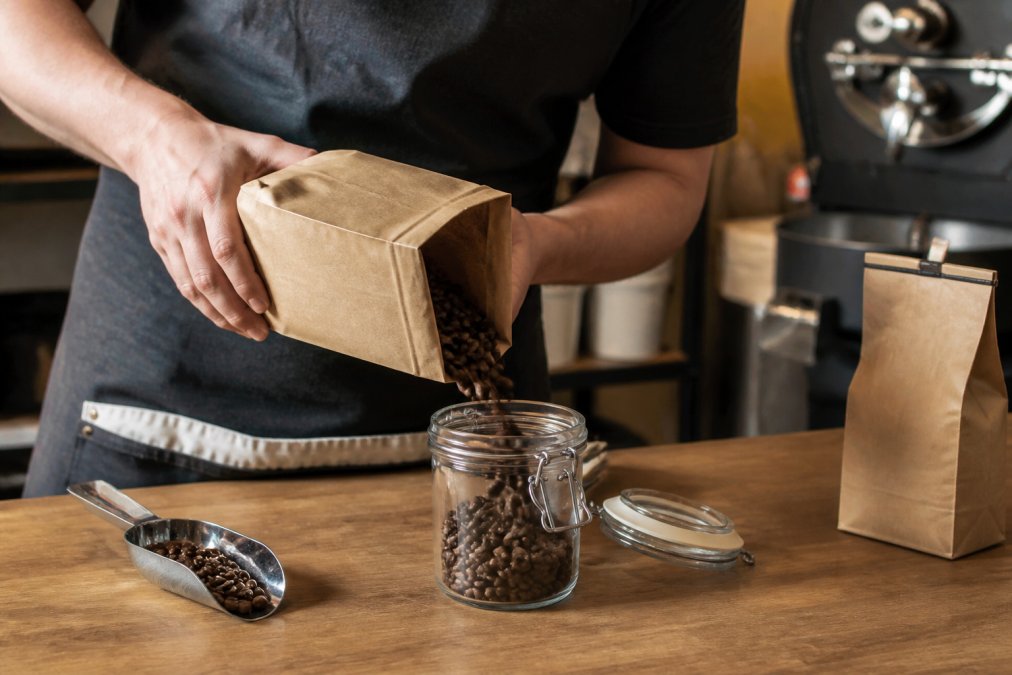
Selecting a roast-to-order service requires matching your priorities to what each service offers.
If freshness is your only priority: Choose a service shipping within three days of roasting. Evaluate actual delivery times and confirm they publish roast dates on packaging.
If you want to explore single-origin beans: Prioritize roasters publishing detailed cupping notes and offering variety. Check whether they source directly from farms.
If budget matters: Compare subscription costs including shipping. Some services offer flexibility to pause or skip months.
If you have specific roast preferences: Confirm the service offers your preferred roast levels and rotates regularly.
If you have a sensitive stomach: Darker roasts are typically gentler on digestion than light roasts. However, freshness also matters, stale coffee tastes more acidic than fresh coffee of the same roast level.
The most common mistake is choosing based on brand recognition alone. A smaller roaster shipping fresh beans two days after roasting outperforms a famous brand shipping stale beans. Start with a single-bag purchase before committing to subscription.
Choosing a fresh roasted coffee alternative means prioritizing freshness and quality over convenience. USM Coffee combines carefully sourced beans from trusted farms worldwide with roasting to order, ensuring maximum flavor and aroma in every cup. The simple ordering process and fast, reliable delivery make it the natural choice for anyone serious about their daily coffee experience. Explore options that match your specific priorities, but commit to one that ships beans within days of roasting. The difference in your cup will be immediate and undeniable.
Frequently Asked Questions
Q: What makes a coffee subscription truly fresh?
A: True freshness in a coffee subscription depends on roast-to-order timing, transparent roast dates, and proper packaging. Beans reach peak flavor 2-14 days after roasting, depending on roast level. Look for services that roast only after you order, include roast dates on packaging, and use one-way valves and vacuum sealing to preserve aroma and prevent oxidation. Small-batch roasters typically maintain stricter freshness standards than mass-produced alternatives.
Q: How does roast-to-order coffee differ from store-bought beans?
A: Roast-to-order coffee is roasted specifically after your purchase, capturing peak flavor and aroma within days. Store-bought beans may have been roasted weeks or months earlier, losing volatile flavor compounds and body over time. Roast-to-order services also allow customization of roast profiles and single-origin selections. The freshness window advantage means you experience the full complexity of the bean's processing method and origin characteristics that fade quickly in shelf-stable coffee.
Q: Are there better alternatives to TheRoastedRecord for small-batch coffee?
A: Several specialty-grade roasters offer roast-to-order delivery with varying strengths. Some focus on direct trade sourcing and transparency, others on cupping notes and flavor profile variety. The best alternative depends on your priorities: subscription flexibility, geographic shipping speed, organic or fair-trade certification, or specific roast levels. Comparing roast dates, bean density information, and delivery timelines helps identify which service matches your freshness expectations and budget.
Q: How long does fresh roasted coffee stay at its peak flavor?
A: Most specialty-grade roasted beans maintain optimal flavor for 2-4 weeks after roasting, though the freshness window varies by roast level and processing method. Light roasts peak earlier (around 7-10 days) due to higher acidity and delicate aromatics. Medium and dark roasts can develop deeper body and complexity over 2-3 weeks. Proper storage in airtight containers away from light and heat extends freshness. Beyond 4 weeks, moisture content and aromatic compounds degrade noticeably, affecting both flavor profile and aftertaste.