

Fresh Roasted Coffee Beans Subscription Benefits
Table of Contents
- How Fresh Roasted Coffee Subscriptions Work
- Why Fresh Roasted Beans Taste Better Than Grocery Store Coffee
- The Real Flavor and Freshness Advantage
- Finding Your Coffee Subscription Frequency Guide
- Best Dark Roast Coffee Subscription Options
- Customization, Flexibility, and Cancellation Peace of Mind
- Is a Fresh Roasted Coffee Subscription Worth It?
- Conclusion
Last Updated: August 18, 2026
How Fresh Roasted Coffee Subscriptions Work
A fresh roasted coffee beans subscription benefits model delivers freshly roasted beans directly to your home on a recurring schedule you control. Instead of buying pre-roasted coffee from grocery shelves that may have sat for months, subscription services roast beans to order and ship them within days, capturing peak flavor at its source.
Here's the basic mechanics: you choose your subscription frequency (weekly, bi-weekly, monthly), select your roast preferences and flavor profiles, and the roaster handles the rest. Beans arrive at your door already roasted, with a roast date printed on the bag. Most services let you skip shipments, adjust frequency, or pause your subscription without penalty, addressing the common concern that subscriptions lock you into unwanted deliveries.
The ordering process should be straightforward. USM Coffee, for instance, simplifies the entire experience with a clean ordering interface and fast, reliable delivery. You pick your beans once, set your preferred frequency, and the system handles recurring shipments automatically. If you're traveling or stocked up, pausing takes seconds. This flexibility is what separates modern subscription models from the rigid commitments people remember from earlier services.
Customization is central to the model. You're not getting a mystery box. You choose specific roasts, single origins, or blends based on tasting notes and flavor descriptions. Some services offer a roaster's choice option if you prefer discovery, but the choice remains yours. This level of control transforms the subscription from a passive commodity into an active selection aligned with your actual preferences.
Why Fresh Roasted Beans Taste Better Than Grocery Store Coffee
The difference between fresh roasted beans and grocery store coffee comes down to one critical variable: time. Coffee begins degrading the moment it's roasted. Volatile aromatic compounds escape, oils oxidize, and flavor complexity flattens. A bag of beans roasted three months ago has lost measurable flavor compounds compared to one roasted last week.
Grocery store coffee typically sits in warehouses and on shelves for weeks or months before you buy it, then sits in your pantry for additional weeks. By the time you brew it, the beans may be four to six months past their roast date. At that age, you're tasting what remains after significant flavor loss, not the coffee the roaster intended.
Fresh roasted beans arrive with a roast date on the label. You're brewing coffee that's days old, sometimes hours old. The difference in cup quality is immediate and noticeable, even in a standard drip coffee maker. You don't need fancy equipment to taste the improvement. A regular coffee maker brewing fresh beans produces noticeably brighter, more complex flavor compared to grocery store alternatives.
The roasting process itself matters too. Specialty roasters develop specific roast profiles for different beans and origins. A single origin Ethiopian bean roasted for light, fruity notes requires different timing and temperature than a dark roast designed for bold, chocolatey character. Grocery store coffee is typically roasted for consistency and shelf stability, not for maximizing the unique characteristics of each bean. Subscription roasters prioritize flavor development, which shows up immediately in your cup.
The Real Flavor and Freshness Advantage
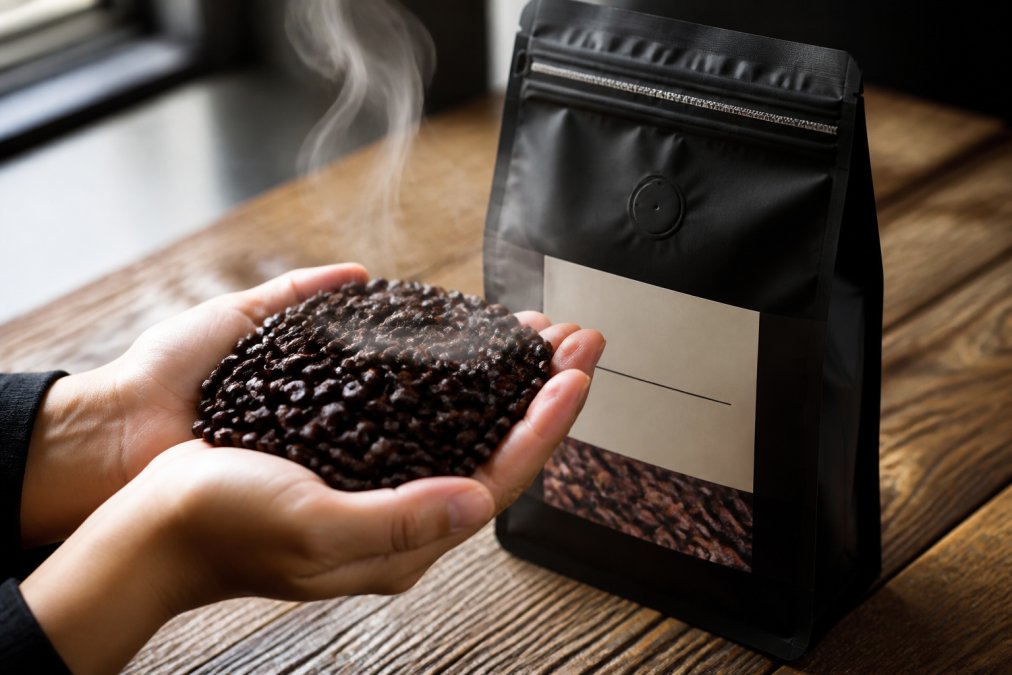
Freshness directly translates to flavor intensity and complexity. Within the first two weeks after roasting, you experience peak flavor expression. The beans have completed their degassing phase but retain all the aromatic compounds and volatile oils that create nuanced tasting notes. This window is when a quality roast shines brightest.
After two weeks, flavor begins a gradual decline. By four weeks, the difference becomes noticeable to most palates. By eight weeks, the coffee tastes flat and one-dimensional compared to its peak. This is why roast dates matter so much. They tell you exactly where in this flavor arc your beans sit.
Subscription models capitalize on this timeline. You receive beans during their optimal flavor window and brew them before degradation accelerates. You're consistently drinking coffee at its best, rather than gambling on what remains of a bag that's been sitting in your pantry for months.
The shelf life conversation is important here. Whole bean coffee stays fresher longer than ground coffee, but time still matters. Store your subscription beans in an airtight container away from light and heat, and they'll maintain quality for three to four weeks. Grind immediately before brewing to preserve the most volatile flavor compounds. Many coffee enthusiasts grind small batches daily rather than grinding an entire week's worth at once.
This freshness advantage isn't subtle or reserved for coffee snobs. Someone brewing in a basic drip machine will taste the difference immediately. The coffee will be brighter, more aromatic, and more flavorful. That's not because they suddenly developed refined taste. It's because fresh beans genuinely taste better, regardless of brewing equipment.
Finding Your Coffee Subscription Frequency Guide
Frequency selection is where many people stumble with subscriptions. Choose wrong and you end up with excess coffee piling up, which defeats the entire purpose. Choose too conservatively and you run out before the next shipment arrives.
Start by calculating your actual consumption. A typical household of two coffee drinkers using a drip maker or pour-over consumes roughly one pound per week. Someone brewing espresso uses less because the ratio is more concentrated. A single person who drinks two cups daily uses about half a pound per week. These aren't fixed numbers, they're starting points based on your brewing method and consumption habits.
Once you know your weekly consumption, pick a frequency that matches it or slightly exceeds it. If you drink one pound per week, a bi-weekly subscription delivering two pounds makes sense. If you drink half a pound weekly, monthly delivery of two pounds gives you a four-week supply with a small buffer.
The buffer matters. Coffee subscription fatigue happens when you receive a shipment just as you're running low, creating stress about timing. A small buffer, having one extra pound on hand, eliminates that anxiety. You can enjoy your current bag without watching the clock, and the next shipment feels like a pleasant surprise rather than a deadline.
Most services let you adjust frequency after your first shipment. Start with your best estimate, then shift it after a month of data. If you consistently have coffee left when a new shipment arrives, move to a longer interval. If you're running low before delivery, shorten the cycle. This flexibility is essential because consumption varies seasonally and with life changes.
Shipping schedule also affects frequency selection. If your service takes five days to deliver, you need to account for that gap. If delivery is next-day, you can order with less buffer. Understanding your actual delivery timeline prevents the common mistake of ordering too frequently because you're anxious about running out.
Best Dark Roast Coffee Subscription Options
Dark roast coffee delivers bold, rich flavor that works well in most brewing methods. The roasting process itself creates the characteristic dark roast profile, deep chocolate notes, lower acidity, and a heavier body. For people concerned about acid reflux or sensitive stomachs, dark roasts are gentler than lighter roasts because the extended roasting reduces certain acidic compounds.
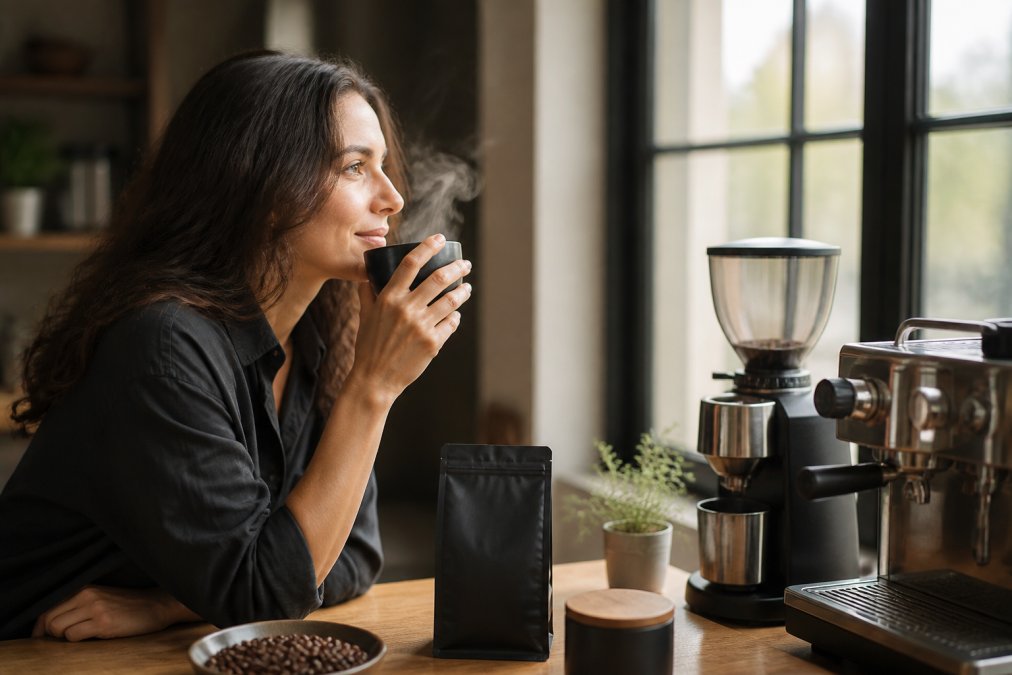
USM Coffee specializes in dark roasts and carefully crafted blends, sourcing beans from trusted farms worldwide and roasting every batch to order. This approach ensures you're getting beans roasted specifically for maximum flavor and aroma, not beans that have been sitting in inventory. The roast-to-order model means your dark roast arrives at peak expression, with the bold character and smooth finish dark roasts are known for.
When evaluating dark roast subscriptions, look for transparency about roast dates and bean origins. A quality dark roast subscription tells you exactly when beans were roasted and where they came from. Single origin dark roasts allow you to taste how different growing regions express themselves through darker roasting. Blends combine multiple origins to create balanced, complex flavor profiles.
The brewing equipment question matters less with dark roasts than lighter roasts. A dark roast works beautifully in basic drip machines, French press, espresso machines, and pour-overs. The bold character survives various brewing methods, making dark roasts ideal for people who aren't particular about their equipment. If you're using whatever coffee maker came with your kitchen, dark roasts deliver consistent, satisfying results.
Price varies based on bean quality, origin rarity, and roasting approach. Premium single origin dark roasts cost more than blends. Specialty coffees from rare origins cost more than standard varieties. Direct-to-consumer subscriptions typically offer better value than retail coffee shops because they eliminate middleman markups, but pricing depends on quantity, delivery frequency, and bean selection. Check USM Coffee's website for current pricing and available dark roast options.
Customization, Flexibility, and Cancellation Peace of Mind
The subscription model only works if it gives you genuine control. This means real customization options, the ability to skip shipments without penalty, and straightforward cancellation if you decide the service isn't right.
Customization starts with roast selection. You should be able to choose between light, medium, and dark roasts. Within those categories, you should access single origins or blends. Some services offer flavor profile filters, fruity, chocolatey, earthy, so you can narrow options without coffee expertise. The more specific your choices, the more likely you'll enjoy what arrives.
Flexibility addresses the real concern people have about subscriptions: ending up with unwanted coffee. A good subscription lets you skip a single shipment without affecting future deliveries. Maybe you're traveling or stocked up. You pause for one cycle and resume normally. Some services let you adjust your next shipment date without canceling. Others allow you to change quantities or roast selections mid-subscription. These options matter because life isn't predictable.
Cancellation should be genuinely simple. You shouldn't need to call anyone or jump through hoops. A few clicks on your account should initiate cancellation, effective immediately or at the end of your current billing cycle. Some services offer a pause option before cancellation, letting you step back without fully committing to an exit.
The cancellation question connects directly to the common objection about subscription waste. People worry they'll get locked into a service they don't love. A transparent cancellation policy eliminates that fear. If you're not satisfied after your first shipment, you should be able to cancel without additional charges or explanations.
USM Coffee emphasizes simple ordering and reliable delivery. The straightforward process extends to managing your subscription. You control your frequency, can skip shipments, and can adjust your preferences as your tastes evolve. The goal is removing friction from the coffee experience, not adding it.
Is a Fresh Roasted Coffee Subscription Worth It?
The value calculation depends on what you're currently spending and what you value about coffee. If you're buying premium coffee from local roasters or specialty shops regularly, a subscription likely costs less while delivering comparable or better quality. If you're buying grocery store coffee, the quality improvement is significant, though the per-cup cost increases.
The real value isn't just in the coffee itself. It's in consistency, convenience, and the removal of decision fatigue. You don't need to remember to buy coffee or wonder what to choose. Your subscription handles that. You receive beans at peak freshness on a schedule you control. For busy professionals working from home, this convenience has real value.
Environmental impact is worth considering. Subscription delivery means one shipment to your home instead of multiple trips to a coffee shop or grocery store. However, shipping does have an environmental footprint. If you live near quality local roasters, buying directly may have lower impact. If your local options are limited or you'd otherwise drive multiple trips, subscription delivery is likely more efficient overall.
The waste management angle matters too. Subscription fatigue happens when people end up with more coffee than they can drink before it degrades. This creates waste and frustration. The solution is honest frequency calculation and willingness to adjust. If you start with a frequency that results in excess, change it. The flexibility of modern subscriptions means you can optimize for your actual consumption.
For people seeking cafe-quality coffee at home without specialty equipment, fresh roasted subscriptions deliver genuine value. The flavor improvement over grocery store coffee is immediate and noticeable. The convenience of automated delivery eliminates friction. The ability to customize and control your frequency removes the subscription anxiety that plagued earlier models.
The investment makes most sense if you drink coffee regularly and value quality. Someone drinking two cups daily sees the benefit across hundreds of cups annually. Someone drinking occasionally might find the minimum subscription quantity more than they need. Honest self-assessment about consumption patterns determines whether a subscription aligns with your actual usage.
Fresh roasted coffee beans subscription benefits extend beyond just better taste. You gain consistency, convenience, and control over your coffee experience. USM Coffee delivers fresh roasted beans sourced from trusted farms worldwide, roasted to order to ensure maximum flavor and aroma. With simple ordering, flexible scheduling, and fast, reliable delivery, you can enjoy cafe-quality coffee at home without the complexity. Start with a realistic frequency estimate, adjust based on actual consumption, and experience the difference fresh beans make in your daily cup. Visit USM Coffee to explore dark roast options and begin your subscription with beans roasted specifically for peak flavor.
Frequently Asked Questions
What are the primary benefits of a fresh roasted coffee subscription?
Fresh roasted coffee subscriptions deliver beans roasted to order, ensuring maximum flavor and aroma compared to beans sitting on grocery store shelves for weeks or months. You receive customized selections, scheduled delivery that fits your consumption pace, access to single origin and specialty blends, and the convenience of automated ordering. Most subscribers report noticeably better taste even in standard brewing equipment, plus the peace of mind that comes from flexible scheduling and easy cancellation.
How does a fresh roasted coffee subscription compare to buying grocery store beans?
Grocery store beans lose flavor and aroma quickly after roasting. A fresh roasted coffee subscription delivers beans roasted within days of shipment, preserving the roaster's intended flavor profile and tasting notes. Subscription beans typically come with roast dates and cupping notes, while grocery store options rarely disclose this information. The taste difference is significant enough that many daily drinkers notice improvement in their regular drip coffee makers without needing specialty equipment.
How often should I receive a coffee subscription to keep beans fresh?
The ideal frequency depends on your daily consumption and brewing method. Most coffee enthusiasts receive shipments every two to four weeks to maintain optimal freshness. Whole bean coffee stays flavorful for about 2-4 weeks after the roast date when stored properly in an airtight container away from heat and light. Subscription services let you adjust frequency based on seasonal consumption, work-from-home schedules, or travel plans, so you control how much coffee arrives and when.
Is a coffee subscription worth the money compared to buying locally?
The value depends on your priorities. Subscriptions offer consistent access to freshly roasted beans with roast dates, curated selections, and scheduled convenience without shopping trips. While pricing varies, many subscribers find the quality and freshness justify the cost, especially compared to cafe-quality coffee purchased daily. Flexible billing, skip options, and pause features mean you only pay for what you'll drink, reducing waste and subscription fatigue that occurs with traditional services.