

Fresh Roasted Coffee Delivery Speed: What to Expect
Table of Contents
- How Fresh Roasted Coffee Delivery Speed Works
- How Long to Let Coffee Beans Rest After Roasting
- Roast to Order Coffee Delivery: Processing and Shipping Timeline
- Best Coffee Roasters With Fast Shipping
- Roast Date Impact on Flavor Profile and Delivery Expectations
- Subscription Delivery Schedules vs. One-Time Orders
- Optimizing Your Fresh Coffee Experience: Practical Tips
- Conclusion
Last Updated: August 14, 2026
How Fresh Roasted Coffee Delivery Speed Works
Fresh roasted coffee delivery speed encompasses the entire journey from roasting to your doorstep. Understanding this process helps you make informed decisions about when to order and what to expect. The timeline typically includes roasting, degassing, packaging, carrier transit, and final delivery. Each stage affects both the freshness and flavor profile of your beans.
When you order roast-to-order coffee, the roaster doesn't have pre-roasted inventory sitting on shelves. Instead, your order triggers the roasting cycle immediately after you purchase. This approach ensures maximum flavor and aroma compared to coffee that's been roasted weeks or months prior. The tradeoff is a slightly longer initial processing time, but the quality difference justifies the wait for most coffee enthusiasts.
Roast-to-order coffee delivery speed varies significantly by roaster. Some facilities ship within 24 hours of roasting, while others take 2-3 business days. Regional location matters too. A roastery in the Midwest will reach West Coast customers faster than one on the East Coast, simply due to carrier transit times. Understanding these variables helps you choose a roaster that aligns with your freshness expectations.
How Long to Let Coffee Beans Rest After Roasting
The Degassing Window
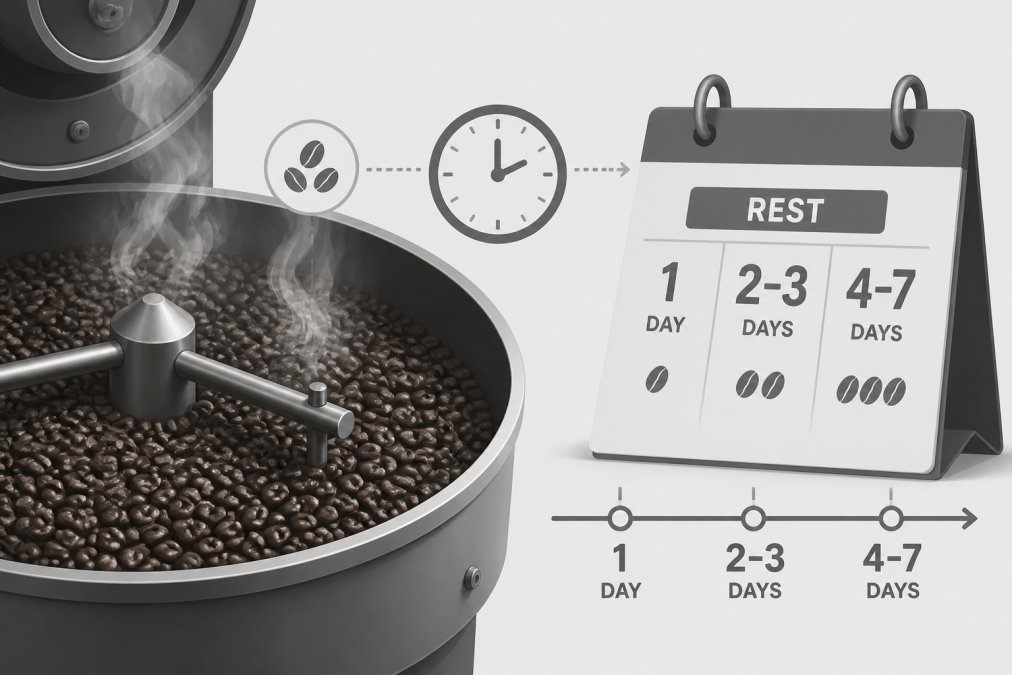
Coffee beans need time to rest after roasting. This period, called degassing, is when carbon dioxide trapped inside the beans gradually escapes. During the first 24-48 hours after roasting, beans release the most CO2. This process continues for up to two weeks, though the most significant changes happen in the first few days.
Many coffee professionals recommend waiting at least 12-24 hours after roasting before brewing. Brewing too soon can result in over-extraction and unpleasant flavors. The CO2 still trapped in fresh beans can interfere with water's ability to extract the coffee's best characteristics. However, waiting too long, past the two-week mark, allows the beans to lose aromatic compounds that define their flavor profile.
The ideal scenario is receiving beans that have rested 2-3 days after roasting. This gives them enough time to degas while still capturing the peak aromatic window. Fresh roasted coffee delivery speed that arrives within this window offers the best balance between freshness and drinkability.
Peak Freshness and Flavor Development
Peak freshness for most specialty coffees falls between day 3 and day 14 after roasting. This is when the beans have degassed enough to brew cleanly, yet retain their distinctive tasting notes and aromatic complexity. Different roast levels have slightly different peak windows. Light roasts often peak earlier (days 3-7) because their delicate flavors fade faster. Dark roasts maintain their character longer, often peaking between days 5-14.
The flavor profile continues to evolve throughout this window. Early in the peak period, you'll notice brighter, more pronounced acidity and origin-specific characteristics. As days pass, the flavors become more rounded and integrated. Neither is objectively better, it's a matter of preference. Some drinkers prefer the vibrant complexity of day 3-5 beans. Others prefer the smoother, more balanced profile of day 10-12 beans.
Understanding this timeline changes how you approach fresh roasted coffee delivery speed. A roaster that ships within 24 hours of roasting means your beans arrive around day 2-3, depending on transit time. This gives you the full peak freshness window to explore and enjoy before the beans begin their slow decline in flavor intensity.
Roast to Order Coffee Delivery: Processing and Shipping Timeline
Order Processing and Roasting Cycle
Most roast-to-order operations process orders in batches. You might place an order on Monday afternoon, but the roaster may not roast your specific batch until Tuesday morning. This depends on their roasting schedule and order volume. Some roasters roast daily, others 3-4 times per week. Knowing the roaster's schedule helps you time your order strategically.
The actual roasting cycle typically takes 15-25 minutes, depending on the roast level and bean density. After roasting, beans go into cooling trays where they reach room temperature, another 10-30 minutes. Then comes packaging, labeling, and quality checks. The entire process from order to packaged and ready to ship usually takes 24-48 hours for most roast-to-order operations.
Carrier Transit Times and Regional Variation
Once your coffee ships, transit time depends on your location and the carrier. USPS Priority Mail typically takes 1-5 business days depending on distance from the roastery. UPS Ground and FedEx Ground take 3-7 business days. Express options (Priority Mail Express, UPS 2-Day) cost more but guarantee faster delivery.
Regional variation is real. A coffee roasted in California reaches West Coast customers in 1-2 days but takes 4-5 days to reach the East Coast via standard shipping. A roastery in Florida has the reverse problem. This is why some roasters maintain multiple roasting locations or partner with regional roasters, it helps them offer consistent fresh roasted coffee delivery speed nationwide.
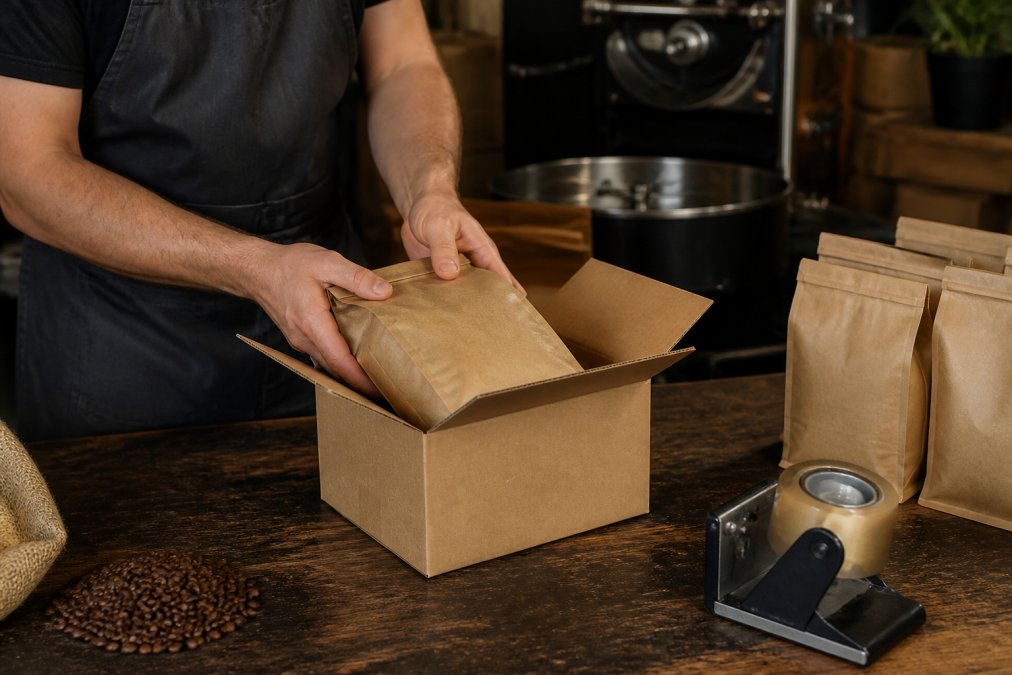
The practical implication: if you live on the opposite coast from your roaster, expect 4-7 days total from order to delivery. If you're local or regional, you might get beans within 2-3 days. This should influence which roaster you choose. Paying for Priority Mail Express might make sense if you're far away and want peak freshness.
Best Coffee Roasters With Fast Shipping
What Sets Fast Roasters Apart
Fast roasters share common characteristics. They maintain lean inventory, roasting to order rather than stockpiling pre-roasted beans. They've optimized their order-to-ship process to move coffee quickly without sacrificing quality. They often partner with faster carriers or offer expedited shipping options. They're transparent about roast dates, shipping timelines, and what to expect.
USM Coffee operates on similar principles, roasting every batch to order to ensure maximum flavor and aroma. This commitment to roast-to-order processing means your beans spend minimal time in inventory before shipping. Combined with our fast, reliable delivery system, you receive coffee at its peak freshness window.
Roast Date Impact on Flavor Profile and Delivery Expectations
The roast date is the most important information on your coffee bag, more important than the origin or roast level. A coffee roasted yesterday tastes different from the same coffee roasted two weeks ago. Understanding this helps you interpret tasting notes and set realistic expectations for what you'll experience.
Immediately after roasting (days 1-2), beans are still actively degassing. Brewing at this stage often produces flat, muted flavors with excessive bitterness. This is why most roasters recommend waiting before brewing. By day 3-5, the beans have stabilized enough to reveal their intended flavor profile. The origin characteristics, floral notes, fruity undertones, chocolate body, become apparent.
By day 10-14, the same coffee tastes noticeably different. The bright acidity mellows. The flavor becomes rounder, more integrated. Some describe this as more balanced; others say it's lost its vibrancy. Neither is wrong. The point is that roast date directly affects what you taste, independent of brewing method or water quality.
This is why fresh roasted coffee delivery speed matters beyond the romantic notion of "fresh coffee." Fast delivery puts you in the optimal tasting window. A coffee that ships within 24-48 hours of roasting arrives around day 3-5, when its flavor profile is fully developed but still vibrant. A coffee that ships 10 days after roasting arrives past its peak aromatic window. Both are fresh by conventional standards, but the experience is noticeably different.
Subscription Delivery Schedules vs. One-Time Orders
Subscription models offer consistency and often cost savings. Most roasters provide 10-15% discounts on subscription orders compared to one-time purchases. You choose your frequency, weekly, bi-weekly, monthly, and the coffee arrives on schedule. This works well for regular drinkers who consume a predictable amount.
One-time orders offer flexibility. You buy exactly what you want when you want it. No commitment, no risk of accumulating unwanted inventory. This appeals to people who experiment with different roasters or don't drink coffee consistently. The tradeoff is higher per-bag costs and less reliable fresh roasted coffee delivery speed scheduling.
Many roasters now offer flexible subscription models that let you skip months, adjust quantities, or pause without penalty. This hybrid approach combines subscription savings with one-time purchase flexibility. You commit to a subscription but maintain control over frequency and timing.
For maximizing freshness, subscriptions have an advantage. Regular deliveries ensure you're always consuming coffee within its peak window. You never let beans sit past their prime. One-time orders require more discipline, you need to order before running out, not after.
Optimizing Your Fresh Coffee Experience: Practical Tips
Start by understanding your consumption rate. How many cups of coffee do you drink daily? How many grams per cup? A standard 12-ounce bag contains roughly 340 grams, or about 11-12 cups depending on your brewing ratio. Most drinkers consume a 12-ounce bag in 2-3 weeks. Order accordingly.
Choose a roaster whose location aligns with your shipping expectations. If you live in the Midwest, a Midwest roaster likely gets you beans faster. If you're on the coast, look for roasters in your region. This isn't always possible, some roasters have superior coffee or operational efficiency, but proximity helps.
Track the roast date when your coffee arrives. Note the date you received it and when you opened the bag. After brewing, write down what you tasted. Did you notice bright, pronounced flavors? Smooth, integrated ones? Compare this to how the same coffee tastes a week later. This personal calibration teaches you your own peak freshness preference.
Store your beans in an airtight container away from light, heat, and moisture. The degassing process continues for up to two weeks, so don't seal beans in an airtight container immediately after opening the bag. Let them sit in a breathable container for the first few days, then transfer to airtight storage. This preserves flavor longer.
Consider your brewing method when choosing roast levels and origins. Light roasts shine in pour-over and French press, where their delicate flavors aren't overwhelmed. Dark roasts perform well in espresso and automatic drip machines. Medium roasts work across all methods. Matching your beans to your equipment maximizes what fresh roasted coffee delivery speed makes possible.
The journey from roastery to your cup involves more moving parts than most people realize. Fresh roasted coffee delivery speed isn't just about fast shipping, it's about understanding when coffee tastes its best and ordering strategically to hit that window. USM Coffee roasts every batch to order and ships with reliable speed, ensuring your beans arrive during their peak freshness period. This commitment to roast-to-order processing and fast delivery means you experience coffee the way specialty roasters intend: vibrant, aromatic, and full of character. Learn more about specialty coffee freshness standards
Frequently Asked Questions
How long should I wait after roasting before drinking fresh roasted coffee?
Most specialty roasters recommend waiting 3-7 days after the roast date before brewing. During this window, carbon dioxide released during roasting (degassing) escapes from the beans. Brewing too soon can result in uneven extraction and bitter flavors. However, coffee remains in its peak freshness window for 2-4 weeks from the roast date. The exact timing depends on your brewing method and personal preference, but waiting at least a few days allows flavor development to stabilize.
What is the typical delivery timeline for roast to order coffee delivery?
Roast-to-order coffee typically ships within 24-48 hours of roasting and arrives within 3-7 business days depending on your location and carrier. Some roasters ship within 24 hours of roasting via USPS, while others allow 1-2 business days for processing. Total time from order to arrival usually ranges from 5-10 business days. Regional distance matters significantly: orders placed on the West Coast may arrive faster than those shipping to remote areas. Always check the roaster's specific shipping policy for exact timelines.
Does roast-to-order coffee take longer to ship than pre-roasted alternatives?
Roast-to-order coffee does add processing time, but the freshness benefit outweighs the delay. While pre-roasted coffee from retail shelves ships immediately, it may have been roasted weeks or months prior. Roast-to-order services typically add only 1-2 business days for roasting and packaging before shipping, resulting in beans that arrive significantly fresher. The slight delay ensures you receive coffee at peak flavor rather than aged inventory. For most coffee enthusiasts, fresher beans arriving in 7-10 days beats older coffee arriving in 2-3 days.
How does the roast date on coffee affect delivery expectations and freshness?
The roast date is critical for understanding freshness and optimal brewing timing. Coffee reaches peak flavor 3-7 days after roasting as degassing completes and flavors develop. A roast date printed on the bag lets you calculate when your beans will be at their best. Fresh-roasted coffee shipped within 24-48 hours of roasting arrives with a recent roast date, giving you a full 2-4 week window of excellent flavor. Pre-roasted coffee with an old roast date has already passed its peak, resulting in flatter, less vibrant tasting notes regardless of delivery speed.