

How to Avoid Coffee Subscription Waste
Table of Contents
- Why Coffee Subscriptions Lead to Waste
- How to Calculate Coffee Consumption Per Month
- Adjust Your Subscription Frequency to Match Your Habits
- How to Store Coffee Beans for Freshness
- Choosing the Best Dark Roast Coffee Subscription
- Reduce Waste Through Sustainable Practices
- Create a Subscription Audit Checklist
- Conclusion
Last Updated: August 25, 2026
Why Coffee Subscriptions Lead to Waste
Coffee subscriptions offer convenience and freshness, but they create a common problem: ordering more coffee than you can realistically consume before it loses quality. Many coffee enthusiasts sign up with good intentions, only to find themselves with overstocked pantries and stale beans. The issue stems from a mismatch between subscription frequency and actual consumption habits.
When you subscribe without calculating your real coffee needs, several things happen simultaneously. Beans arrive on a schedule that doesn't align with how much coffee you actually brew. Your inventory grows faster than you use it. Freshness deteriorates as beans sit in storage. The result is wasted money and wasted product, exactly what you wanted to avoid by choosing a premium option like USM Coffee in the first place.
The good news: this problem is entirely preventable. By understanding your consumption patterns, adjusting your subscription settings, and implementing proper storage practices, you can eliminate waste while maintaining access to fresh, high-quality beans. The key is treating your coffee subscription like any other recurring purchase, with intentional planning.
How to Calculate Coffee Consumption Per Month
The foundation of avoiding coffee subscription waste starts with a simple calculation: how many cups of coffee do you actually drink per month?
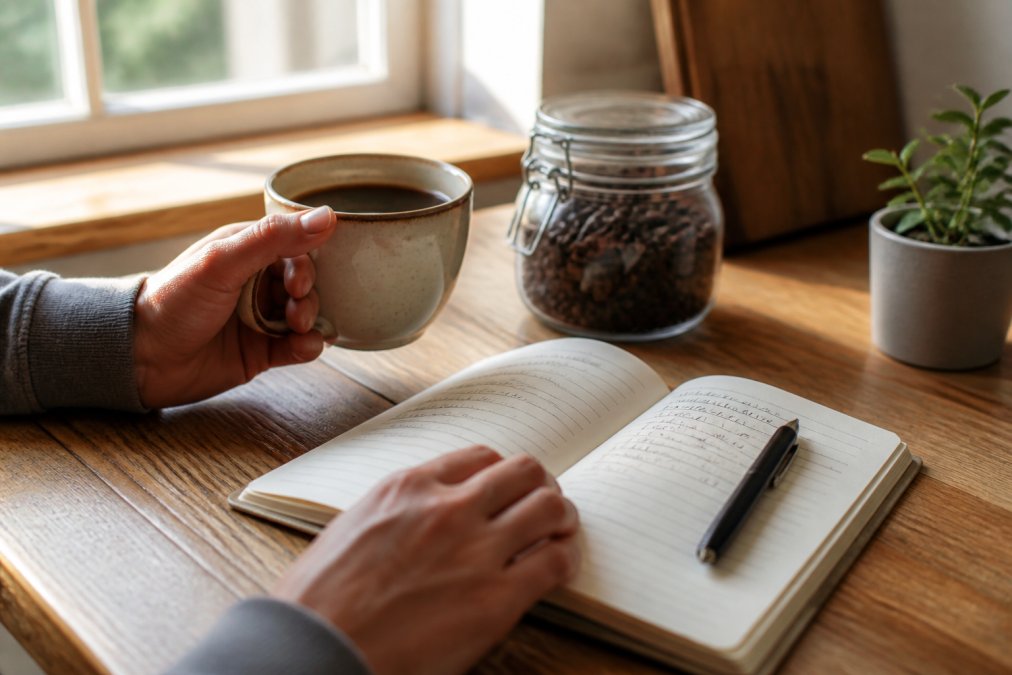
Start by tracking your consumption for one week. Count every cup of brewed coffee you consume, whether it's a full 12-ounce mug, a smaller 8-ounce cup, or a shot in a specialty drink. Don't estimate; write it down. This gives you a baseline number that accounts for your actual behavior, not your aspirational coffee habits.
Once you have a week's data, multiply by 4.3 to get your monthly consumption. If you drink 35 cups per week, that's roughly 150 cups per month. Now convert this to beans: a typical single-origin coffee uses about 0.4 ounces of beans per 8-ounce cup. For specialty blends or darker roasts, you might use slightly more, up to 0.5 ounces, depending on your brewing method and preference.
Here's the practical formula: Monthly cups × 0.4 ounces = beans needed per month. If you drink 150 cups monthly, you need approximately 60 ounces of coffee beans. Most specialty subscriptions deliver 8-12 ounces per shipment, so you'd want deliveries roughly every 5-7 days to maintain freshness.
Account for variation in your schedule. If you work from home full-time, your consumption is consistent. If you travel frequently or have weeks with lighter coffee intake, adjust downward. A conservative approach is better than overordering, you can always pause your subscription during lighter months.
Adjust Your Subscription Frequency to Match Your Habits
Once you know how much coffee you need monthly, the next step is aligning your subscription frequency with that number. This is where most subscriptions fail: they offer fixed schedules (weekly, bi-weekly, monthly) without accounting for individual consumption patterns.
The best approach is choosing a subscription service that allows flexible scheduling. Look for options that let you adjust delivery frequency without penalties or complicated cancellation processes. USM Coffee, for example, offers straightforward frequency adjustments so you can change when the next shipment arrives based on your current inventory.
If you calculated that you need 60 ounces monthly, and your subscription delivers 10 ounces per shipment, you should order every 5-6 days. This keeps your supply fresh while preventing stockpiling. The math is straightforward, but the execution requires honesty about your actual habits, not the coffee consumption you wish you had.
Use Pause and Skip Features Strategically
Modern coffee subscriptions include pause and skip features specifically designed to prevent waste. These tools are underutilized, but they're essential for managing your subscription effectively.
A pause feature temporarily stops deliveries without canceling your subscription. Use this when you know you'll be traveling, have unexpected stockpiles, or are trying a different roast. Pausing for 2-4 weeks doesn't affect your subscription status, it simply delays the next shipment until you're ready.
Skip features work similarly but on a per-delivery basis. If one month you drank less coffee than usual, skip that week's shipment and resume the following week. This prevents the accumulation problem that leads to waste.
The key is using these features proactively, not reactively. Check your bean inventory before each scheduled delivery. If you still have more than a week's worth of fresh beans, skip or pause. This requires discipline, but it's far easier than dealing with stale coffee or canceling altogether.
How to Store Coffee Beans for Freshness
Storage quality directly impacts how long your beans remain fresh, which determines whether your subscription prevents waste or creates it. Poor storage accelerates staleness, making beans unusable even if you have them available.
Coffee beans are at peak freshness for 2-4 weeks after roasting (peer-reviewed research). After that, flavor gradually deteriorates. Roasted beans have a one-way valve that lets CO2 escape while preventing oxygen from entering, this is why quality coffee comes in foil-lined bags with this valve (ncausa.org). Once you open the bag, the clock accelerates.
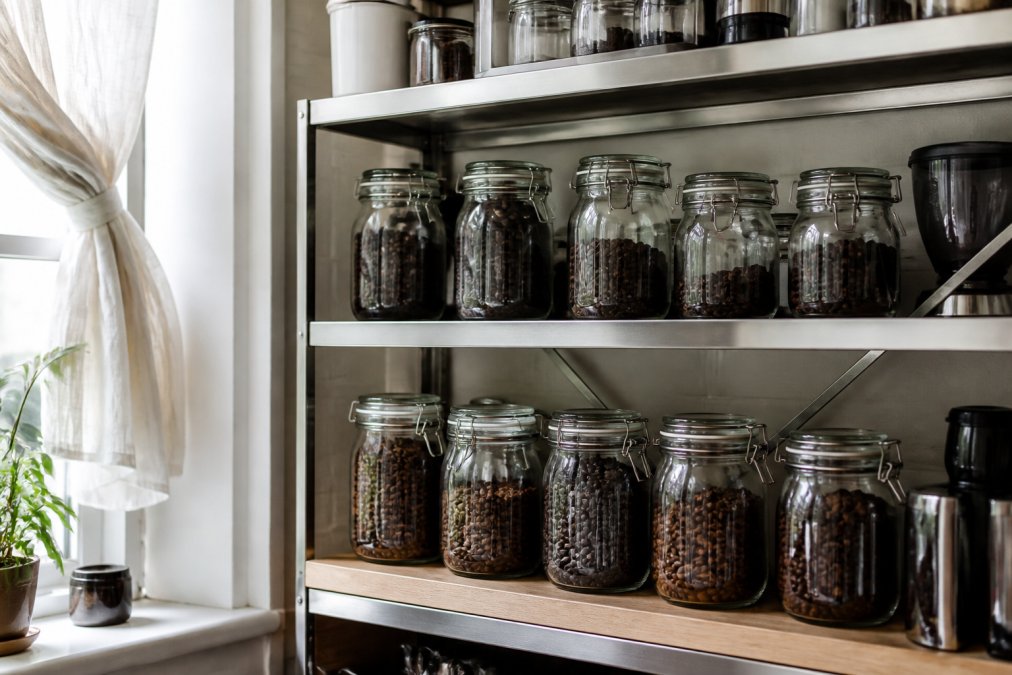
Store opened beans in airtight containers away from direct sunlight, heat, and humidity. Glass containers with secure seals work better than paper bags or open bowls. Keep them in a cool, dark cupboard, not above your stove or near a window. Temperature fluctuations accelerate oxidation, so consistency matters more than cold.
Never refrigerate or freeze coffee beans, despite common recommendations (ncausa.org). Condensation forms when beans move between temperature zones, introducing moisture that degrades flavor. The freezer is acceptable only if you're storing beans long-term (beyond 4 weeks) in airtight, moisture-proof containers, and you commit to thawing them completely before opening.
For unopened bags, store them in their original foil packaging in a cool, dark place. The one-way valve preserves freshness longer than any other method. This is why subscription timing matters: if beans sit unopened for 2-3 months, they lose their peak flavor window even if technically still fresh.
Choosing the Best Dark Roast Coffee Subscription
If dark roasts are your preference, selecting a subscription that prioritizes quality and freshness becomes even more critical. Dark roasts have shorter peak windows than lighter roasts because the roasting process removes more volatile compounds. A stale dark roast tastes flat; a fresh one has complexity and depth.
Look for subscriptions that roast to order or roast frequently in small batches. This ensures beans are roasted within days of shipment, not weeks. USM Coffee roasts every batch to order, which means your beans are roasted specifically for your shipment, maximizing freshness and flavor.
Specialty dark roasts from trusted farms cost more than commodity coffee, so waste becomes even more costly. A best dark roast coffee subscription should include detailed information about origin, roast date, and flavor profile. This transparency lets you make informed decisions about adjusting frequency based on the specific beans.
Consider subscriptions that offer variety within dark roasts. Some months you might want a bold, chocolatey roast; other months, a dark roast with subtle fruit notes. Variety prevents subscription fatigue and keeps you engaged with the coffee you're receiving, which naturally reduces waste.
Reduce Waste Through Sustainable Practices
Beyond managing your subscription frequency, you can minimize waste by adopting sustainable practices that extend the life of your coffee and repurpose what remains.
The most direct approach is buying smaller quantities more frequently. Instead of ordering a month's supply at once, order for 1-2 weeks. This requires more frequent deliveries, but it guarantees fresher beans and eliminates the temptation to hoard. Many subscriptions offer this option without additional fees.
Consider sharing subscriptions with a household member or friend. If you live with someone else who drinks coffee, splitting a subscription doubles your household consumption while keeping individual portions fresh. This works especially well for specialty beans that you want to experience at peak quality.
Upcycling Spent Coffee Grounds
Spent coffee grounds, the grounds left after brewing, have value beyond the trash bin. Rather than discarding them, upcycling extends the usefulness of what you've purchased.
Coffee grounds are excellent for composting. They're nitrogen-rich, which accelerates decomposition in compost piles. If you have a garden or yard, start a simple compost bin. Coffee grounds mixed with leaves and kitchen scraps create nutrient-dense compost within months. This closes the loop: your coffee subscription supports your garden.
Spent grounds also work as a natural exfoliant and deodorizer. Many people use them in homemade face scrubs or body exfoliants. You can also place dried grounds in open containers around your home to absorb odors, they're particularly effective in refrigerators or bathrooms. This gives your spent grounds a second life instead of sending them to landfills.
Some gardeners use wet grounds directly as a soil amendment. Grounds add nitrogen and improve soil structure, making them valuable for houseplants or outdoor gardens. This is especially useful if you don't have a formal composting system.
Recycling and Composting Packaging
The packaging your subscription arrives in represents significant environmental impact. Managing this waste responsibly completes your commitment to avoiding subscription waste.
Coffee bags with one-way valves are typically foil-lined, which makes them challenging to recycle through standard municipal programs. However, many specialty coffee companies partner with recycling programs that accept used coffee packaging. Check your subscription's website for mail-back programs or local drop-off locations.
If mail-back isn't available, the foil-lined bags can be rinsed and repurposed for storage. Many people use empty coffee bags to store other dry goods, spices, or craft supplies. The durable material and built-in seal make them practical for reuse.
Cardboard shipping boxes and packing materials should go into standard recycling. Break down boxes to save space and separate any plastic packing peanuts or air pillows for reuse or proper disposal.
Some subscriptions now offer compostable or recyclable packaging options. If sustainability is a priority, look for services that use paper-based bags or fully recyclable materials. This reduces your environmental footprint and eliminates the recycling complexity.
Create a Subscription Audit Checklist
The most effective way to prevent coffee subscription waste long-term is conducting regular audits of your subscription settings and consumption patterns. A simple checklist keeps you accountable and catches problems before they accumulate.
| Audit Item | Frequency | Action |
|---|---|---|
| Check current bean inventory | Weekly | Pause/skip if you have 2+ weeks of fresh beans |
| Review consumption tracking | Monthly | Adjust subscription frequency if patterns changed |
| Assess bean freshness | Before each delivery | Skip shipment if current beans still peak-fresh |
| Evaluate roast variety | Quarterly | Ensure you're still enjoying the beans you're receiving |
| Check packaging waste | Monthly | Confirm recycling/composting plans are working |
| Adjust for seasonal changes | Seasonally | Reduce frequency in slower months, increase if needed |
Run through this checklist once per month. It takes 10 minutes and prevents the slow accumulation of waste that leads most people to cancel subscriptions entirely.
Pay attention to the roast dates on your beans. If you consistently finish beans before they reach 4 weeks old, your frequency is appropriate. If beans regularly sit unopened for 3+ weeks, you're over-ordering. Adjust downward.
Also track your actual spending versus your original expectations. Coffee subscriptions can feel premium and manageable until you realize you're spending significantly more than you would on store-bought options. If waste is happening, your effective cost per cup rises dramatically. The audit catches this before it becomes a problem.
Coffee subscription waste is preventable with intentional planning and regular adjustments. By calculating your actual consumption, choosing flexible subscription options, storing beans properly, and auditing your subscription quarterly, you maintain access to fresh, high-quality coffee without the guilt of waste.
USM Coffee makes this easier with roasted-to-order beans, flexible delivery scheduling, and straightforward pause and skip features. Start by tracking one week of consumption, set your initial frequency based on that data, and adjust monthly as you learn your actual patterns. The small effort upfront pays dividends in fresher coffee and eliminated waste.
Frequently Asked Questions
How do I pause or cancel a coffee subscription easily?
Most subscription services offer pause and skip features directly in your account dashboard. You can typically pause for one or multiple delivery cycles without canceling entirely. If you need to cancel, look for a cancellation option in account settings or contact customer support. USM Coffee's simple ordering process makes managing your subscription straightforward, check your account settings for pause options that let you control delivery timing without losing your subscription benefits.
What is the best way to store coffee to prevent waste?
Store whole beans in airtight containers away from direct sunlight, heat, and moisture. Keep them at room temperature in a cool, dark cupboard or pantry. Avoid the refrigerator or freezer, as condensation damages beans. Properly stored coffee maintains freshness and flavor for 2-4 weeks after roasting. Buying smaller quantities more frequently prevents over-ordering and ensures you're always brewing with fresh, flavorful beans that taste their best.
How can I calculate my monthly coffee consumption accurately?
Track your daily cup count for two weeks, then multiply by 2 to estimate monthly consumption. Account for weekend variations and seasonal changes in your routine. Most coffee subscriptions require 0.5-1 ounce per cup depending on brew method and strength preference. Once you know your monthly ounces, choose a delivery frequency that matches, weekly, bi-weekly, or monthly, so you receive only what you'll drink before beans lose their peak freshness and flavor.
Are coffee subscription bags recyclable or compostable?
Many coffee bags feature foil-lined materials or one-way valves that preserve freshness but complicate recycling. Check your bag's packaging for recycling symbols and local guidelines. Some bags use compostable or recyclable materials. Coffee grounds themselves are fully compostable and can enrich garden soil or be added to municipal composting programs. Before subscribing, ask if packaging uses sustainable, recyclable, or biodegradable materials aligned with your environmental values.