

How to Identify High Quality Coffee: A Step-by-Step Guide
Table of Contents
- Why Identifying High Quality Coffee Matters
- How to Read Coffee Roast Dates and Understand Freshness
- Visual Inspection: What to Look for in Coffee Beans
- Specialty Grade Coffee vs Commercial: Key Differences
- How to Perform a Coffee Bean Freshness Test
- Reading Coffee Labels: Origin, Processing, and Certifications
- Common Mistakes When Evaluating Coffee Quality
- Frequently Asked Questions
Last Updated: August 31, 2026
Why Identifying High Quality Coffee Matters
Most people grab whatever's on sale and wonder why their morning coffee tastes flat. Learning how to identify high quality coffee changes everything. When you know what signals quality, you stop wasting money on stale, poorly-roasted beans and start tasting the actual character of the coffee, the subtle notes, balanced acidity, and clean finish that make a real difference.
The problem is that coffee marketing is designed to confuse. Brands slap words like "premium" and "specialty" on anything, and most consumers have no framework for evaluating what's actually inside the bag. This guide walks you through the exact steps to identify high quality coffee, from reading roast dates to performing a freshness test to understanding what makes specialty grade coffee fundamentally different from commercial-grade alternatives.
How to Read Coffee Roast Dates and Understand Freshness
The roast date is your single most important indicator of quality. Unlike wine, coffee doesn't improve with age, it deteriorates. The moment beans are roasted, they begin losing the volatile compounds that create flavor and aroma.
Coffee is freshest between 5 and 30 days after roasting. During this window, the beans have finished degassing but haven't yet begun oxidizing significantly. Look for bags that clearly display the roast date on the front or back. If a bag doesn't show a roast date, that's a red flag. Reputable roasters print the roast date prominently because they're confident in their freshness.
When evaluating coffee, check the roast date against today's date. Beans roasted within the past two weeks are ideal for most brewing methods. Anything older than 30 days begins losing the complexity that separates high quality coffee from average options.
Visual Inspection: What to Look for in Coffee Beans
Before you brew, spend 30 seconds looking at the beans themselves. Visual inspection reveals a surprising amount about quality and roast consistency.
Start with uniformity. High quality coffee shows beans that are roughly the same size and color. Uniform beans roast evenly, while inconsistency translates directly to an uneven cup. Next, look for defects. Specialty grade coffee allows for very few defects, insect damage (small holes through the bean), cracks, chips, or significantly smaller or larger beans. One or two defects in a small handful is acceptable; multiple defects per ounce indicate commercial-grade beans.
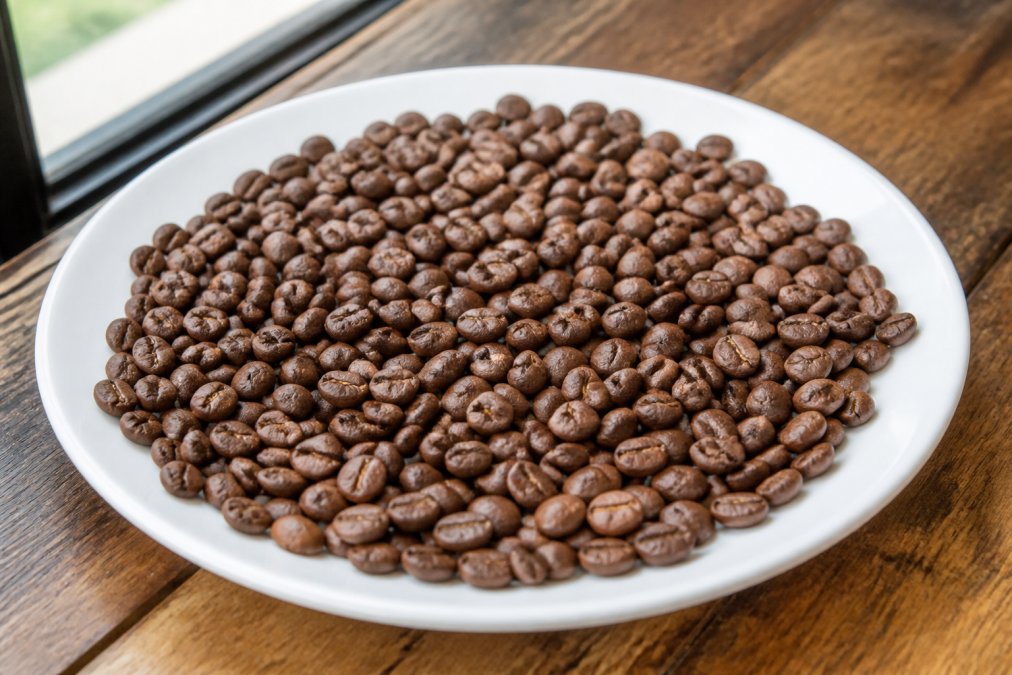
Checking for Bean Uniformity and Defects
Take a small handful of beans and spread them on a white surface. Specialty grade coffee will show beans that are visually similar in size and color. Commercial coffee often includes "floaters" (less dense, lighter beans) and broken pieces.
Defects fall into two categories: primary (insect damage, mold, severe cracks) and secondary (small surface cracks, minor discoloration, slight size variations). Specialty grade allows for zero primary defects and no more than three secondary defects per 300-gram sample. Insect damage is particularly important, it indicates the beans weren't properly stored or processed at origin.
Understanding Roast Level and Oiliness
Roast level affects both appearance and flavor. Light roasts show a matte surface with no visible oil. Medium roasts begin to show slight surface sheen. Dark roasts are visibly oily, this is caramelized sugars and oils that have migrated to the surface during roasting, not a defect.
However, excessive oiliness can indicate over-roasting or poor storage. Light and medium roasts should never appear oily. If you see surface oil on beans labeled as light or medium roast, avoid that bag.
Specialty Grade Coffee vs Commercial: Key Differences
The coffee industry uses a grading system that separates specialty grade from commercial grade. Specialty grade coffee is scored by certified Q-graders on a 100-point scale. To qualify as specialty grade, coffee must score 80 points or higher, this encompasses the top 10-15% of coffee produced globally. Specialty grade beans typically come from specific origins, are traceable to individual farms, and have documented processing methods.
Commercial grade coffee is everything below 80 points. It's often a blend of beans from multiple origins and designed to be inoffensive rather than interesting. The practical difference shows up in your cup: specialty grade coffee reveals origin characteristics (citrus, chocolate, stone fruit notes), while commercial coffee tastes generic.
When learning how to identify high quality coffee, focus on single-origin, specialty grade options. These beans have a documented roast date and are roasted by someone who cares about the final product.
How to Perform a Coffee Bean Freshness Test
Beyond the roast date, you can test freshness yourself using your senses. The most reliable test is the bloom test, which you perform while brewing. When you first pour hot water over fresh coffee grounds, they should bloom, releasing CO2 in visible bubbles. Fresh coffee (within 3-4 weeks of roasting) blooms dramatically; stale coffee barely blooms at all.
The Aroma Assessment Method
Open a bag of whole beans and smell immediately. Fresh coffee has a bright, complex aroma, you might detect floral notes, fruity sweetness, or chocolate undertones depending on the origin. The aroma should be inviting and layered, not flat or musty.
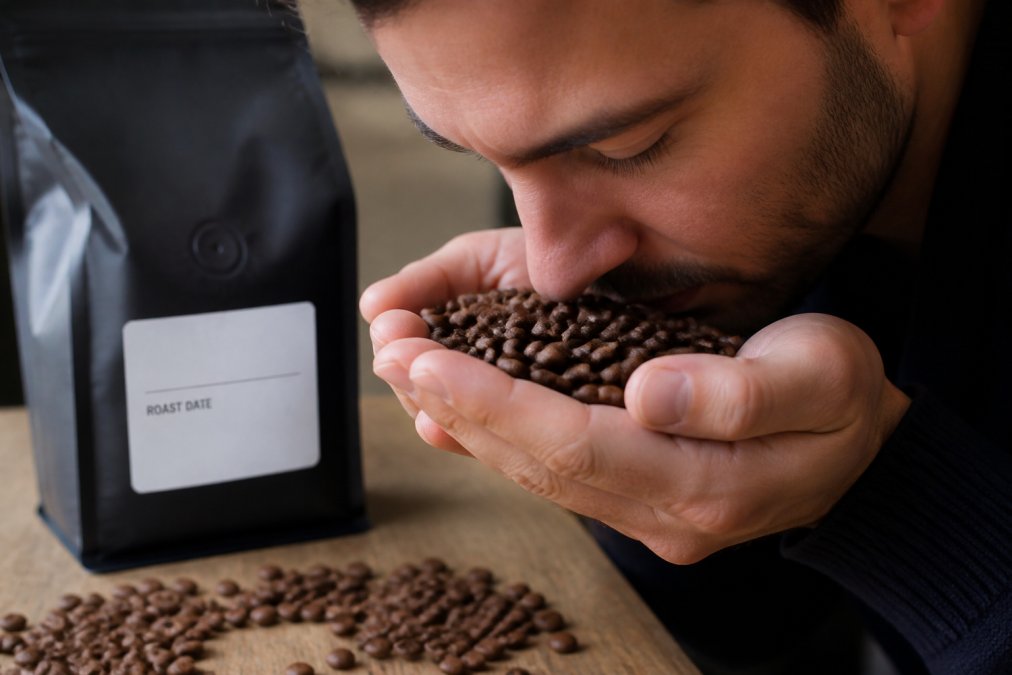
Stale coffee smells muted. If you open a bag and smell nothing particularly interesting, the beans are past their prime.
Evaluating Flavor Profile and Balance
Once you brew, high quality coffee shows balance across four dimensions: acidity, body, flavor, and aftertaste.
Acidity in coffee isn't about pH, it's about brightness and liveliness. High quality coffees show pleasant acidity that brings out flavor notes. Body refers to the weight and texture in your mouth. Light-bodied coffee feels clean; full-bodied coffee feels rich. What matters is that the body should match the acidity and flavor.
Flavor profile is where specialty grade coffee shines. Instead of tasting like generic "coffee," high quality coffee reveals specific tasting notes, chocolate, berries, nuts, or floral notes depending on origin, altitude, processing, and roast level. The aftertaste should be pleasant and clean, making you want another sip.
Reading Coffee Labels: Origin, Processing, and Certifications
The label on a coffee bag tells you where the beans came from and how they were processed.
Origin should be specific. "Huila Region, Colombia" is better than "Colombia." Single-origin coffees tend to be higher quality because they're traceable and showcase specific place characteristics.
Processing method affects flavor. Washed coffees are clean and bright. Natural coffees are fruity and full-bodied. Honey coffees balance the two, offering complexity with some fruit notes.
Certifications like Fair Trade, Rainforest Alliance, and organic indicate additional quality standards or ethical practices. While they don't guarantee exceptional flavor, they indicate the coffee meets specific standards.
Altitude often appears on specialty labels and correlates with quality. Coffee grown at higher altitudes (above 1,200 meters) tends to have more complex flavor because beans develop more slowly.
When evaluating a label, look for specificity. The more details provided, specific farm name, altitude, processing method, harvest date, roast date, the more confidence you should have in quality.
Common Mistakes When Evaluating Coffee Quality
The first mistake is trusting packaging design over substance. Beautiful bags don't guarantee quality; judge the coffee by the information provided and the beans themselves.
The second mistake is assuming price equals quality. A well-roasted, fresh single-origin coffee from a small roaster might cost less than a poorly-roasted, stale bag from a big brand.
The third mistake is ignoring your own taste preferences. High quality coffee doesn't mean coffee you personally enjoy. Learn to identify quality, then choose coffees that match your preferences.
The fourth mistake is brewing stale coffee and blaming the beans. Even high quality coffee tastes mediocre if it's been sitting in your pantry for three months. Buy in smaller quantities more frequently.
The fifth mistake is using old, dirty brewing equipment. Clean your equipment regularly and use fresh, filtered water.
Identifying high quality coffee is a skill that improves with practice. Start by checking roast dates, looking for visual uniformity, and performing the aroma test. As you taste more specialty grade coffees, you'll develop a palate that recognizes balance, complexity, and freshness instinctively.
At USM Coffee, we make this easier by handling the sourcing and roasting for you. Every bean we offer is specialty grade, roasted to order for maximum freshness, and traceable to trusted farms. When you start with beans you can trust, learning how to identify high quality coffee becomes a journey of discovery rather than a frustrating guessing game.
| Evaluation Method | What to Look For | Quality Signal |
|---|---|---|
| Roast Date | Beans roasted within 5-30 days | Peak freshness and flavor complexity |
| Visual Inspection | Uniform color and size, minimal defects | Consistent roasting and proper processing |
| Aroma Assessment | Bright, layered, complex smell | Fresh beans with intact aromatic compounds |
| Flavor Balance | Pleasant acidity, appropriate body, specific tasting notes | Well-roasted specialty grade coffee |
| Label Details | Specific origin, processing method, certifications | Traceability and quality standards |
Frequently Asked Questions
How long does coffee stay fresh after roasting? Coffee is freshest between 5 and 30 days after roasting. It remains drinkable for several weeks longer, but flavor complexity decreases over time.
What's the difference between "best by" and "roast date"? A roast date tells you exactly when the beans were roasted. A "best by" date is a manufacturer's estimate of when flavor will begin declining. Always prioritize the roast date.
Can I identify high quality coffee without specialty equipment? Yes. Visual inspection, aroma assessment, and basic brewing reveal most quality indicators.
Should I buy whole beans or ground coffee? Whole beans stay fresh much longer than ground coffee. Buy whole beans and grind just before brewing.
What water should I use for brewing? Filtered water is ideal. Tap water with high mineral content or chlorine affects flavor and extraction consistency.
EXTERNAL CITATIONS FOR REFERENCE:
According to the Specialty Coffee Association grading standards, coffee must score 80 points or higher on a 100-point scale to qualify as specialty grade, placing it in the top 10-15% of globally produced coffee.
Research on coffee freshness and oxidation shows that volatile aromatic compounds in roasted coffee begin degrading immediately after roasting, with the most significant flavor loss occurring after 30 days of storage.
The Fair Trade USA certification standards] require transparency in sourcing and ethical farming practices, making certifications a useful indicator when evaluating coffee labels for quality and origin accountability.
Frequently Asked Questions
Why does roast date matter when buying coffee?
Roast date is critical because coffee begins losing flavor immediately after roasting. Beans roasted within the past 2-4 weeks deliver peak aroma, acidity, and flavor balance. After 30 days, oxidation accelerates and the coffee tastes flat. Always check the roast date on the bag before purchasing.
What is the difference between specialty grade and commercial coffee?
Specialty grade coffee scores 80+ points on a 100-point cupping scale and comes from single-origin farms with documented processing methods and altitude. Beans are carefully sorted for uniformity and defects are minimal. Commercial coffee blends lower-scoring beans and prioritizes volume over flavor. Specialty grade offers distinct tasting notes and origin transparency; commercial coffee tastes generic and lacks traceability. The difference is immediately noticeable in aroma and aftertaste.
How can I tell if coffee beans are fresh without tasting them?
Use the aroma test: squeeze a small handful of beans in your palm for 10 seconds, then smell immediately. Fresh, high-quality beans release vibrant, complex aromas. Stale beans smell muted or flat. Also check the roast date (should be within 2-4 weeks), and look for uniform bean color and size. These sensory and visual checks confirm freshness before brewing.
What should I look for on a coffee label to ensure quality?
Look for: a recent roast date, single-origin designation with specific farm or region name, altitude (higher elevation beans develop more acidity and complexity), processing method (washed, natural, or honey process), and quality certifications like Fair Trade or direct-trade. Avoid bags without a roast date or vague labels like 'premium blend.' Transparency about origin, varietal, and processing method indicates specialty grade coffee. These details signal that the roaster prioritizes quality and traceability.