

Is Expensive Coffee Worth It? A Real Analysis
Table of Contents
- What Actually Justifies the Price of Premium Coffee
- Specialty Coffee vs. Commercial Coffee: Where the Real Difference Lies
- The Role of Origin, Terroir, and Processing Methods
- How to Keep Coffee Beans Fresh Longer and Protect Your Investment
- Brewing Equipment Impact: Can You Taste the Difference?
- The Daily Driver vs. Special Occasion Framework
- Is Expensive Coffee Worth It? The Honest Answer
Last Updated: August 20, 2026
What Actually Justifies the Price of Premium Coffee
A pound of commodity coffee costs $8. A pound of single-origin specialty coffee runs $16 to $24 or more. That gap isn't arbitrary, it reflects genuine quality differences in origin, processing, roasting skill, and freshness.
Premium coffee commands higher prices because of what happens before the beans reach your cup. Each factor compounds to create a noticeably different product if you know what to look for.
The real question is whether the price reflects actual quality improvements you can taste, or whether you're paying for branding. Most people buying expensive coffee for the first time expect a dramatic transformation, then brew it the same way they always have and wonder why it doesn't taste like a café. The answer is that premium beans expose the limitations of your brewing setup and require you to taste coffee critically, which takes practice.
Here's what separates genuinely excellent coffee from overpriced mediocrity: traceability, freshness, and roasting precision. When you can trace your beans back to a specific farm, know they were roasted within the last two weeks, and brew with proper temperature control, the premium price becomes defensible.
Specialty Coffee vs. Commercial Coffee: Where the Real Difference Lies
Specialty coffee refers to beans that score 80 or higher on the Specialty Coffee Association's 100-point cupping scale. Commercial coffee includes everything below that threshold, the beans that end up in supermarket cans and bags.
Specialty coffee is grown at higher altitudes, harvested more selectively, and processed with more care. Commercial coffee prioritizes volume and shelf stability over flavor complexity.
When you taste specialty coffee next to commercial coffee, the differences are obvious. Specialty coffee has clarity, individual flavor notes stand out. You might taste blueberry, chocolate, or citrus. Commercial coffee tastes flat by comparison, with flavors blending into something generic.
Specialty coffee beans come from specific regions, often single-origin lots from individual farms. Commercial coffee blends beans from multiple countries and harvests, creating consistency but eliminating character. Processing methods also diverge sharply. Specialty roasters use washed, natural, and honey processing deliberately, understanding how each affects flavor. Commercial roasters prioritize efficiency using industrial-scale equipment that processes thousands of pounds daily.
The freshness gap is perhaps most significant. Specialty coffee roasters roast to order, meaning your beans were roasted days or weeks before you receive them. Commercial coffee sits in warehouses for months. Freshness directly impacts flavor extraction and complexity.
The Role of Origin, Terroir, and Processing Methods
Coffee grown in different regions tastes different because of terroir, the combination of soil, elevation, climate, and water conditions. A bean from Ethiopia tastes different from Colombia, which tastes different from Kenya. These differences are real and measurable.
Elevation matters enormously. Coffee grown at higher altitudes develops more complexity because plants mature slowly. Higher altitude means lower temperatures, extending the growing season and allowing sugars to develop more fully. A coffee grown at 6,000 feet tastes noticeably different from coffee grown at 2,000 feet.
The processing method fundamentally shapes the final flavor profile. In the washed process, farmers ferment beans in water for 24 to 72 hours, then wash away the fruit, producing clean, bright flavors with pronounced acidity. In the natural process, farmers dry the whole cherry in the sun for weeks, allowing fruit sugars to infuse into the bean, creating fruitier, sweeter coffee with lower perceived acidity. The honey process removes the skin but leaves some sticky fruit attached during drying, balancing the two approaches.
These aren't theoretical distinctions. A natural-process Ethiopian coffee tastes like blueberries and wine. A washed-process Colombian tastes like chocolate and citrus. A honey-process Costa Rican tastes like caramel and stone fruit. Origin and processing method are the primary drivers of flavor complexity.
How roasting quality and freshness affect your cup
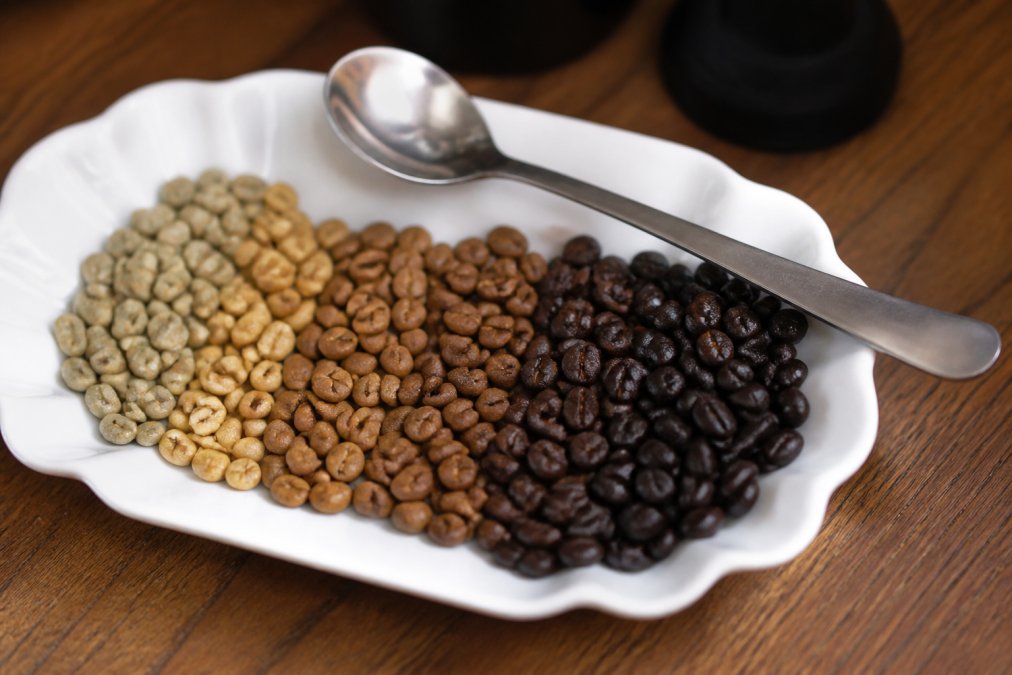
Roasting is where specialty coffee separates from commodity coffee most visibly. A specialty roaster understands how heat transforms green beans, adjusting their approach based on bean density, moisture content, and origin characteristics.
Light roasts preserve origin flavors but require precise temperature control to first crack (around 356°F) without overshooting. Dark roasts develop deeper flavors but require knowing when to stop to prevent burning. Medium roasts demand the most skill, balancing enough heat to develop body and sweetness while preserving origin character.
Commodity roasters use time-temperature profiles that work for any bean, optimizing for consistency rather than flavor. Specialty roasters adjust based on specific origin and processing method, which requires skill and experience.
Freshness is where the investment in expensive coffee either pays off or evaporates. Coffee begins deteriorating the moment it's roasted. Within two weeks, aromatic compounds break down. Within four weeks, the coffee tastes noticeably flatter. By eight weeks, much complexity is gone.
Roast-to-order models matter because you receive coffee that's days or weeks old, not months old. Fresh-roasted coffee has clarity and complexity. Stale coffee tastes muted and one-dimensional.
How to Keep Coffee Beans Fresh Longer and Protect Your Investment
If you're spending premium prices on specialty coffee, protecting that investment through proper storage makes sense. Coffee beans are susceptible to four enemies: oxygen, light, heat, and moisture.
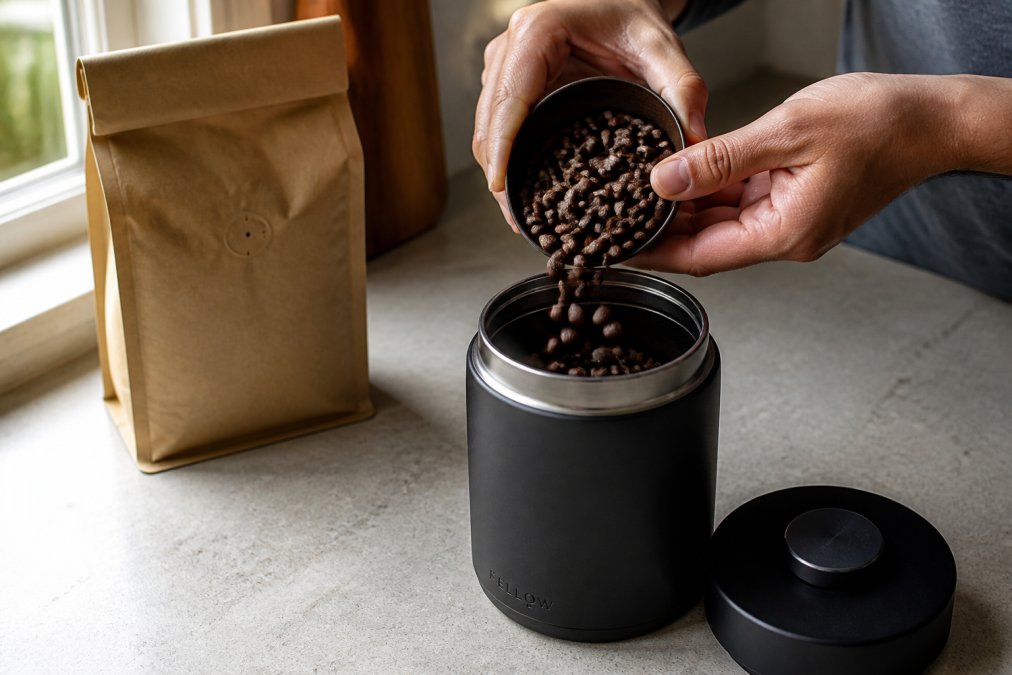
The best storage approach uses an airtight container that minimizes oxygen exposure. A vacuum canister like the Fellow Atmos removes air actively, slowing oxidation significantly while blocking light and protecting from temperature fluctuations. For beans you'll use within two weeks, an airtight container at room temperature works fine. For longer storage, a cool, dark cabinet is better than the freezer.
Avoid storing coffee in the bags it arrives in, even with one-way valves. Those valves let CO2 escape but don't prevent oxygen from entering.
Grind coffee immediately before brewing. Pre-ground coffee stales rapidly because grinding increases surface area exposed to oxygen. Whole beans stay fresh for three to four weeks. Ground coffee stays fresh for 30 minutes to an hour.
Buy in quantities you'll use within two to three weeks. A five-pound bag sounds economical until half goes stale before you finish it. Smaller, more frequent purchases preserve quality better.
Brewing Equipment Impact: Can You Taste the Difference?
This is where expensive coffee reveals a hard truth: the quality of your brewing equipment directly determines whether you can taste what you paid for.
A standard automatic drip coffee maker heats water to around 190°F, which is too cool for optimal extraction. Specialty coffee requires water between 195°F and 205°F. A few degrees matter because they control how quickly compounds dissolve from the grounds. Too cool, and you under-extract (weak, sour coffee). Too hot, and you over-extract (bitter, harsh coffee).
Automatic drip makers also spray water unevenly, meaning some grounds are over-extracted and some are under-extracted. The result is a muddled cup.
If you want to taste the difference expensive coffee makes, you need equipment that maintains proper temperature and distributes water evenly. The Technivorm Moccamaster KBGV Select maintains brewing temperature between 196°F and 205°F and uses a copper heating element for consistency. It costs around $300 to $350, but it's one of the few automatic drip machines that actually extracts coffee properly.
Pour-over methods like the Chemex or Hario V60 give you manual control over water temperature and pour rate. They're cheaper than the Moccamaster and arguably more effective if you're willing to spend 3 to 4 minutes brewing. The AeroPress Go offers portability and excellent extraction in about 1 minute.
Espresso machines require even more precision. The Breville Barista Touch Impress ($1,499.95) handles temperature and pressure automatically, but you still need a quality grinder like the Eureka Mignon Specialita ($600 to $700).
Here's the uncomfortable truth: you can't taste the difference expensive coffee makes without equipment that costs at least $40 to $50. An AeroPress or basic pour-over setup is sufficient. A standard automatic drip maker will sabotage even the best beans.
The Daily Driver vs. Special Occasion Framework
This framework separates genuinely useful expensive coffee from wasteful overspending.
A daily driver coffee is what you drink every morning without thinking. It should cost $12 to $16 per pound, good enough to enjoy but not so expensive that you worry about wasting it. It should be forgiving, flavorful enough to taste good even if your brewing isn't perfect.
A special occasion coffee costs $18 to $28 per pound. It has complexity that rewards careful brewing and close tasting. You use more precision: weighing beans, controlling water temperature, timing extraction.
Most people make the mistake of buying expensive special occasion coffee and drinking it as a daily driver. They brew it in an automatic drip machine while checking email, then wonder why it doesn't taste as good as at the café. The coffee isn't the problem. The brewing method and attention are.
If you're buying expensive coffee, ask yourself: Am I going to brew this carefully, or will it become background noise? If it's the latter, buy a better daily driver coffee instead.
Is Expensive Coffee Worth It? The Honest Answer
Expensive coffee is worth it when three specific conditions align.
First, the coffee must actually be fresh. If it was roasted more than three weeks before you brew it, the premium price is wasted. Freshness is the primary driver of flavor complexity. Stale expensive coffee tastes worse than fresh commodity coffee. Roast-to-order models like USM Coffee ensure freshness because roasting happens after you order.
Second, you need brewing equipment that extracts properly. Without proper temperature control and even water distribution, you're throwing away the potential of premium beans. The minimum investment is around $40 for a quality pour-over setup or an AeroPress.
Third, you need to actually taste the coffee. This means brewing with intention, paying attention to flavor, and comparing it to other coffees. If you're rushing through your morning coffee without thinking about it, you won't notice the difference expensive coffee makes.
When all three conditions exist, expensive coffee absolutely delivers value. The flavor complexity, clarity, and character of well-roasted specialty beans is noticeably superior to commodity coffee. If you care about what you drink, it matters.
If any condition is missing, expensive coffee is a waste of money. Stale expensive coffee tastes like stale coffee. Expensive coffee brewed in a mediocre machine tastes like mediocre coffee. Expensive coffee consumed without attention tastes like background noise.
Expensive coffee reveals what specialty roasters can achieve when they prioritize quality over volume. But that premium only matters if you have the equipment and intention to taste what they've created. USM Coffee's roast-to-order approach ensures your beans arrive fresh, eliminating one major barrier to experiencing specialty coffee properly. Pair that freshness with a quality brewing method, even something as simple as an AeroPress, and you'll finally understand why people spend premium prices on coffee. The difference becomes unmistakable.
Frequently Asked Questions
Is there a noticeable taste difference between grocery store and specialty coffee?
Yes. Specialty coffee undergoes rigorous cupping evaluation and traceability from origin to roaster. Commodity coffee, mass-produced, often months old, loses volatile aromatics and develops oxidized, stale flavors. Fresh-roasted specialty beans brewed within two weeks deliver complexity, distinct flavor notes, and acidity that grocery store coffee cannot match. Most drinkers detect this difference immediately in a side-by-side tasting.
What factors actually contribute to the price of premium coffee?
Premium pricing reflects: cultivation altitude (higher = more complex flavor), single-origin traceability, fair trade or direct trade sourcing, specialty processing methods (natural, honey, washed), roast-to-order freshness, and supply chain transparency. Ethical sourcing ensures farmers receive sustainable income. Roasting quality demands precision equipment and skilled operators. These costs compound, but they result in superior sensory experience and support responsible farming practices.
How does roast date affect the value of expensive coffee?
Roast date is critical. Coffee reaches peak flavor 3-7 days post-roast after degassing completes. By two weeks, it's still excellent; by four weeks, aromatics fade noticeably. Expensive coffee loses its value rapidly if stale. Roast-to-order models ensure you receive beans at their peak window. Checking roast dates is the fastest way to confirm you're not overpaying for old inventory masquerading as premium.
Can a regular drip coffee maker brew expensive coffee well, or do you need fancy equipment?
A regular drip maker can brew good coffee, but expensive beans reveal their complexity better with precise temperature control (196-205°F) and consistent contact time. Standard drip makers often underbrew or overheat, losing subtle flavor notes. Equipment like the Moccamaster or AeroPress extracts more fully, making premium beans shine. That said, fresh specialty beans will taste noticeably better than commodity coffee even in basic equipment, the gap simply widens with better brewing.