

Is Light Roast Coffee Worth It for Beginners
Table of Contents
- What Makes Light Roast Coffee Different
- Light Roast vs Dark Roast Flavor Profile
- Is Light Roast Coffee More Acidic
- Caffeine Content and Bean Density
- How to Brew Light Roast Coffee
- Cost-Benefit Analysis for Beginners
- Equipment Barrier and Palate Training
- Frequently Asked Questions
Last Updated: September 28, 2026
What Makes Light Roast Coffee Different
Light roast coffee is worth it for beginners because it preserves the origin-driven character and nuanced flavors that darker roasts mask with caramelization. When coffee beans are roasted to a light level, they retain more of their original terroir, the environmental factors that shape taste. This means you're tasting what the farm, altitude, and soil actually contributed to the bean.
The roasting process stops before the second crack, which is when beans fully caramelize. At this point, the coffee's acidity and brightness remain prominent. For someone new to specialty coffee, this can feel jarring if you're used to the smooth, muted flavors of commercial dark roasts. But that's exactly where the value lies: light roasts teach your palate what coffee actually tastes like before processing and roasting decisions reshape it.
USM Coffee's approach to light roasts centers on this principle. Their carefully sourced beans from trusted farms worldwide are roasted to order, which means the degassing process, where CO2 escapes after roasting, happens gradually as you brew. This freshness matters more with light roasts than dark ones, since the delicate floral notes and fruity undertones fade faster once the beans are exposed to air.

Light Roast vs Dark Roast Flavor Profile
The flavor difference between light and dark roasts comes down to what you're tasting: the origin or the roasting process itself. Dark roasts taste like caramel, chocolate, and smoke because caramelization dominates the flavor profile. Light roasts taste like the place they came from.
Origin-driven character and terroir
A light roast from Tanzania will taste completely different from a light roast from Ethiopia, even if both are roasted the same way. This is terroir at work. The Mbeya region of Tanzania produces coffees with pear and floral notes because of its altitude, soil composition, and climate. Ethiopia's Sidama zone grows beans with milk chocolate and fruity undertones due to its own unique environmental conditions.
When you choose a light roast, you're choosing to experience these regional differences. USM Coffee's Tanzania single-origin showcases this perfectly, medium-light roasted beans from small cooperative farmers at 1200-1900 meters elevation deliver pear, floral, jasmine, and strawberry notes that a darker roast would bury. The fully washed and raised-bed drying process also contributes to the cup's clarity.
Dark roasts, by contrast, homogenize these differences. A dark roast from any origin starts to taste similar because the roasting process overpowers the origin. This isn't bad, it's just a different choice. For beginners, though, light roasts offer more educational value because each origin teaches you something new.
Acidity and brightness differences
Acidity in coffee isn't a flaw, it's a feature. In light roasts, acidity comes across as brightness and liveliness on your palate. It's the sensation that makes your mouth feel alive. Dark roasts have less perceived acidity because the extended roasting time breaks down the acids that create that sensation.
This is where beginners often struggle. If you're used to dark roast coffee, a light roast can feel sharp or sour at first. Your taste buds aren't calibrated for brightness yet. But within a few cups, most people begin to appreciate it. The acidity in a light roast from Ethiopia Natural, with its milk chocolate and fruity profile, actually enhances the sweetness rather than overwhelming it.

Is Light Roast Coffee More Acidic
Yes, light roast coffee contains more titratable acidity, the actual acid compounds in the bean, than dark roast. But "more acidic" doesn't mean "sour" or "bad for your stomach." The relationship between roast level and perceived acidity is more nuanced.
When coffee is roasted longer, heat breaks down chlorogenic acid and other compounds that contribute to brightness. A light roast retains these compounds, which is why it tastes brighter and more lively. A dark roast has less of these acids because they've been chemically altered by heat.
For people with acid reflux or sensitive stomachs, light roast can feel problematic. But the issue isn't the roast level alone, it's usually the brewing method and water chemistry. Proper brewing technique actually reduces the extraction of harsh acids. Using water that's too hot or brewing for too long pulls out more solubles, including the ones that irritate your stomach.
If you have digestive sensitivity, start with a light roast that's been fully washed and dried on raised beds, like USM Coffee's Tanzania. The washing process removes some of the acids from the bean's surface. Then focus on brewing technique: lower water temperature and shorter brew time mean less extraction and a gentler cup.

Caffeine Content and Bean Density
Light roast coffee has slightly more caffeine than dark roast. The difference is small, but it's measurable.
Bean density also differs between roasts. Light roast beans are denser because they haven't expanded as much from heat. This density affects how water interacts with the bean during brewing. Denser beans require more time for water to penetrate and extract the solubles. This is why light roast often needs a slightly longer brew time or hotter water than you might expect.
For beginners, this matters practically. If you're using a standard coffee scoop, you're measuring by volume, not weight. A scoop of light roast beans weighs more than a scoop of dark roast beans because they're denser. This means you're actually using more coffee than you think, which can lead to over-extraction and bitterness if you're not careful.
The solution is simple: weigh your beans. A kitchen scale that measures grams costs under $20 and immediately solves this problem. For light roast, aim for a 1:16 ratio of coffee to water by weight. That means 20 grams of coffee to 320 grams of water.
How to Brew Light Roast Coffee
Light roast coffee demands more attention to technique than dark roast, but the payoff is worth it. The goal is to extract the origin-driven flavors without pulling out the harsh compounds that create sourness.
Water temperature and bloom phase
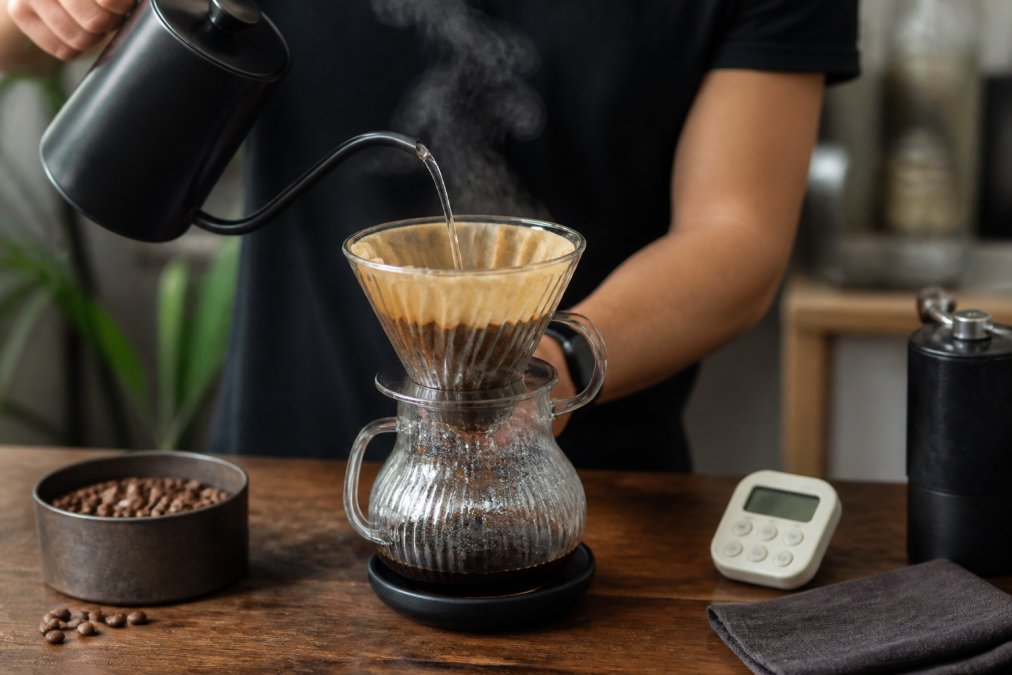
Water temperature is the single biggest variable for light roast brewing. Use water between 195-205°F. If your water is boiling (212°F), let it cool for 30 seconds before pouring. Too-hot water over-extracts light roast and amplifies acidity into unpleasant sourness.
The bloom phase is where most beginners skip a crucial step.
Grind size and brew time
Grind size determines how quickly water passes through the coffee bed. For light roast, use a medium grind, coarser than espresso, finer than French press. If you're using a pour-over dripper, the water should take 3-4 minutes total to pass through the grounds. If it's faster, your grind is too coarse. If it's slower, your grind is too fine.
Cost-Benefit Analysis for Beginners
Is light roast coffee worth the investment? That depends on what you're comparing it to and what you value.
| Investment | Cost | Break-Even Point |
|---|---|---|
| Burr grinder | $50-80 | 8-10 bags |
| Pour-over dripper | $15-25 | 1-2 bags |
| Kitchen scale | $15-20 | 1 bag |
| Light roast coffee | $22.99/bag | Immediate value |
| Total starter setup | ~$100-125 | ~6-7 bags |
Equipment Barrier and Palate Training
The equipment barrier is real, but it's not insurmountable. You don't need expensive gear to enjoy light roast coffee. You need the right gear, which is different.
Frequently Asked Questions
Is light roast coffee actually higher in caffeine than dark roast?
Yes, light roast coffee contains slightly more caffeine than dark roast. The longer roasting process used for dark roasts breaks down some caffeine compounds, while light roast's shorter roasting time preserves more caffeine content. However, the difference is modest, typically 1-2% more per bean. Brewing method matters more: espresso delivers more caffeine per shot than pour-over, regardless of roast level.
Does light roast coffee taste more acidic than dark roast?
Light roast coffee has higher acidity and brightness compared to dark roast, which develops more caramelization and bitterness during longer roasting. This acidity isn't sourness, it's the crisp, lively quality that brings out floral notes, fruity undertones, and origin-driven flavors. If you're sensitive to acidic coffee, brewing with slightly cooler water or choosing naturally processed beans can reduce perceived acidity.
What's the best way for beginners to brew light roast coffee?
Start with a pour-over or drip brewer and use water between 195-205°F. Grind your beans medium-fine, bloom them for 30-45 seconds before adding the rest of the water, and brew for 3-4 minutes total. Light roast extracts faster than dark roast, so avoid over-extraction. A simple manual brewing method teaches you how grind size, water temperature, and brew time affect flavor, skills that improve your coffee experience regardless of equipment.
Is light roast coffee worth the extra cost for beginners?
Light roast is worth trying if you enjoy nuanced flavors and fresh-roasted quality. At $22.99 per bag, specialty light roasts cost more than mass-market coffee, but you're paying for beans roasted to order, single-origin character, and terroir expression. The real value depends on your palate: if you taste the difference between a light roast's floral notes and a dark roast's caramel, the cost justifies itself. Start with a sample pack to avoid committing to a full bag.
Do I need fancy equipment to enjoy light roast coffee as a beginner?
No. A basic drip coffee maker, pour-over cone, or French press works fine for light roast. What matters more is water temperature and grind consistency. A burr grinder (around $30-50) makes a bigger difference than expensive brewing gear. Light roast's bright acidity and fruity notes shine through even in simple equipment, though manual brewing methods give you more control over extraction and help you develop your palate faster.