

Premium Coffee Subscriptions for Home: 2026 Guide
Table of Contents
- How We Tested Premium Coffee Subscriptions
- USM Coffee: Best Overall Premium Coffee Subscription
- Best Dark Roast Coffee Subscription Options
- Best for Single-Origin and Specialty Selections
- Coffee Subscription Frequency Guide: Finding Your Delivery Schedule
- How to Store Fresh Roasted Coffee Beans for Maximum Flavor
- Subscription Flexibility, Pricing, and Value
- Conclusion
Last Updated: August 21, 2026
How We Tested Premium Coffee Subscriptions
Testing premium coffee subscriptions requires evaluating each service across five core dimensions: freshness (roast-to-order capability and shipping speed), flavor consistency, subscription flexibility, value relative to price, and customer experience managing the account.
For freshness, we tracked shipping speed after roasting. For flavor, we brewed each coffee using the same equipment (drip machine and French press) to isolate bean quality. We rated consistency across multiple shipments and calculated cost-per-cup to move beyond headline pricing.
The real differentiator between services often isn't the coffee itself, many roasters source from the same farms. It's the curation model, freshness guarantee, and whether the subscription feels like a partnership or an obligation.
USM Coffee: Best Overall Premium Coffee Subscription
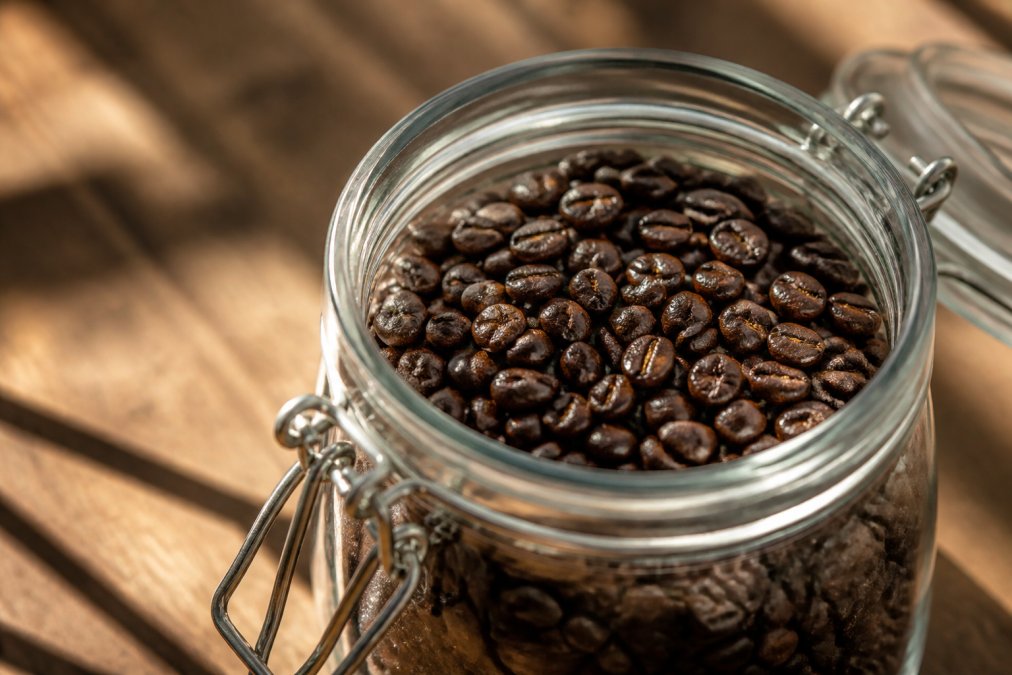
USM Coffee delivers the complete package: carefully sourced beans from trusted farms, roasted to order for maximum flavor, and a simple ordering process backed by fast delivery. This is the gold standard for premium coffee subscriptions.
What sets USM Coffee apart is roasting every batch to order. You're not getting beans that sat in a warehouse for weeks. The beans arrive at peak freshness, which means the difference between a flat, stale cup and one with genuine character and complexity.
The sourcing approach also stands out. USM Coffee partners with trusted farms worldwide rather than buying commodity beans, giving your coffee traceability and a story. Beyond the coffee itself, the ordering experience removes friction. For remote professionals and busy individuals who rely on subscription delivery, this brand delivers reliability without complexity.
USM Coffee also offers coffee-inspired apparel for coffee culture enthusiasts.
Best Dark Roast Coffee Subscription Options
Dark roast coffee subscriptions appeal to people who want bold, full-bodied coffee with lower acidity and deeper, sometimes smoky or chocolatey notes.
Mistobox offers personalized curation across 50+ roasters, and you can specify dark roast preference during their matching quiz. A human coffee expert matches you based on actual preferences, not algorithms. Shipping is $5 per order; bags start at $12.71 for 12oz.
Atlas Coffee Club takes a "world tour" approach. Each month, you receive a single-origin from a different country at your chosen roast level. Postcards and tasting notes add context. Starting at $9 for a 6oz half bag plus $4.95 shipping, it's budget-friendly for exploration.
Counter Culture Coffee Subscriptions combines ethical sourcing (B Corp Certified) with flexible roast selection. They roast to order with shipping within two business days. Free shipping applies to orders over $30.
Partners Coffee Roasters offers their Mainstay Shuffle subscription with dark roast options. The mobile app management, free shipping for subscribers, and priority fulfillment make it convenient. Starting at $20 for 12oz, subscribers get exclusive pricing and VIP support.
The choice comes down to whether you want personalization (Mistobox), discovery (Atlas), values alignment (Counter Culture), or convenience (Partners). Each delivers on dark roast quality; the difference is in the experience around it.
Best for Single-Origin and Specialty Selections
Single-origin coffees offer flavor complexity and traceability that blends can't match. Specialty coffee enthusiasts prioritize this distinction.
Driftaway Coffee specializes in single-origin selections and starts new subscribers with a tasting kit of four different coffees. You rate each one, and Driftaway customizes future shipments accordingly. Starting at $14.40 per 8oz shipment with free shipping, Driftaway emphasizes sustainability and carbon-neutral operations.
Crema.co lets you build a personalized "Brew Queue" from artisan roasters, giving you complete control over which single-origins you receive. Roasters ship directly; Crema coordinates. Free shipping and the ability to change your queue anytime make it flexible. Starting at $15 per 12oz bag.
Angel's Cup takes a unique angle with blind tasting. You receive samples without knowing the origin until after you've tasted and rated them. This develops your palate and lets you discover single-origins you might have overlooked. Starting at $9.99 for the Cupping Flight plus $3 shipping.
Counter Culture Coffee's rotating single-origin series gives you access to high-quality, ethically sourced coffees without customization overhead. This works well if you trust their curation and want simplicity.
The choice depends on your priority: personalization (Driftaway), control (Crema.co), skill development (Angel's Cup), or curation trust (Counter Culture).
Coffee Subscription Frequency Guide: Finding Your Delivery Schedule
How often you receive a premium coffee subscription depends on your consumption rate, storage capacity, and brewing preferences.
Most home coffee drinkers consume 12-16 ounces per week (peer-reviewed research). That's roughly one 12oz bag every week to ten days if you're a daily drinker. Track how many bags you finish in a month, then set your subscription frequency accordingly.
Freshness peaks within two weeks of roasting and remains good for four weeks if stored properly (peer-reviewed research). Beyond six weeks, coffee tastes noticeably flat. This means monthly subscriptions work for moderate drinkers, but heavy enthusiasts might need bi-weekly delivery to stay within the freshness window.
Most services offer flexible frequency options. Mistobox lets you choose weekly, bi-weekly, every three weeks, or monthly. Atlas Coffee Club offers every two or four weeks. Counter Culture allows delivery every one to eight weeks.
The real friction point is the pause or skip feature. You should be able to pause without losing your subscription. Most reputable services make this simple.
Services that charge shipping per order (Mistobox at $5, Atlas at $4.95, Angel's Cup at $3) make frequent shipments more expensive. Services with free shipping (Driftaway, Crema.co) make weekly or bi-weekly delivery more economical.
| Consumption Level | Weekly Bags | Recommended Frequency | Storage Consideration |
|---|---|---|---|
| Light (2-3 cups/day) | 0.5-1 bag | Every 2-3 weeks | One bag stays fresh throughout |
| Moderate (4-6 cups/day) | 1-1.5 bags | Every 1-2 weeks | Rotate between two bags |
| Heavy (7+ cups/day) | 2+ bags | Weekly or bi-weekly | Multiple bags in rotation |
Start with monthly delivery, then adjust based on how quickly you finish each bag and how fresh the coffee tastes at the end.
How to Store Fresh Roasted Coffee Beans for Maximum Flavor
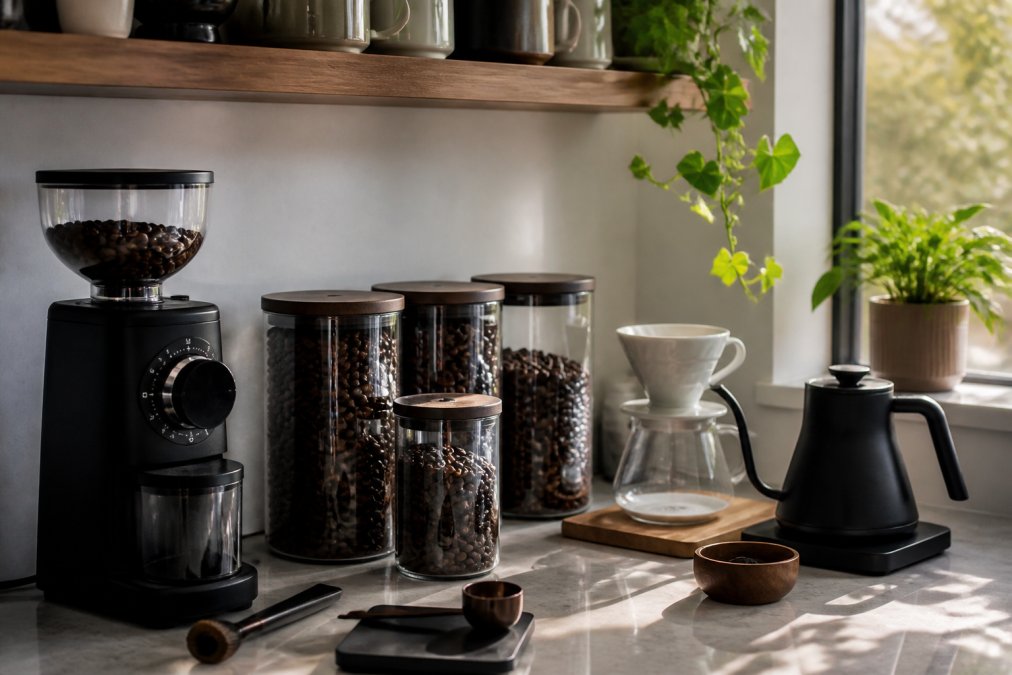
Proper storage is the difference between coffee that tastes vibrant and complex versus flat and stale. Fresh roasted beans are more delicate because they still contain volatile compounds that make the flavor distinctive.
The enemies of fresh coffee are oxygen, moisture, light, and heat. Oxygen causes oxidation, which breaks down the oils and compounds that give coffee its flavor. Moisture can cause mold or staleness. Light breaks down chlorogenic acids. Heat accelerates all three processes.
Store beans in an airtight container away from direct sunlight. Glass jars with airtight seals work well, but opaque containers are better because they block light. A dark cabinet or pantry is ideal. Room temperature (around 70°F) is fine; you don't need to refrigerate or freeze beans unless storing them for months.
Don't buy more than a month's supply at once. Coffee is freshest in the first two to three weeks after roasting. After four weeks, it's still drinkable but noticeably less vibrant. After six weeks, most people notice significant flavor decline.
Grind beans right before brewing. Pre-ground coffee loses flavor compounds within 15-30 minutes of grinding (peer-reviewed research). Whole beans stay fresher much longer.
If you won't use a shipment for a few weeks, freezing in an airtight container is acceptable for long-term storage (up to three months). Thaw it in the sealed container before opening to avoid condensation.
Subscription Flexibility, Pricing, and Value
Premium coffee subscription pricing ranges widely, and value depends on what you're comparing it to. Understanding cost-per-cup helps you evaluate whether a subscription is worth the premium.
Mistobox starts at $12.71 per 12oz bag plus $5 shipping, totaling roughly $17.71 per shipment, or about $1.50-$1.80 per cup. Driftaway Coffee starts at $14.40 per 8oz bag with free shipping, roughly $1.80-$2.25 per cup. Atlas Coffee Club offers the most budget-friendly entry at $9 for 6oz plus $4.95 shipping, or about $2.30-$2.75 per cup.
For comparison, specialty coffee from a local roaster typically costs $15-$20 per pound, or $0.95-$1.25 per cup brewed at home. Café coffee costs $4-$7 per cup. A premium subscription sits between local roaster prices and café prices.
The real value question is: what are you getting that justifies the premium? USM Coffee's roast-to-order model appeals to freshness prioritizers. Driftaway's sustainability focus appeals to values-driven buyers. Atlas Coffee Club's educational approach appeals to explorers. Mistobox's human expert personalization appeals to those seeking guidance.
Flexibility matters as much as price. Services that charge shipping per order effectively penalize frequent orders. Services with free shipping reward loyalty. Services that make pausing or skipping free and frictionless are worth more than those that hide controls or charge fees.
Most services offer pause or skip functionality, but implementation varies. Crema.co allows queue changes anytime. Some services require email requests or have waiting periods. Test the pause feature before committing; if you can't easily pause without losing your subscription, that's a red flag.
Most reputable services (Mistobox, Driftaway, Counter Culture, Angel's Cup, Crema.co, Partners Coffee) allow cancellation anytime without penalty. If a service requires minimum commitment or charges cancellation fees, avoid it.
| Service | Per-Bag Cost | Shipping | Best Value For | Cancellation |
|---|---|---|---|---|
| USM Coffee | Pricing depends on quantity, dates, and delivery | Fast delivery | Freshness priority | Anytime |
| Mistobox | $12.71 | $5/order | Personalization seekers | Anytime |
| Driftaway | $14.40+ | Free | Sustainability focus | Anytime |
| Atlas Coffee Club | $9 (6oz) | $4.95 | Budget explorers | Anytime |
| Counter Culture | Varies | Free over $30 | Ethical sourcing | Anytime |
| Crema.co | $15+ | Free | Full control | Anytime |
| Angel's Cup | $9.99 | $3/order | Palate development | Anytime |
| Partners Coffee | $20 | Free (sub) | Convenience + app | Anytime |
The best value isn't always the cheapest option. It's the service that aligns with your priorities, freshness, curation, sustainability, discovery, or convenience, and delivers on that promise without friction.
Choosing a premium coffee subscription comes down to matching your priorities with the service's strengths. If you value maximum freshness and simple ordering, USM Coffee delivers on all fronts. If you want personalization, Mistobox connects you with a human expert. If sustainability matters, Driftaway's carbon-neutral operations stand out. If discovery excites you, Atlas Coffee Club's world tour or Angel's Cup's blind tasting offer genuine exploration.
Start by identifying what matters most: freshness, curation, values alignment, discovery, or convenience. Then match that priority to the service that delivers it best. Most services let you pause or cancel without penalty, so trying a subscription for one or two months is low-risk. The goal is to find the service that makes you look forward to your next shipment.
=== FAQ ANSWERS (audit these too, same rules) ===
[1] Q: Is a premium coffee subscription actually worth the cost? A: Premium coffee subscriptions deliver roast-to-order freshness, specialty single-origin beans, and curated selections you cannot find in standard retail. The value depends on how much you drink and your brewing method. Regular drip coffee drinkers see noticeable flavor improvements. If you brew fewer than 2-3 cups weekly, a local roaster's walk-in option may be more economical. Most subscribers report the convenience and flavor justify the price within 2-3 months.
[2] Q: How do I choose the right roast profile for a coffee subscription? A: Light roasts preserve origin flavors and acidity, ideal for single-origin enthusiasts and filter brewing. Medium roasts balance origin character with roaster influence, suiting most drip coffee makers. Dark roasts deliver bold, rich body with lower acidity, better for espresso and those sensitive to acid reflux. Start by identifying your preferred brewing method, then sample each roast level. Many subscriptions offer roast flexibility, letting you switch monthly without commitment.
[3] Q: What are the benefits of a roast-to-order coffee subscription? A: Roast-to-order guarantees maximum freshness because beans are roasted immediately before shipment, preserving aromatic compounds and flavor complexity. Unlike pre-roasted retail coffee sitting on shelves for weeks, roast-to-order beans peak within 2-3 weeks of roasting. You experience noticeably brighter acidity, cleaner flavor notes, and richer body. This method also reduces waste since roasters produce only what subscribers order, supporting sustainability.
[4] Q: How often should I receive a coffee subscription delivery? A: Delivery frequency depends on consumption and storage capacity. A household brewing 1-2 cups daily typically needs delivery every 2-3 weeks. Home offices and remote workers may prefer weekly shipments for peak freshness. Most subscriptions offer flexible scheduling from weekly to monthly. Pause options let you skip months without penalty. Calculate your weekly consumption, then choose a frequency that keeps beans fresh without excess inventory.
Frequently Asked Questions
Is a premium coffee subscription actually worth the cost?
Premium coffee subscriptions deliver roast-to-order freshness, specialty single-origin beans, and curated selections you cannot find in standard retail. The value depends on how much you drink and your brewing method. Regular drip coffee drinkers see noticeable flavor improvements. If you brew fewer than 2-3 cups weekly, a local roaster's walk-in option may be more economical. Most subscribers report the convenience and flavor justify the price within 2-3 months.
How do I choose the right roast profile for a coffee subscription?
Light roasts preserve origin flavors and acidity, ideal for single-origin enthusiasts and filter brewing. Medium roasts balance origin character with roaster influence, suiting most drip coffee makers. Dark roasts deliver bold, rich body with lower acidity, better for espresso and those sensitive to acid reflux. Start by identifying your preferred brewing method, then sample each roast level. Many subscriptions offer roast flexibility, letting you switch monthly without commitment.
What are the benefits of a roast-to-order coffee subscription?
Roast-to-order guarantees maximum freshness because beans are roasted immediately before shipment, preserving aromatic compounds and flavor complexity. Unlike pre-roasted retail coffee sitting on shelves for weeks, roast-to-order beans peak within 2-3 weeks of roasting. You experience noticeably brighter acidity, cleaner flavor notes, and richer body. This method also reduces waste since roasters produce only what subscribers order, supporting sustainability.
How often should I receive a coffee subscription delivery?
Delivery frequency depends on consumption and storage capacity. A household brewing 1-2 cups daily typically needs delivery every 2-3 weeks. Home offices and remote workers may prefer weekly shipments for peak freshness. Most subscriptions offer flexible scheduling from weekly to monthly. Pause options let you skip months without penalty. Calculate your weekly consumption, then choose a frequency that keeps beans fresh without excess inventory.