

Is a Home Coffee Subscription Worth It? Honest Review
Table of Contents
- How to Know If a Coffee Subscription Fits Your Routine
- Coffee Subscription Cost Comparison: Subscription vs. Grocery Store
- Fresh Roasted Coffee Delivery Benefits: Why Roast Date Matters
- Best Dark Roast Coffee Subscription Options for Bold Flavor
- Customization, Shipping Frequency, and Cancellation Policies
- Waste, Packaging, and Subscription Fatigue: What Competitors Miss
- Frequently Asked Questions
Last Updated: September 16, 2026
How to Know If a Coffee Subscription Fits Your Routine
A home coffee subscription is a recurring delivery of freshly roasted beans on a schedule you choose. Whether it is worth it comes down to three variables: how much coffee you drink, how fast you finish a bag, and whether you value roast date over shelf convenience.
Start with an honest audit of your week. Most people estimate consumption from their best day rather than their average, so track it for seven days before committing.
Daily Volume and Brewing Habits
One 12-ounce mug of drip coffee uses roughly 0.75 to 1 ounce of ground coffee; espresso pulls less per shot but often gets consumed in pairs. A two-cup-a-day drip drinker burns through a 12-ounce bag in about two weeks; a single-cup drinker stretches it to a month.
Brewing method matters as much as volume. Drip machines are forgiving with pre-ground coffee, but pour-over, French press, and espresso reward a consistent grind, meaning whole bean ground at home. If you will not grind, specify pre-ground at checkout and accept a faster flavor decline.
Storage Capacity and Shelf-Life Management
Freshly roasted coffee degasses for several days, then loses aromatic compounds through oxidation. Whole bean holds flavor longer than pre-ground because less surface area is exposed to air. A sealed bag with a one-way degassing valve, stored in a cool dark cabinet, stays at its best for a few weeks after the roast date.
Freezing works if done right: portion beans into airtight containers, freeze, and grind straight from frozen without thawing. Refreezing introduces moisture and defeats the purpose.
- Note your roast date on every bag the day it arrives
- Store whole bean in an opaque, airtight container away from the stove
- Keep only a week's worth in the hopper or counter jar
- Freeze the surplus in single-session portions
- Match your shipping frequency to your realistic weekly consumption
Coffee Subscription Cost Comparison: Subscription vs. Grocery Store
A coffee subscription usually costs more per cup than grocery store pre-ground and less per cup than a daily coffee shop habit. You are paying for roast date, bean quality, and delivery convenience, not the lowest unit price.
Cost Per Cup Breakdown
Run the math on your own numbers:
Cost per cup = (bag price ÷ bag weight in ounces) ÷ dose per cup in ounces
| Purchase Path | Typical Unit Cost | Cost Per 12 oz Cup | Freshness Window | Convenience |
|---|---|---|---|---|
| Grocery store pre-ground | Lowest per ounce | ~$0.50-$0.75 | Weeks to months on shelf | Buy anytime, no commitment |
| Grocery store whole bean | Mid per ounce | ~$0.75-$1.00 | Unknown roast date | Buy anytime |
| Home coffee subscription | Higher per ounce | ~$1.00-$1.75 | Days from roast | Auto-delivery, cancel anytime |
| Coffee shop drip | Highest per cup | ~$3.00-$5.00 | Brewed same day | Zero effort |
| Espresso at home (subscription beans) | Mid per ounce, low dose | ~$0.60-$1.00 per shot | Days from roast | Grinder required |
The ROI Calculator: What Changes Your Break-Even
Three levers move your break-even point:
- Dose discipline. Scooping by eye instead of weighing may mean 1.2 ounces per cup instead of 0.75, raising your per-cup cost by roughly 60% and erasing the freshness premium you paid for.
- Waste rate. A bag you finish costs its full price per cup; a bag you toss half of costs double per cup. Subscriptions that outpace your drinking speed quietly double your effective price.
- Brew method. Espresso uses roughly 0.6-0.7 ounces per double shot but delivers a smaller drink, so per-ounce cost is high while per-serving cost stays low. Drip and French press use more coffee per serving but tolerate a coarser, cheaper grind.
The comparison only holds if you actually drink the coffee. A subscription that outpaces your consumption turns a value purchase into waste, which is why frequency settings matter more than headline pricing.
Fresh Roasted Coffee Delivery Benefits: Why Roast Date Matters
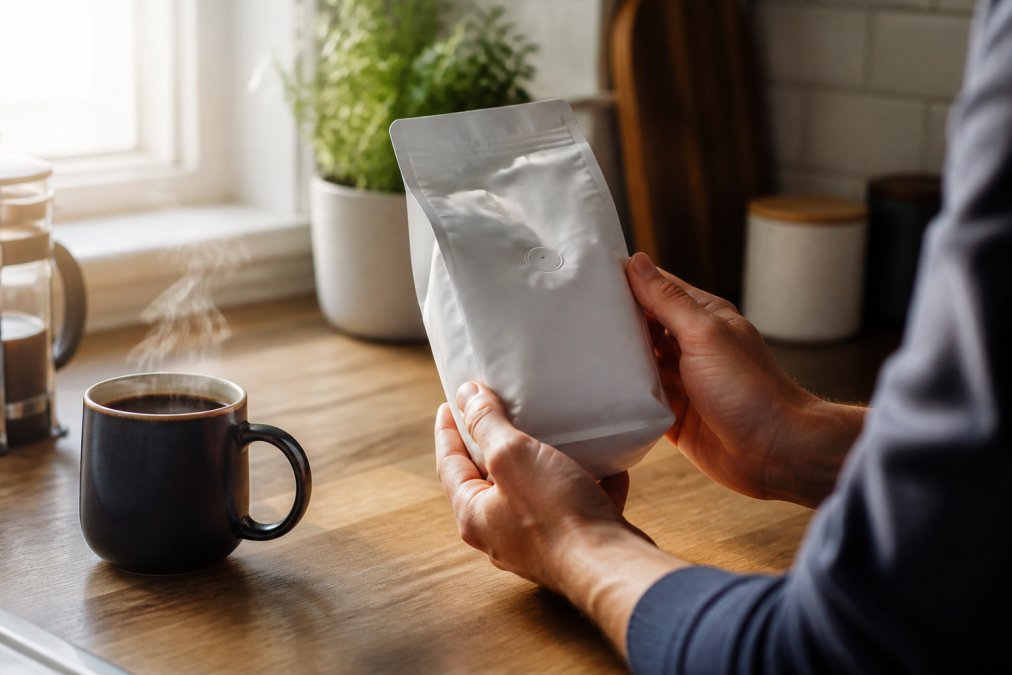
The biggest advantage of a subscription is a visible roast date. Fresh roasted coffee delivery benefits come down to timing: coffee tastes best in the window after roasting, and a subscription reliably lands inside it. Most grocery bags print a "best by" date, not a roast date.
Single Origin Favorites Sample Pack →
Best Dark Roast Coffee Subscription Options for Bold Flavor
If you want zero grinding and zero cleanup, the 60 Pack Single Serve Coffee Capsules at $59.99 deliver the same roast-to-order approach in a sealed capsule with no oxygen inside, so the coffee stays fresh without a grinder.

Customization, Shipping Frequency, and Cancellation Policies
Customization is where subscriptions earn or lose their keep. The settings that matter are grind preference, bag size, roast level, and delivery cadence. A service that locks you into one bag size and schedule will eventually mismatch your consumption, and that mismatch drives cancellations.
The Four Settings That Actually Matter
- Grind. Whole bean is the default for anyone with a grinder. If you order pre-ground, match the setting to your brewer (drip, pour-over, French press, espresso).
- Bag size. Common sizes run 12 ounces, 1 pound (16 ounces), and 2 pounds. Match the size to your measured weekly use, not the best per-ounce price; a 2-pound bag is a worse deal if you cannot finish it before flavor fades.
- Roast level. Most roasters let you pick light, medium, or dark, and some let you set a preference profile that filters future shipments. This determines whether you actually enjoy what arrives.
- Cadence. Weekly, biweekly, and monthly are standard, with some services offering every three or four weeks. This setting causes the most churn when it is wrong.
Cadence Math: Match the Schedule to the Bag, Not the Calendar
Delivery cadence should be calculated, not guessed:
Days between deliveries = (bag weight in ounces ÷ daily dose in ounces) ÷ cups per day
Skip, Pause, and Cancel: The Terms to Check Before You Sign Up
Subscription fatigue is a common reason people quit. Before entering a card number, check four things:
- Can you skip a single shipment from your account page? Skipping is the pressure valve. If the only options are 'receive' or 'cancel,' you will accumulate bags.
- Can you pause instead of cancel? Pausing preserves your account, preferences, and any loyalty pricing; canceling and re-subscribing often resets both.
- Is there a minimum commitment or a cancellation fee? Some services require a set number of shipments before you can cancel, or charge for early termination. Read the terms page, not the marketing page.
- Can you cancel online, or does it require a phone call or email? Online cancellation is a common option.
Inventory Management: The Habit That Prevents Fatigue
A trial period or sample pack is the lowest-risk way to test a roaster before recurring billing. Order once, measure how long the coffee lasts, then set cadence from that number rather than the checkout page default.

Waste, Packaging, and Subscription Fatigue: What Competitors Miss
Packaging waste is real but manageable. Bags with a degassing valve usually are not curbside recyclable because of the mixed-material liner, and smaller bags reduce stale coffee but increase packaging per ounce. The compromise: order the largest bag you will finish inside its freshness window, not the largest available.
Frequently Asked Questions
Is it worth getting a coffee subscription?
It depends on your daily consumption and priorities. If you drink at least one cup per day and value freshly roasted beans, a coffee subscription can be worth it. You get consistent delivery, access to single-origin options, and roast dates typically within days of shipping. The convenience factor and quality often outweigh the cost for regular drinkers.
Are coffee subscriptions cheaper than buying at the store?
Not always on a per-bag basis. Grocery store beans often cost less upfront, but they may sit on shelves for months. A coffee subscription cost comparison should factor in freshness, shipping frequency, and cost per cup. When you calculate cost per cup, subscriptions can be a good option for those who prioritize flavor and minimize waste.
How do I choose the right coffee subscription for my brewing style?
Match grind size to your brewing method. If you use a drip maker, choose pre-ground or whole bean with a medium grind. For espresso, select a fine grind or whole bean you grind yourself. Consider roast profile too: dark roasts work well for espresso and drip, while medium roasts suit pour-over. Sample packs let you test before committing.
What is the 15-15-15 coffee rule?
The 15-15-15 rule is a brewing guideline: use 15 grams of coffee, 15 grams of water per ounce, and brew for 15 seconds per ounce. It is a simple way to remember ratios for consistent flavor. While not a subscription feature, it can help standardize your brewing method.
Do coffee subscriptions offer better quality than supermarket beans?
Coffee subscriptions ship within days of roasting, preserving flavor profile and aroma. If bean quality matters to you, a subscription can offer a fresh experience.