

What Type of Coffee Is the Healthiest?
Table of Contents
- Black Coffee Delivers Maximum Antioxidants
- Benefits of Organic Coffee and Pesticide Exposure
- How Roast Level Affects Antioxidant Content
- Coffee Brewing Methods and Health Outcomes
- How to Make Coffee Healthier: Practical Steps
- Decaf vs. Regular Coffee: Which Is Healthier?
- Freshness and Bean Quality Matter Most
- Frequently Asked Questions
Last Updated: September 30, 2026
Black Coffee Delivers Maximum Antioxidants
Black coffee is the healthiest type of coffee because it contains the highest concentration of antioxidants without added ingredients that dilute those benefits. When you drink coffee black, you're getting the full spectrum of polyphenols, chlorogenic acid, and other protective compounds that coffee beans naturally contain.
Antioxidant content varies by roast level: light and medium roasts retain more chlorogenic acid, while darker roasts develop different profiles through the Maillard reaction. These compounds neutralize free radicals and support cellular health.
What makes black coffee stand out is its simplicity. No milk, cream, or sweeteners means no added calories or substances that interfere with how your body processes coffee's beneficial compounds. This is especially important if you're looking for coffee's metabolic and anti-inflammatory effects.
Benefits of Organic Coffee and Pesticide Exposure
Organic coffee eliminates synthetic pesticides, herbicides, fungicides, and insecticides that can accumulate in your body with regular consumption.
Conventional farming uses pesticides to manage pests and disease; organic certification requires third-party verification and removes this variable entirely.
Organic coffee eliminates synthetic residues, allowing your body to focus on absorbing beneficial compounds, particularly important for sensitive digestive systems or those concerned about long-term pesticide accumulation.
Fair-trade certification often accompanies organic coffee, providing transparency about farming practices and origin.
How Roast Level Affects Antioxidant Content
The roasting process fundamentally changes coffee's chemical composition and antioxidant profile. Light roasts retain higher levels of chlorogenic acid, a powerful antioxidant that's partially broken down during roasting. Medium roasts balance chlorogenic acid with other beneficial compounds that develop during the roasting process. Dark roasts contain less chlorogenic acid but develop additional polyphenols and other antioxidants through the Maillard reaction, the chemical process that creates roasted coffee's color and flavor.
No single roast level is "best", choose based on priorities: light roasts maximize chlorogenic acid; medium and dark roasts offer broader antioxidant spectra with better digestive compatibility.
Darker roasts are easier on sensitive stomachs despite containing fewer certain antioxidants, a worthwhile trade-off if acid reflux or digestive discomfort prevents you from enjoying coffee.
Beans roasted too quickly or at inconsistent temperatures lose antioxidant potency. Specialty roasters that roast to order deliver superior antioxidant content compared to mass-produced coffee aged in warehouses.
Coffee Brewing Methods and Health Outcomes
Brewing method directly impacts which compounds reach your cup. The most significant health difference is filtration's removal of diterpenes (cafestol and kahweol), which raise LDL cholesterol.
Filtered vs. Unfiltered Brewing
Paper filters remove ~99% of diterpenes; unfiltered coffee increases LDL cholesterol by 10-15 mg/dL in regular drinkers. French press, Turkish coffee, and espresso retain these compounds. For cardiovascular concerns, paper-filtered coffee is measurably healthier. Metal mesh filters remove only ~10%.
Drip, pour-over, and AeroPress with paper filters deliver cholesterol protection. Unfiltered methods require accepting diterpene content if cholesterol levels are normal and family history is clear.
Water Temperature and Antioxidant Extraction
Optimal water temperature is 195-205°F (90-96°C). Below 190°F under-extracts antioxidants; above 210°F degrades them. Drip makers maintain this automatically; pour-overs require a thermometer.
Brewing Time and Compound Concentration
Drip brewing (4-6 minutes) fully extracts antioxidants without over-extraction. French press (4 minutes) is optimal; longer steeping pulls excess tannins. Espresso (25-30 seconds) concentrates antioxidants in 1-2 ounces, ideal for calorie-conscious drinkers.
Cold brew (12-24 hours) extracts antioxidants without heat, reducing acidity by 60-70%, ideal for acid reflux or GERD. Trade-off: longer prep time and slightly lower caffeine per ounce.
Mycotoxin and Mold Concerns in Coffee
Mycotoxin contamination (aflatoxins and ochratoxin A) can develop during growth, harvest, or storage. The FDA monitors imports but sets no specific limits for coffee.
If drinking 4+ cups daily, choose roasters who publicly disclose testing. Organic certification doesn't guarantee mycotoxin testing.
Store coffee in airtight containers in cool, dry conditions to prevent mold growth.
Coffee with Mushrooms Medium Roast →
How to Make Coffee Healthier: Practical Steps
Buy beans roasted within two weeks and store in airtight containers away from light and heat. Roast date directly impacts antioxidant content.
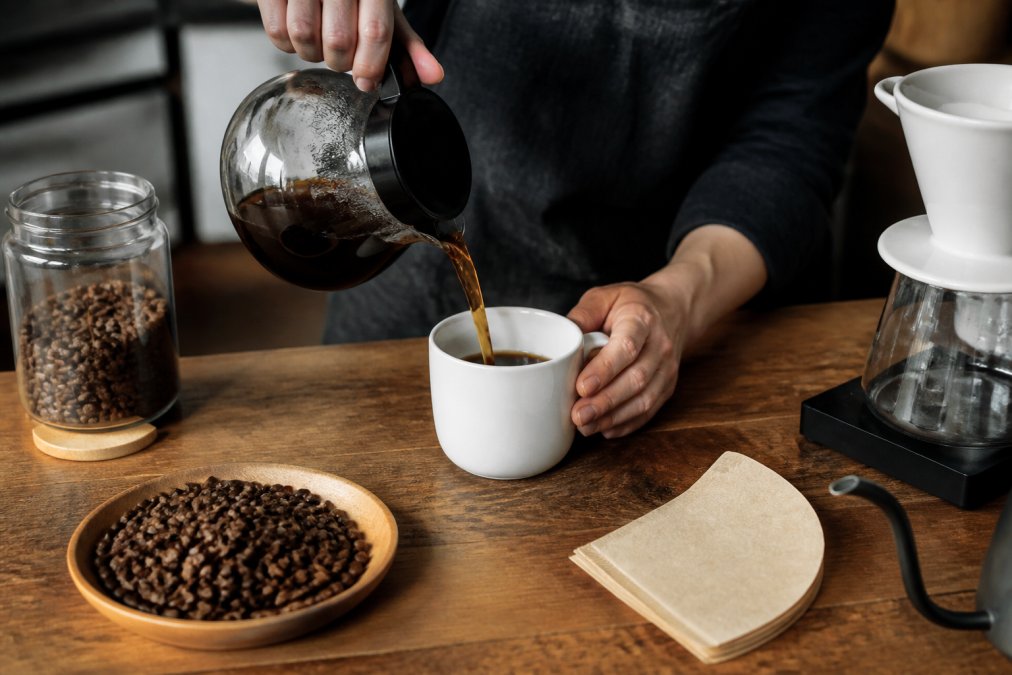
Use filtered water to remove chlorine and chemicals that interfere with flavor and antioxidants.
Grind immediately before brewing. Ground coffee oxidizes rapidly, losing antioxidants and volatile compounds that contribute to flavor and health benefits. Whole beans stay fresh for weeks; ground coffee starts degrading within hours.
Choose a brewing method that matches your health priorities. If you're concerned about cholesterol, use a paper filter. If you have a sensitive stomach, try cold brew or a medium roast with filtered brewing. If you want maximum antioxidant density, use a shorter brewing time with slightly hotter water.
Drink it black or with minimal additions. Each addition, milk, cream, sugar, flavored syrups, dilutes the concentration of beneficial compounds. If you need flavor, try adding a small amount of cinnamon, which has its own antioxidant properties, or a splash of unsweetened almond milk.
Timing matters for metabolism. Drinking coffee in the morning or early afternoon supports natural caffeine sensitivity and allows your body to process it efficiently. Late-day coffee can interfere with sleep quality, which undermines other health benefits.
Decaf vs. Regular Coffee: Which Is Healthier?
Regular coffee contains caffeine, which provides metabolic benefits and mental clarity that decaf cannot replicate. Caffeine increases fat oxidation, improves focus, and supports alertness. For most people, these benefits make regular coffee the healthier choice.
However, decaf retains most of coffee's antioxidants, including chlorogenic acid and polyphenols. The decaffeination process removes caffeine but leaves the majority of beneficial compounds intact. For people sensitive to caffeine, prone to anxiety, or who drink coffee late in the day, decaf offers antioxidant benefits without the stimulant effects.
The decaffeination method matters. The Swiss Water Process removes caffeine while preserving more antioxidants compared to solvent-based methods. Our Peru Decaf uses the Swiss Water Process, ensuring you get antioxidant-rich coffee without caffeine-related side effects.
Decaf is particularly valuable for people with certain health conditions. Those with high blood pressure, heart arrhythmias, or caffeine sensitivity can enjoy coffee's anti-inflammatory and antioxidant benefits without triggering symptoms. Pregnant individuals who need to limit caffeine can still access coffee's health compounds through quality decaf options.

The practical consideration is consistency. If caffeine prevents you from drinking coffee regularly due to side effects, decaf becomes the healthier choice because you'll actually consume it. A decaf coffee you drink daily delivers more cumulative antioxidant benefits than regular coffee you avoid due to jitteriness or sleep disruption.
| Coffee Type | Caffeine Content | Antioxidant Level | Best For |
|---|---|---|---|
| Regular (Light Roast) | High | Very High | Maximum antioxidants and metabolism support |
| Regular (Medium Roast) | High | High | Balanced antioxidants with better digestibility |
| Regular (Dark Roast) | High | Moderate-High | Sensitive stomachs, bold flavor preference |
| Decaf (Swiss Water) | Minimal | High | Caffeine sensitivity, evening drinking |
| Instant Coffee | Variable | Moderate | Convenience, quick preparation |
Freshness and Bean Quality Matter Most
The single most important factor in coffee's health value is freshness. Antioxidants degrade over time, especially after roasting. Coffee that's been sitting in a warehouse for months has lost a significant portion of its beneficial compounds, regardless of the bean origin or roast level.
Antioxidant Degradation Timeline
Chlorogenic acid, coffee's primary antioxidant, begins degrading immediately after roasting. Within the first week, freshly roasted coffee retains approximately 95% of its chlorogenic acid content. By week two, this drops to 85-90%. By week four, it falls to 70-75%. Coffee that's been sitting for 3-6 months (typical for grocery store coffee) retains only 40-50% of its original chlorogenic acid content. At six months or longer, antioxidant levels can drop below 30% of peak values.
This degradation accelerates with exposure to oxygen, light, and temperature fluctuations. Whole beans degrade more slowly than ground coffee because grinding exponentially increases surface area exposed to oxygen.
Bean Quality and Antioxidant Density
Storage Science After Purchase
Roast-to-Order vs. Warehouse Coffee
Combining Quality and Freshness
Frequently Asked Questions
Is organic coffee actually better for your health than conventional coffee?
Organic coffee eliminates synthetic pesticide residues, which is a meaningful advantage for daily drinkers. Conventional coffee ranks among crops with the highest pesticide use. Organic beans undergo stricter testing for mold and mycotoxins in many cases, though both types can contain trace amounts. The health difference becomes more significant if you drink multiple cups daily. Freshness matters equally, a fresh-roasted organic bean outperforms a stale organic bean stored for months.
Does the brewing method actually change coffee's health benefits?
Yes, significantly. Paper filters remove diterpenes (cafestol and kahweol), compounds that raise LDL cholesterol. Unfiltered methods like French press or Turkish coffee leave these in your cup. Paper-filtered drip coffee and pour-over methods reduce diterpene content by 90 percent. Espresso's high pressure extracts more polyphenols and antioxidants per ounce, making it concentrated in beneficial compounds. Water temperature and brew time also affect chlorogenic acid extraction, the primary antioxidant in coffee.
What roast level has the most antioxidants?
Light and medium roasts retain more chlorogenic acid and polyphenols than dark roasts, which lose some antioxidant compounds during extended roasting. However, the difference is modest, dark roasts still contain substantial antioxidant content. The roasting process creates new beneficial compounds that light roasts lack. For maximum antioxidant intake, choose a medium roast from fresh beans roasted within the past two weeks, then brew with a paper filter.
Can coffee help with weight management?
Black coffee contains caffeine and chlorogenic acid, both linked to modest increases in metabolic rate and fat oxidation. Studies show caffeine can increase metabolic rate by 3-11 percent. Adding milk, cream, or sweeteners eliminates most of this benefit by introducing calories and sugar. The effect is small, coffee alone won't cause weight loss, but it supports a calorie deficit when combined with exercise and proper nutrition. Consistency matters more than the type of coffee.